What's the Difference Between the Douro Valley and Vinho Verde?
Different regions, different climates, different grapes, different wine. One makes fortified port, the other makes light whites you drink young and cold.
Booking Choice: Choose Vinho Verde for a private wine day north of Porto, or the Douro for terraced vineyards. Both are full-day outings; the Vinho Verde option takes eight to nine hours. Explore Private Vinho Verde Wine Day
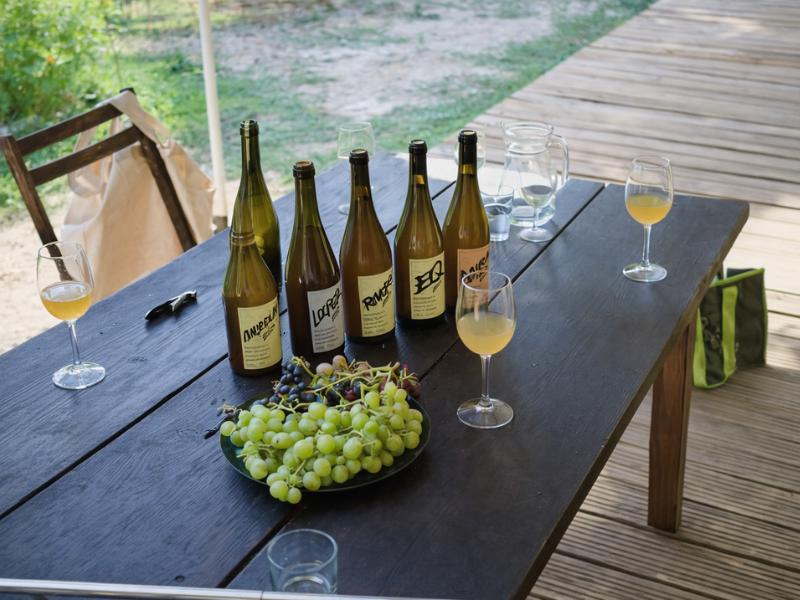
They are two separate Portuguese wine regions on opposite sides of Porto, and they make nothing alike. The Douro Valley runs inland to the east, terraced and hot, and it produces port along with unfortified Douro table wine. Vinho Verde is its own demarcated region in the Minho, north of Porto, green and Atlantic, and it produces young, light, often slightly effervescent whites that are not fortified at all.
The Douro Valley is the demarcated region east of Porto that produces fortified port at 19 to 22 percent alcohol, plus dry Douro table wines. Vinho Verde is a separate region in the Minho, north of Porto, making young, light, generally lower-alcohol whites with a natural slight spritz. Different climate, different grapes, different process, and no fortification in Vinho Verde.
For an in-person introduction: Explore Private Vinho Verde Wine Day
Two regions, two climates
Geography sets everything else. The Douro sits inland, sheltered from Atlantic weather by mountain ranges, which gives it hot dry summers and cold winters. Its soil is schist, and its vineyards are cut into terraces on slopes above the river. That heat and that rock are what let grapes reach the sugar levels port needs.
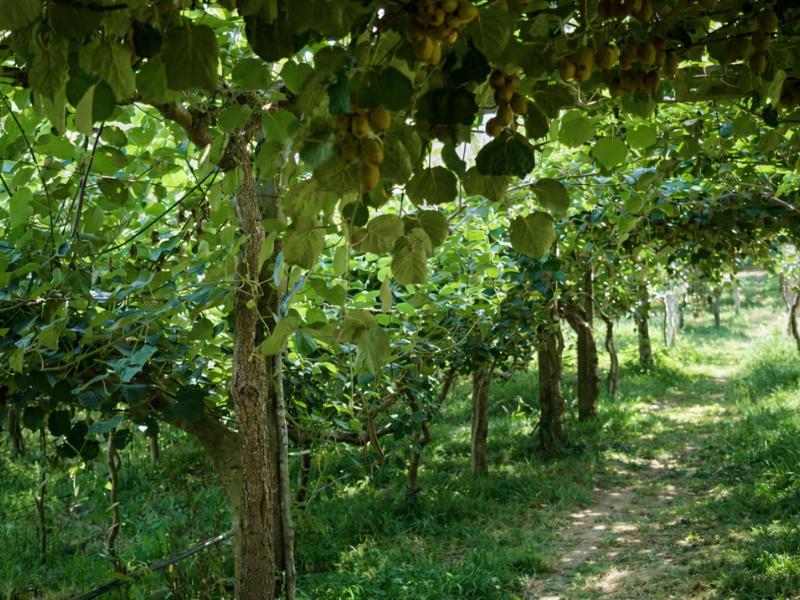
The Minho, where Vinho Verde is made, is the opposite. It is the wettest, greenest corner of Portugal, cooled and dampened by the Atlantic, with granite soils and vines that historically grew high off the ground to keep fruit away from moisture. Grapes there ripen with more acidity and less sugar, which is exactly what a fresh white wine wants.
The grape varieties follow suit. The Douro works with Touriga Nacional, Touriga Franca, Tinta Roriz and their relatives. Vinho Verde leans on white varieties such as Alvarinho and Loureiro, which is why the two regions taste like they come from different countries.
What does "vinho verde" actually mean?
Green as in young, not green in colour. The name refers to wine drunk soon after it is made rather than aged, and it is the name of a demarcated region first and a style second. Most of what gets exported is white, though reds and roses are made there too and are worth trying locally, since they rarely travel far beyond the Minho.
That regional definition matters at the shelf. A bottle labelled Vinho Verde tells you where the grapes were grown, not that the wine inside will be light and faintly fizzy, and the serious single-variety Alvarinho bottlings from the region can be fuller and drier than the cheap supermarket version most people meet first.
The gentle fizz people notice is a small amount of carbon dioxide present at bottling. It is a light natural prickle rather than sparkling wine, and it lifts the acidity. Alcohol generally sits lower than Douro table wine, which is a large part of why Vinho Verde works as a hot-afternoon wine.
No spirit is added at any stage, which is the fundamental split from port. Fermentation runs its course, the wine goes into bottle young, and it is meant to be drunk within a year or two rather than cellared. Port is the mirror image: fermentation stopped early with grape spirit, leaving both sugar and a much higher alcohol level, then in the aged styles years or decades of deliberate maturation before it is sold at all.
The way each is served reflects that. Vinho Verde comes out cold, in a normal wine glass, alongside grilled sardines, seafood or a hot afternoon. Port comes out in a small glass, at the end of a meal, with cheese or chocolate. One is a refreshment, the other a conclusion.
How different are they in the glass?
| Douro Valley | Vinho Verde | |
|---|---|---|
| Where | Inland, east of Porto, along the Douro River | Minho, north of Porto |
| Landscape | Terraced schist slopes, hot and dry | Green, rainy, granite country |
| Signature wine | Port, plus dry Douro table wine | Young light whites, often lightly spritzy |
| Fortified? | Port yes, Douro table wine no | No |
| Typical strength | 19 to 22 percent for port | Generally lower than Douro table wine |
| How it is drunk | Small glass, after dinner or with cheese | Cold, young, with seafood or on a terrace |
Which one should you visit?
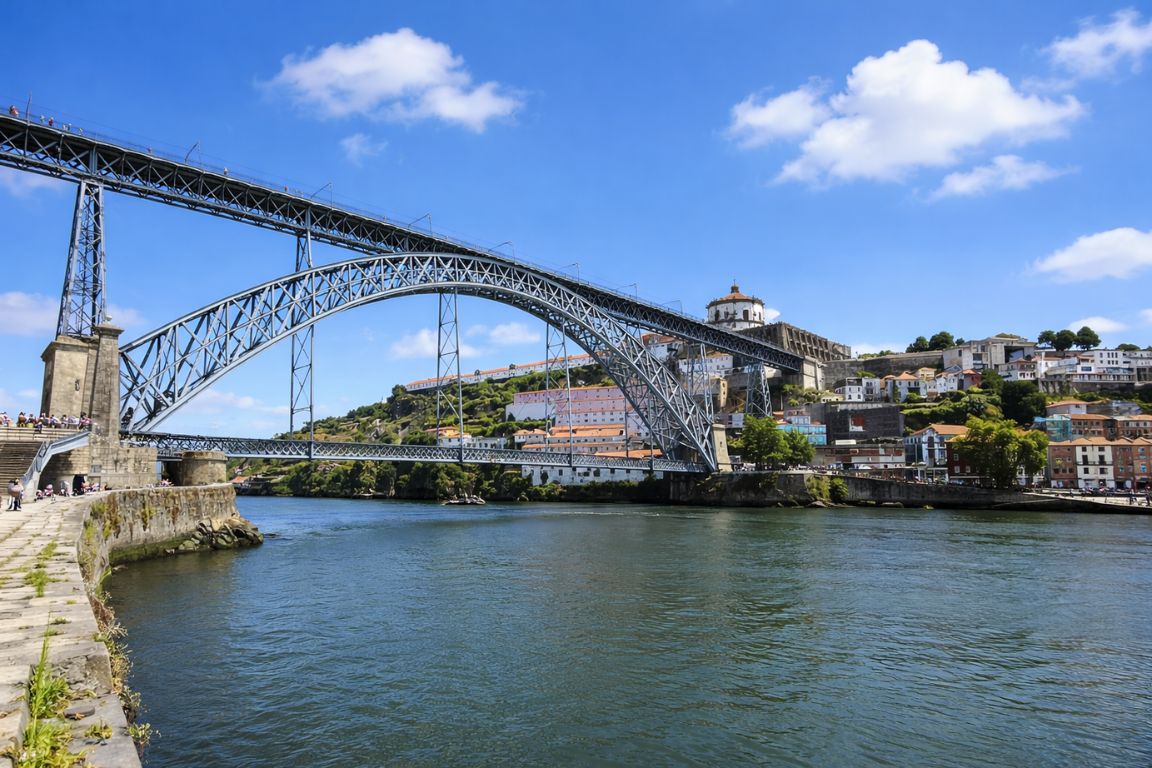
If you have one day for wine and it is your first trip, take the Douro. The terraced landscape is the reason the region is on the UNESCO list, and the port story only makes sense once you have seen the slopes. It is a long day out of Porto, roughly nine to ten hours, but it is the headline experience.
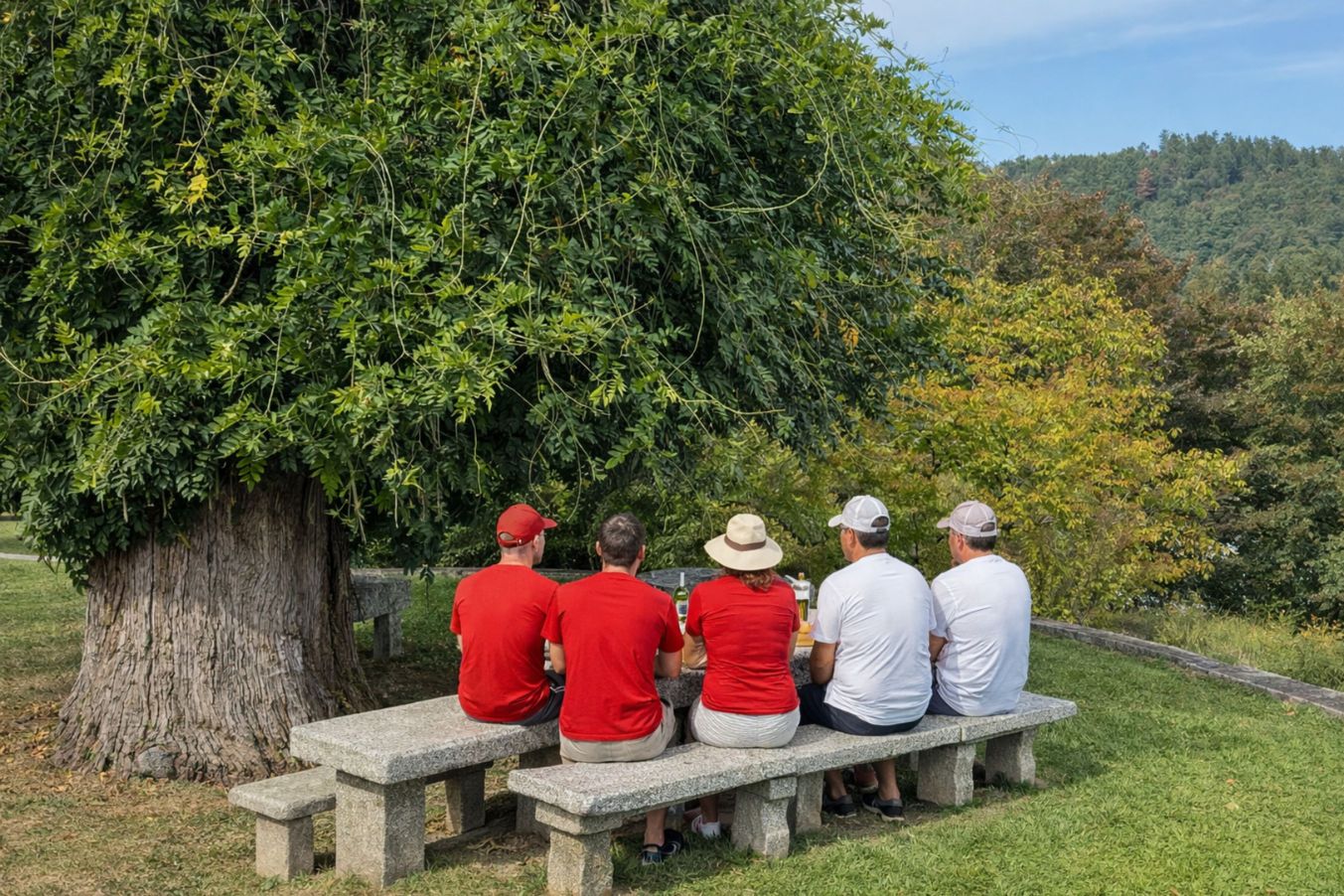
Vinho Verde suits a second wine outing, or a shorter one. Tours run north of the city and take around four hours rather than a full day, which leaves your morning or evening intact. They also tend to be small, hands-on visits to organic producers where you talk to the winemaker directly and eat while you taste. Expect roughly $260 to $303 for those experiences, which reflects the small group size and the food rather than a longer itinerary.
The two visits feel different in kind, not just in length. A Douro day is a landscape day: long views, terraces, a river, a lot of road. A Vinho Verde afternoon is a conversation on a working farm, closer to the ground, with fewer people and more time to ask questions. Neither substitutes for the other.
Doing both across a week is the version we would book: a full day upriver early in the trip, then a relaxed Vinho Verde afternoon later on. The contrast between a 20 percent tawny and a chilled Alvarinho does more to explain northern Portuguese wine than either would alone. It also fixes the most common mistake visitors make, which is assuming that everything poured near Porto is some version of port.
See how this stacks up against the rest of the Porto and Douro wine tours on offer.