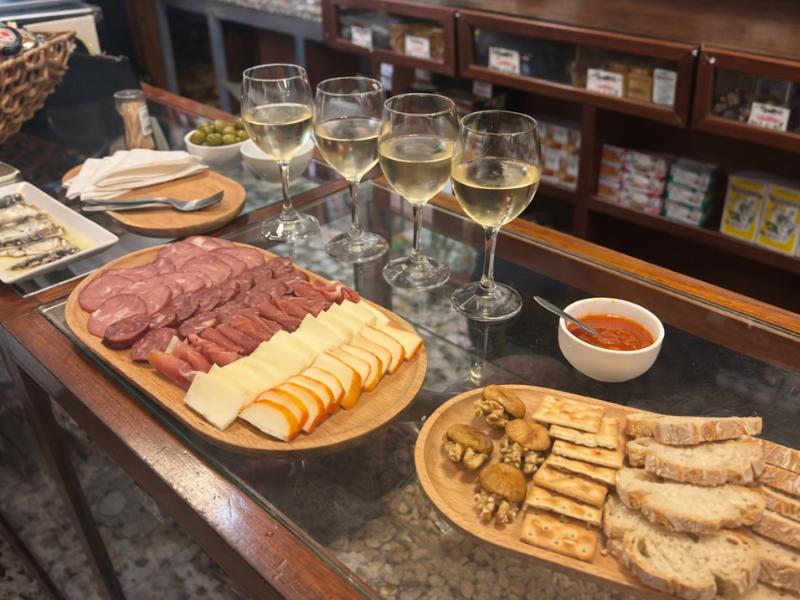
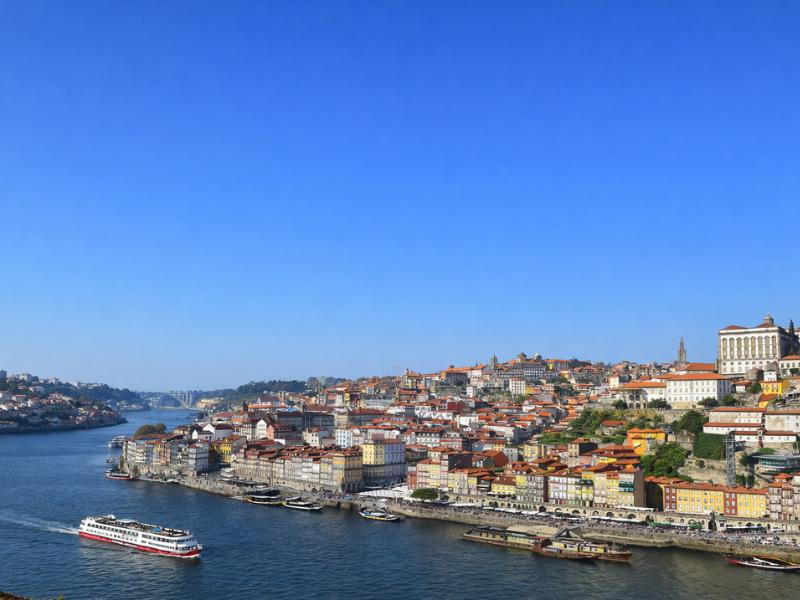
How to Plan a Wine Trip to Porto
Porto is the perfect base for a wine trip - Port cellars in Gaia, Douro Valley nearby, and Vinho Verde north. Plan 3 days and book tastings early.
Booking Choice: Anchor the itinerary with your longest wine day. A Douro departure uses a full day from Porto; Taylor’s is a city cellar stop, and Quinta da Foz works for an independent Pinhão visit. Explore Douro Wine, Lunch And River Cruise
Last updated: April 12, 2026
At A Glance: Build the trip around a Gaia cellar visit and, if time allows, a separate Douro day. Keep travel time and winery appointments in the same plan. Explore Douro Wine, Lunch And River Cruise
Quick Summary Porto is the natural starting point for any Portuguese wine trip. The famous Port wine cellars are a short walk across the Douro in Vila Nova de Gaia, the Douro Valley is 90 minutes by car, and the Vinho Verde region is just north. Plan at least 3 full days. Book cellar tours in advance, especially in summer. Spring and harvest season (mid-September to October) are the best times to go. A mid-range wine-focused trip costs roughly €120 to €180 per person per day, all in.Porto Wine Trip: Quick Facts
| Main wine destination | Vila Nova de Gaia (Port cellars) + Douro Valley (quintas) |
| Recommended trip length | 3 to 5 days minimum |
| Best months | April to June, September to October |
| Harvest season | Mid-September to mid-October |
| Cellar tour price range | €14 to €45 (standard); €80 to €160+ (premium/masterclass) |
| Douro Valley day tour (guided) | €89 to €120 per person, lunch and cruise included |
| Train Porto to Pinhao | ~2h 25min from Sao Bento; ~€10 to €20 return |
| Mid-range daily budget | €120 to €180 per person (accommodation, food, tastings) |
| Currency | Euro (€). Cards widely accepted; carry some cash for tascas |
| Prices verified | March 27, 2025 |
What Makes Porto the Right Base for a Wine Trip?
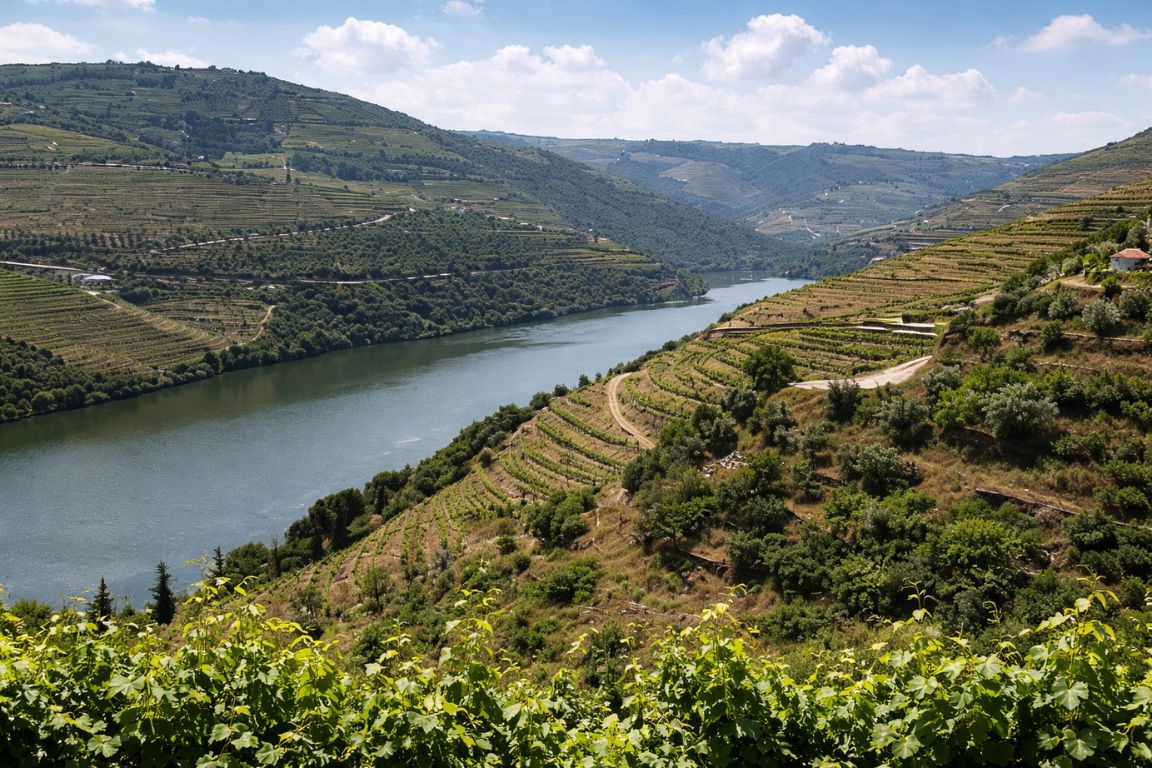 Porto sits at the mouth of the Douro River, which makes it both the historic home of Port wine and the natural gateway to the vineyards that produce it. The famous wine cellars are a five-minute walk across the bridge in Vila Nova de Gaia. The Douro Valley, where all Port grapes actually grow, is 90 minutes away by car. No other base gives you this much access to this much wine country.
There is a small piece of geography that confuses visitors every single time. The cellars in Gaia are not in Porto. They are across the Douro River, in a separate city called Vila Nova de Gaia. This matters because travelers sometimes assume they can wander out of their hotel and walk into a cellar. You can, almost. Cross the Dom Luis I Bridge on foot, walk five minutes downhill on the Gaia side, and you are surrounded by red-roofed lodge buildings. The logistics are easy. The distinction is just worth knowing so nothing catches you off guard.
Beyond the geography, Porto earns its role as a wine base for one simple reason: it is genuinely enjoyable between tastings. The Ribeira district, the bookshops, the food scene that most travelers underestimate, the views from Jardim do Morro at the end of a long afternoon. Staying in Porto means you can drink well at the cellars and still have a city to come back to. The alternative is basing yourself in the Douro Valley, which is extraordinary but remote. Porto gives you both worlds.
The wine story here is also more layered than most people realize before they arrive. Port wine is what Porto is famous for, but the Douro Valley produces table wines that are increasingly drawing serious attention internationally. Unfortified Douro reds made from Touriga Nacional and Touriga Franca are sold at local quintas for prices that would make any Bordeaux buyer’s eye twitch. And just north of Porto, the Vinho Verde region makes some of the freshest, most food-friendly white wines in Europe. A well-planned trip can cover all three without stretching your days too thin.
If you want someone else to handle the routing between all of this, the Douro Valley full-day experience puts historic sites, wine, lunch, and a cruise on one itinerary. We’ve done this with over 8,700 people. We know which combinations work.
When Is the Best Time to Visit Porto for Wine?
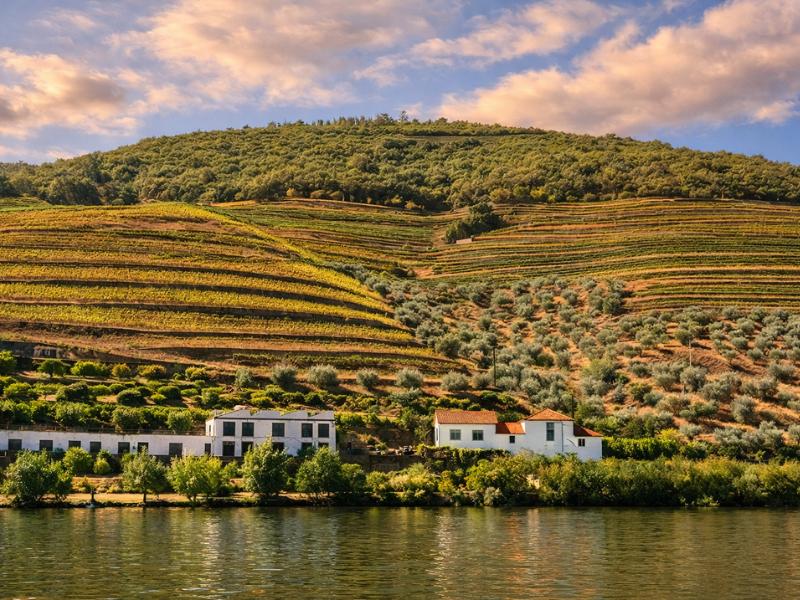
April through June and September through October are the best months for a Porto wine trip. Spring offers mild weather, green vineyards, and shorter queues. September and October bring the harvest, when the Douro Valley is at its most alive and some quintas open their doors for grape treading and fresh tastings. July and August work, but the valley runs hot and the cellars get crowded.
The harvest season is what wine travelers talk about afterward. From mid-September to mid-October, the Douro Valley transforms. Workers move through the terraced vineyards, the smell of freshly crushed grape hangs over the estates, and quintas that normally run polished tours become working production sites. Some of them invite guests to step into stone lagares and stomp grapes alongside the harvest crew. It is one of those experiences that sounds like a tourist gimmick until you are knee-deep in must, and then it feels like the most real thing you have done on any trip anywhere.
The tradeoff is availability. September and October are the most booked months of the year. Hotels charge peak rates, the better tour operators fill up fast, and the quintas running harvest experiences sell out weeks in advance. Book everything at least a month ahead if you are coming during vindima. Two months ahead is safer.
Spring, particularly April and May, is what we recommend to travelers who want quality without the pressure. The vines are leafing out, the weather is warm without being punishing, and the Douro is not running at full tourist capacity. Accommodation prices are lower. A good guide will have more time for your group. November is quietly excellent too. The harvest is finished, the crowds have left, and the cellars are stocked with wines that have just completed a full year of production.
One timing note that most articles skip: the valley runs significantly hotter than Porto. In July and August, temperatures in the upper Douro regularly push past 40°C, which is uncomfortably warm for a day of wine tasting. Porto itself stays coastal and mild, but plan your Douro Valley excursion for early morning departure if you are going in high summer.
Wondering when to go? Check out the best time to visit Porto wine tours – certain months give you harvest activity in the valley while others mean dealing with summer crowds at every tasting room.
Which Wine Regions Can You Reach from Porto?
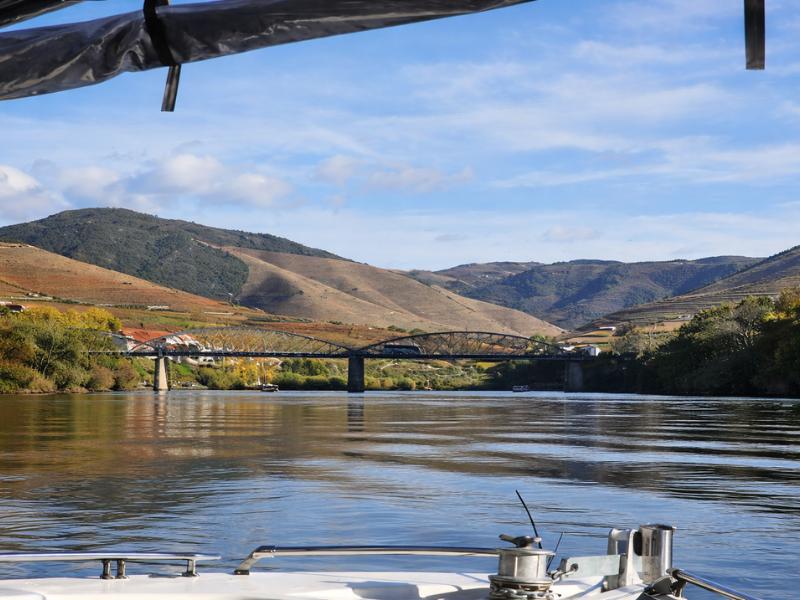
Three distinct wine regions are easily accessible from Porto. Vila Nova de Gaia has the Port wine cellars, just across the Douro River. The Douro Valley, a UNESCO World Heritage wine region, is 90 minutes by car or 2.5 hours by train. Vinho Verde country starts just 30 minutes north. A five-day trip from Porto can reasonably cover all three, or you can focus on one region deeply.
Most travelers arriving in Porto for wine think in terms of a single destination. They will do the cellars in Gaia and maybe a Douro Valley day trip. That covers a lot. But the wider picture is worth understanding, especially if you have more than three days.
| Vila Nova de Gaia | 5 min walk across bridge | Port wine cellars and aged Tawny tastings | Year-round |
| Douro Valley (Baixo Corgo / Cima Corgo) | 90 min by car; 2h 25min by train to Pinhao | Quinta visits, unfortified Douro wines, harvest experiences | April to June, September to October |
| Vinho Verde | 30 to 45 min north of Porto | Fresh whites, sparkling Alvarinho, estate lunches | April to September |
| Douro Superior (further inland) | 3+ hours by car | Remote quintas, intense late-harvest reds, authentic off-grid feel | October (harvest extends latest here) |
Pinhao is the hub most Douro day-trippers use. It sits in the heart of Cima Corgo, surrounded by some of the most photographed terraced vineyards in Portugal, and enough quintas are within walking distance or a short taxi ride from the train station to fill a day. The town itself is tiny, which is partly the point. It has a famous azulejo-tiled train station, a handful of good restaurants, and a calm that the valley further toward Porto tends to lose on weekends.
One thing worth knowing if you are curious about Vinho Verde: the wines you see labeled Vinho Verde in export markets are almost always the light, slightly fizzy white that supermarkets sell. At the source in Minho, you will find wines that are nothing like that. Alvarinho from Monção and Melgaço is structured and aromatic enough to stand alongside serious white Burgundy. Worth a half-day trip north if you are here for more than three days.
Need the full breakdown? Our Porto wine tourism guide walks you through Port wine basics, the Gaia cellar district, premium versus standard tastings, and Douro Valley day trips.
What Types of Wine Tours Are Available in Porto?
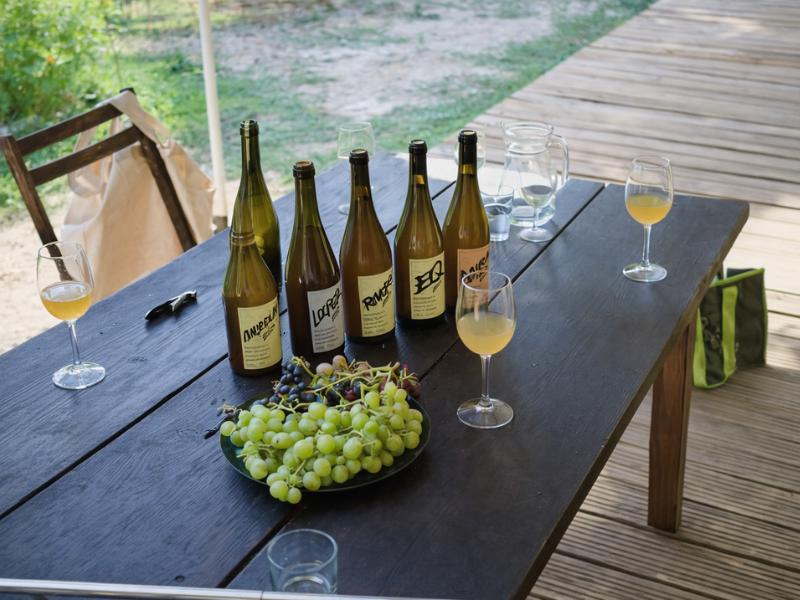
Porto offers four main types of wine experience: self-guided cellar visits in Vila Nova de Gaia (€14 to €45), guided group tours that combine cellars with a Douro Valley day trip (€89 to €120), private guided tours with smaller groups and tailored quinta selection (€150 to €250 per person), and multi-day wine travel packages including accommodation at valley quintas (€750 and up per person). Each suits a different traveler.
The cellar visit is the entry point for most travelers. You cross the bridge, find a lodge that interests you, book a tour, and spend 45 minutes to an hour walking through cool, barrel-heavy rooms while a guide explains the difference between Ruby and Tawny Port. It ends in a tasting. This is the correct first experience if you are new to Port wine.
The Douro Valley day tour is what converts people who come thinking Port wine is a niche interest into people who are already planning their return trip. You leave Porto early, drive into the valley through terraced vineyards, visit two or three quintas, have a long lunch somewhere with a view, and do a river cruise before heading back. At €89 to €120 per person including transport, tastings, lunch, and the cruise, these tours represent excellent value. The main difference between a good version and a mediocre one is whether the quintas are actually working family estates or tourist-facing operations that see 400 people a day.
Private tours exist in a different category. With a private guide and vehicle, you can reach remote quintas that group tours cannot access, adjust the pace entirely to your own preferences, and spend the afternoon at a single estate if the wines warrant it. For serious wine travelers or small groups of four or more, the cost per person on a private tour is often not dramatically different from a well-priced group option. Ask before assuming.
We’ve covered Porto wine tours for couples in detail so you know which cellars do private tastings, what Douro Valley experiences work for romance, and how to plan wine activities that feel special instead of generic.
Recommended tours by season
Best Vinho Verde Organic Tour: Wine Tasting, Food & Chat with the Winemaker
April to June. Four hours at an organic Vinho Verde estate for tasting, food, and time with the winemaker. The region starts 30 to 45 minutes north of Porto.
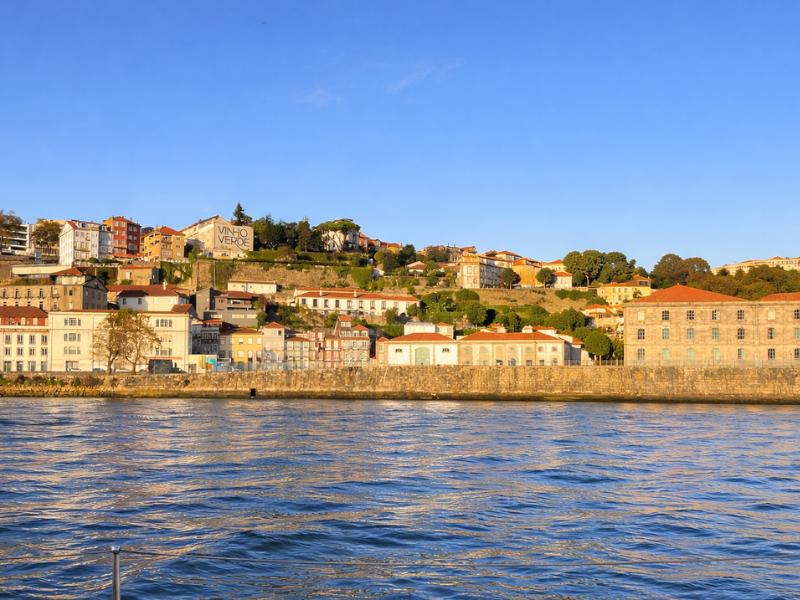
Douro River Boat Cruise in Porto + Port Wine Tasting
July and August. Two hours on the river in Porto with a Port tasting, without committing to a full day inland.
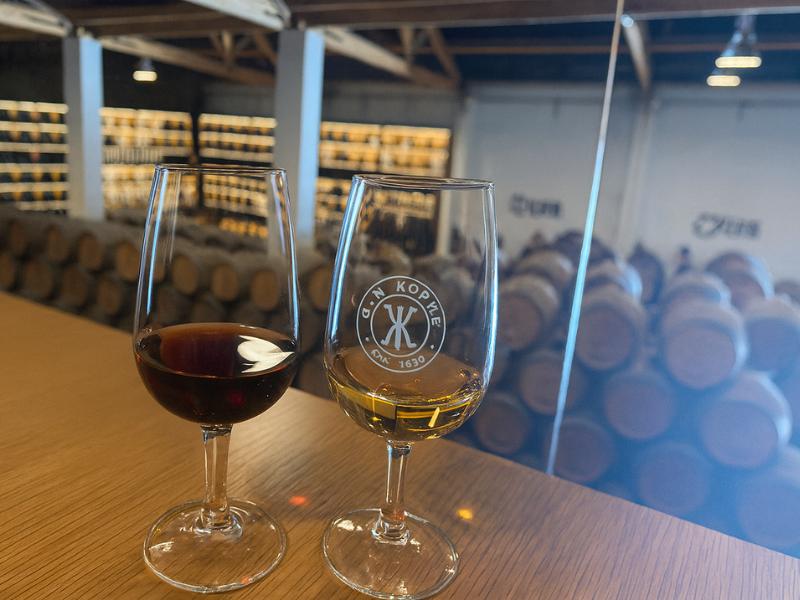
Douro Valley Tour from Porto – Boat Trip, Wine Tasting + Lunch
September and October. Ten hours from Porto with a boat trip, wine tasting, and lunch, which matches the usual shape of a valley day.
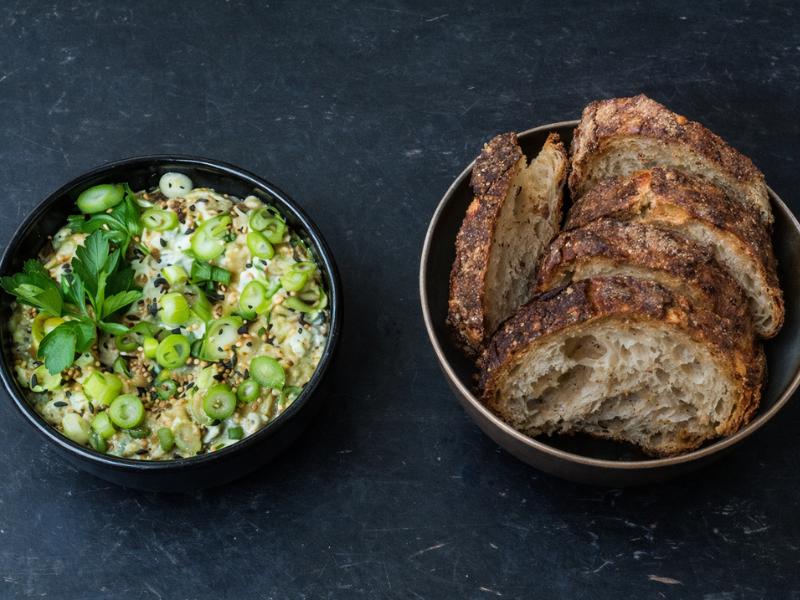
Natural Wines Tasting Experience – Meet & Taste with the Winemaker
November and winter. A one-hour indoor tasting with the winemaker, short enough to fit around earlier cellar closing times.
How Do You Get Around Porto and the Douro Valley on a Wine Trip?
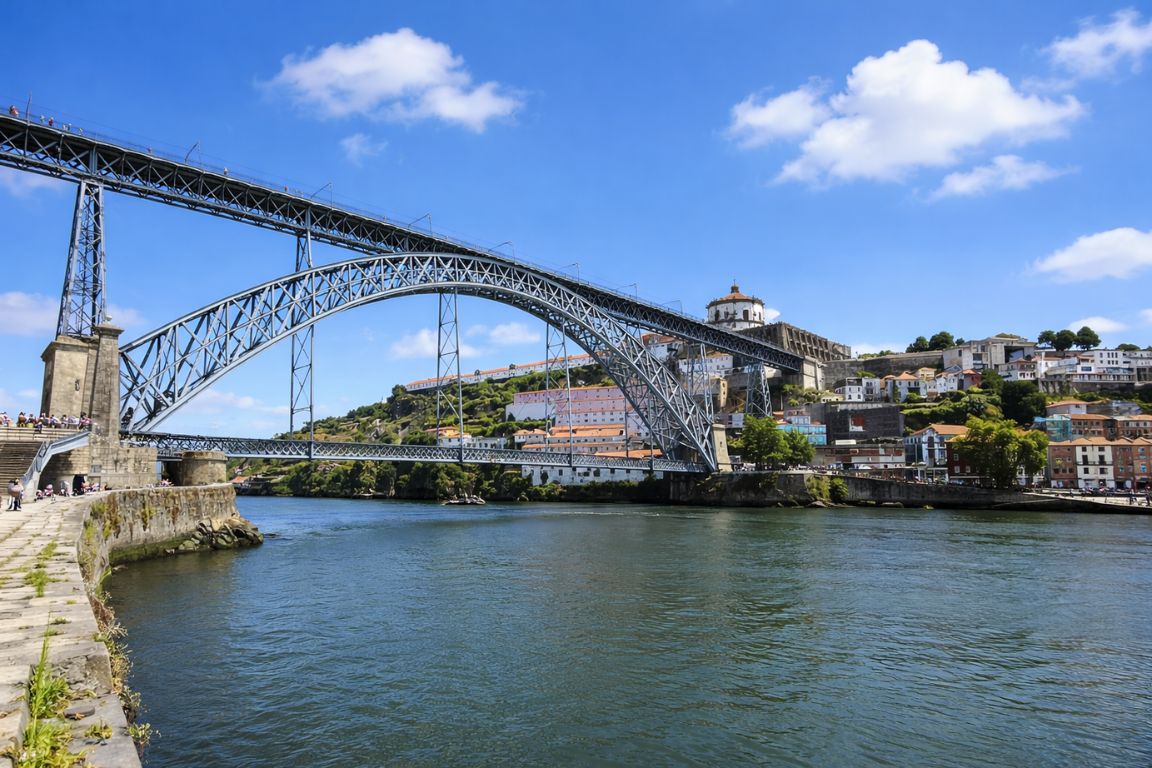 In Porto and Vila Nova de Gaia, walking and the metro cover everything you need. Getting to the Douro Valley requires a choice: the scenic train to Pinhao (2h 25min from Sao Bento station, affordable), a rental car (90 min to Pinhao, maximum flexibility but you cannot drink), or a guided day tour with transport included (the default right choice for most wine travelers). Taxis in the Douro Valley itself are scarce.
The metro in Porto is genuinely useful and costs €1.30 per trip within the city center. A 24-hour pass runs €7. For getting to Gaia specifically, walking across the Dom Luis I bridge is the experience, not just the transit. Do it on the lower level for the waterfront access. The upper level puts you at Jardim do Morro, which has one of the best views of Porto you will find anywhere.
The train to the Douro Valley is one of the most scenic rail journeys in Europe and worth doing at least once purely for the ride. The line from Sao Bento station follows the Douro River east, with the water just below your window for much of the journey. Sit on the right side heading out of Porto. The train runs about every two hours and costs roughly €10 to €20 return for Pinhao. Here is the catch nobody mentions clearly in advance: the train gets you to a station, not to a winery. Almost no quintas are within walking distance. You arrive in Pinhao and immediately need a taxi to get anywhere interesting. Taxis at the Pinhao station are limited, sometimes dramatically so. In October 2024, some travelers reported as few as four taxis serving the entire Pinhao and Regua area. Plan this in advance. Have the quinta you are visiting arrange your transfer. Do not assume you can hail something.
Important rail update: as of November 2025, the Douro line between Caide and Regua is undergoing modernization works, with train services replaced by bus for approximately five months. Check CP (Comboios de Portugal) for current status before booking train tickets.
Renting a car is the flexible option, and the Douro Valley roads are beautiful. They are also narrow, winding, and often without barriers between the tarmac and a long drop toward the river. If you are a confident driver on mountain roads, the freedom is worth it. If not, it is not. The deeper reason not to self-drive on a wine trip is obvious: you have to stop drinking well before the tastings start to be safe by the time you are driving back to Porto.
The default right answer for most travelers doing the Douro Valley: book a guided day tour that includes transport from Porto. Your driver knows the roads, you can drink freely, and a full-day Douro Valley wine tour handles the logistical detail that would otherwise eat into your day.
If you’re planning to venture into wine country, here’s our Douro Valley day trip from Porto wine tours guide so you understand timing, transport options, and whether organized tours beat going independently.
What Should You Budget for a Wine Trip to Porto?
A mid-range three-day Porto wine trip typically costs €350 to €540 per person, not including flights. Budget travelers can manage on €100 to €120 per day. Comfortable mid-range travel runs €130 to €180 per day. The biggest single expense is the Douro Valley day tour (€89 to €120). Porto is significantly cheaper than Lisbon across accommodation, food, and transport.
Porto is one of Western Europe’s better-value cities. Hostel dorms start around €20 to €25 per night. Mid-range boutique hotels sit in the €80 to €150 range. A two-course dinner with wine at a local tasca costs €15 to €25 per person. At a decent restaurant it is €30 to €40. The francesinha, Porto’s absurdly indulgent meat-and-cheese-and-sauce sandwich, runs €12 to €16 at a proper spot. Buy your Port at a cellar before you go to restaurants, because markups in Porto’s tourist-facing dining rooms are steep.
| Accommodation (per night) | €20 to €40 (hostel/guesthouse) | €80 to €150 (boutique hotel) | €200+ (design hotels, quinta stays) |
| Meals (per day) | €20 to €30 | €40 to €70 | €80 to €120 |
| Cellar tour and tasting | €14 to €20 per visit | €25 to €45 per visit | €80 to €160+ (masterclasses) |
| Douro Valley guided day tour | €89 (group, basic) | €99 to €120 (small group) | €150 to €250+ (private) |
| Porto metro (24-hr pass) | €7 | €7 | Uber/taxi: €6 to €15 per ride |
| Daily total (per person) | €60 to €100 | €120 to €180 | €250 to €400+ |
Prices verified March 27, 2025
A few tips that genuinely move the needle on budget without reducing the quality of the experience. Book your Douro Valley tour directly online rather than through your hotel concierge desk. The same tour often costs €10 to €15 less booking direct. Use the metro instead of taxis for most Porto city movement. Eat the lunchtime menu do dia at local tascas, which runs €7 to €10 for soup, a main, and coffee. Save the restaurant dinners for evenings when you have something worth celebrating, which in Porto happens regularly.
Which Porto Wine Cellars Are Worth Visiting and Which Are Tourist Traps?
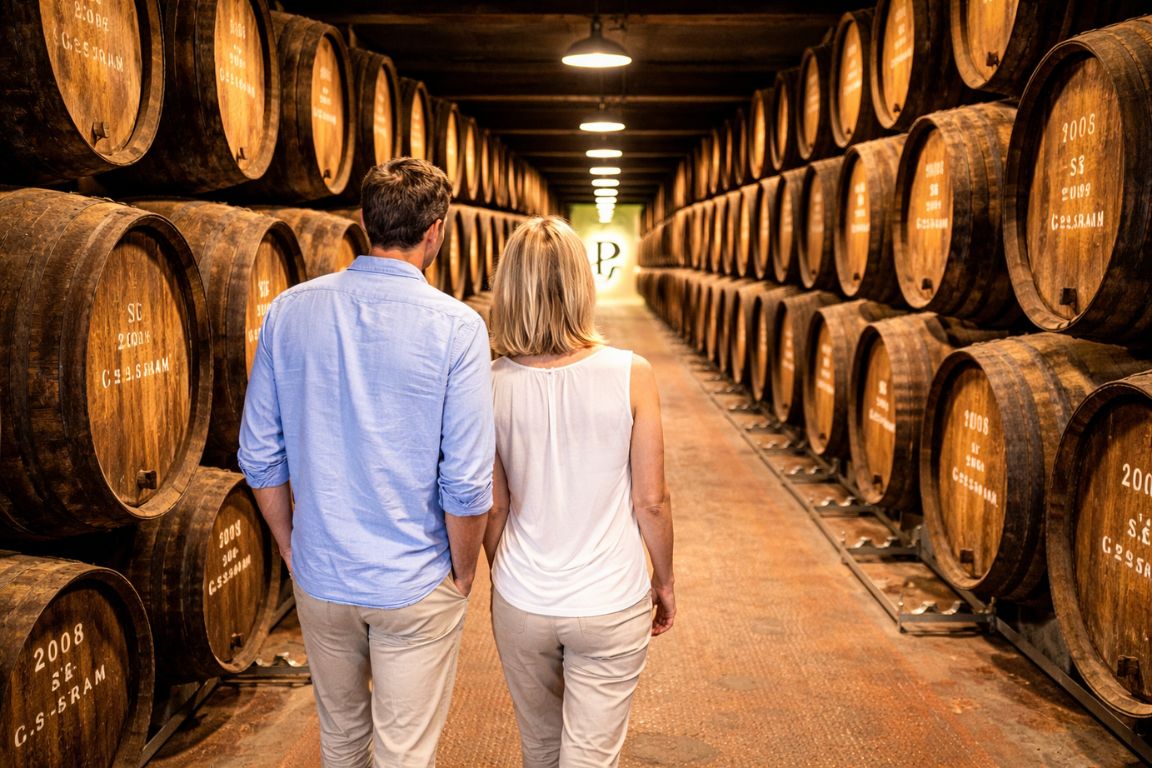 The best cellar visits in Vila Nova de Gaia balance history, a knowledgeable guide, and wines you cannot easily buy at home. Ferreira and Graham’s earn consistent praise for education quality and atmosphere. Smaller houses like Niepoort, Poças, and Quevedo offer more intimate, less rushed experiences. The cellars most likely to disappoint are the high-volume riverfront operations where guides push through multilingual groups every 30 minutes and the tasting pours are measured to the milliliter.
Here is the honest distinction we make with our travelers. The cellars closest to the riverfront get the most foot traffic because they are the easiest to find. Some of them handle that volume well. Others have become efficient tourist-processing machines, and you can feel it the moment you are handed your headset and joined to a group of 25 people who have nothing in common except that they all showed up at 3pm on the same Wednesday.
| Ferreira | Best overall for first visit; strong history, Portuguese-owned | Moderate | ~€14 | Yes |
| Graham’s | Panoramic views, premium tasting options, excellent guides | Moderate to high | ~€17 to €35 | Strongly recommended |
| Calem | Families, interactive; good value combo with fado show (€25) | High | €20 to €45 | Yes |
| Niepoort | Small groups, exceptional Tawny, cult following among wine lovers | Low | Contact for pricing | Essential |
| Pocas | One of few remaining family-owned cellars; Colheita specialists | Low to moderate | ~€15 | Recommended |
| Quevedo | No mandatory tour, walk-in friendly, younger Portuguese-run house | Low | From ~€15 | No |
| Real Companhia Velha | Vintage museum, small groups, founded by King Jose I in 1757 | Low | ~€15 to €20 | Recommended |
| Fonseca | Excellent views, audio tour, drop-in tasting room option | Moderate | €16 | For main tour, yes |
Prices verified March 27, 2025
One pattern we see repeatedly with our travelers: people who visit a big-name cellar on day one and a smaller family-run house on day two overwhelmingly prefer the second experience. Not because the famous name’s wine is worse. Often it is not. But because at Pocas or Quevedo or Niepoort, the guide has time for your questions. The pours are less measured. Someone cares whether you understood what you just tasted.
Cockburn’s is worth a mention specifically because it has the only working cooperage left in Gaia. You can hear the coopers at work while you are in the cellar. It sits further from the river, which means fewer crowds and a more relaxed tour pace. It also means slightly less convenient access, which is a small price to pay for that kind of experience.
The practical trap that affects even well-prepared visitors: assuming you can walk in anywhere at any time. The English-language tours at most major cellars run on fixed schedules. A popular house like Graham’s can sell out weeks in advance during summer. If your visit depends on a specific cellar, book online before you travel. If you are arriving flexible, go on a weekday morning when the largest group-tour operators are still loading their buses.
We’ve been arranging cellar access and tastings for travelers since 2014. A small-group tour of three cellars (max 12) with seven tastings is a concrete way to book Gaia without assembling each visit.
Need solid recommendations? Here are the best Port wine cellars in Porto wine tours that consistently get it right – from historic lodges to smaller producers with exceptional tastings.
How Do You Plan Your Porto Wine Itinerary Day by Day?
 A three-day Porto wine itinerary works best with one day dedicated to Vila Nova de Gaia cellars, one full day in the Douro Valley, and one day for slower exploration around Porto itself. Add a fourth day if you want to push deeper into the valley or explore Vinho Verde territory to the north. Five days is comfortable for anyone who wants to visit more than two quintas.
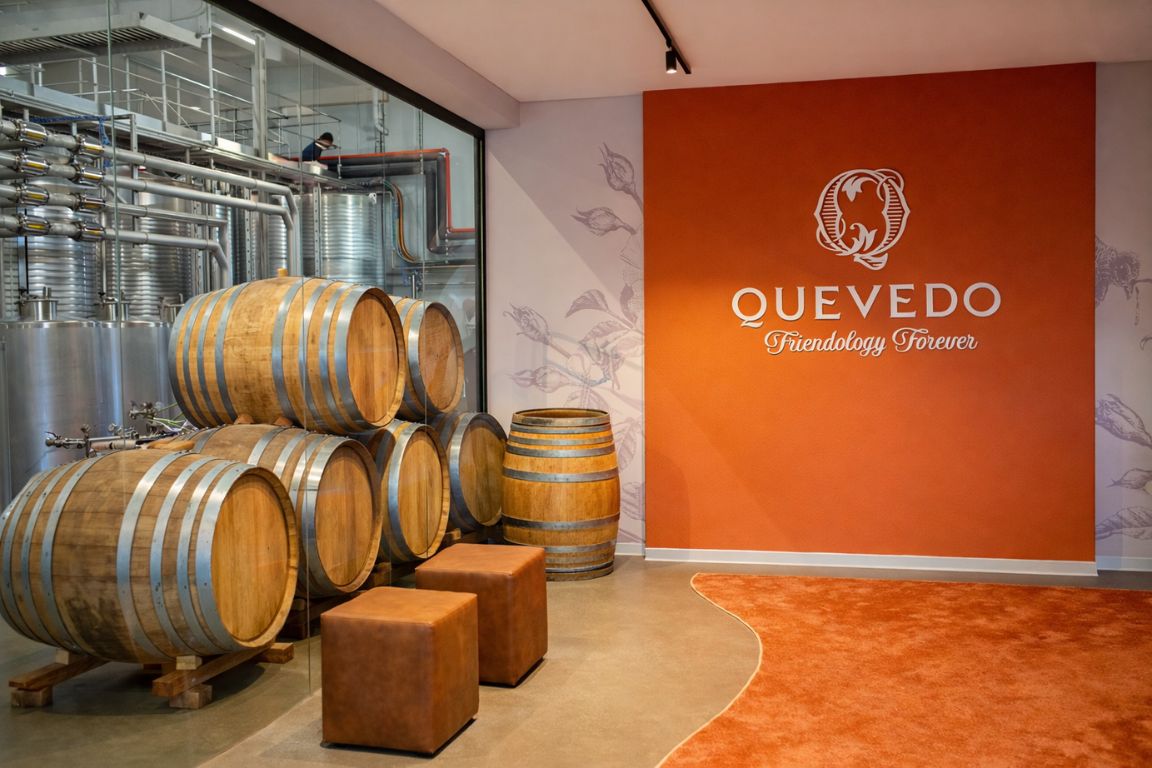
Day one should be Gaia. Arrive at the cellars midmorning, when the tour-bus clusters have not yet descended. Do one proper guided tour with tasting at a cellar that interests you, then spend the afternoon at a second house with more of a drop-in tasting room format. Quevedo or Kopke work well for that second visit because neither requires you to join a structured tour. Have dinner on the Gaia waterfront watching Porto’s skyline reflect in the water. Order a glass of aged Tawny with dessert. It is the correct move.
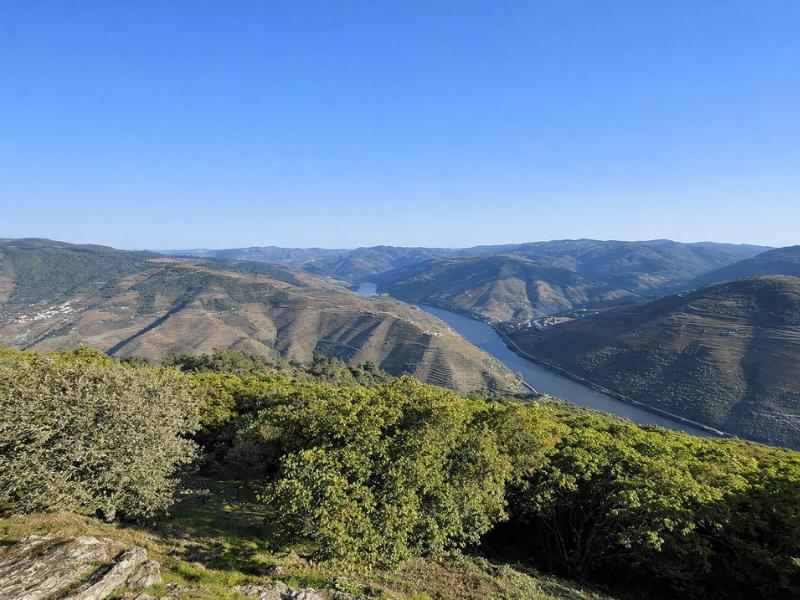
Day two is the Douro Valley. Leave Porto early, ideally before 9am. If you are on a guided group tour, they will specify pickup times. The valley reveals itself slowly as you drive east, the terraces appearing first in the distance and then closing around you as you descend. Aim to be at your first quinta by late morning. Have a long lunch somewhere with a view. Take the river cruise in the afternoon, when the light on the terraced hills is at its best. You will be back in Porto by early evening, having seen everything that makes the Douro a UNESCO site, with enough wine in you to feel the day was well spent.
Day three can be Porto itself. The city has more going on at street level than most wine-focused travelers give it credit for. The Bolhao market is genuinely worth a morning. The Ribeira district is what it looks like in photographs, which is one of those cases where the reality matches the expectation rather than disappointing it. If you have only one non-wine day in Porto, walk across the upper Dom Luis bridge early morning, have coffee at the Sao Bento station just to see the azulejo tiles, and eat lunch at a tasca in the Bonfim neighborhood where locals actually eat.
Need a game plan? I’ve put together a complete Porto wine tours itinerary that maps out how to balance Gaia cellars, Douro Valley trips, and meals without spending three straight days drunk by 2pm.
What Should You Know Before Booking a Porto Wine Tour?
Book cellar tours at least one week in advance, two to four weeks during summer. Confirm whether your tour includes transport; for Douro Valley excursions, this matters enormously. Check tour group sizes before booking. The difference between a group of 10 and a group of 30 at a quinta is not subtle. Private tours cost more but offer access to wineries that do not appear on any booking platform.
The group size question is one that experienced travelers always ask and first-timers almost never do. A lot of the criticism directed at Douro Valley tours comes from travelers who joined a large group tour and found themselves being rushed through tasting rooms with 25 other people, paired with wineries that see tour buses daily and have calibrated the experience accordingly. Those tours exist. They are not bad, exactly. But they are a different product than what a small group of six to eight people gets at a family quinta where the winemaker comes out to talk about the vintage.
Confirm the cancellation policy before you finalize any booking. Weather in the valley is not always predictable, and itineraries sometimes need adjusting. Most reputable operators allow cancellation up to 24 hours in advance for a full refund.
One more thing almost no booking page explains clearly: what you are tasting. Standard tours in Gaia include two or three pours, usually a White Port, a Ruby, and a 10-year Tawny. That is a decent introduction. If you want to taste Colheitas, Vintage Ports, or wines with 20 to 30 years of age, you are either upgrading to a premium tasting tier or booking a masterclass separately. These experiences exist and they are worth their cost. A Fonseca Vintage masterclass, for example, covers three decades of Port side by side. It runs longer and costs more and leaves you with a genuinely different understanding of what this wine can become over time.
What Do First-Time Wine Travelers to Porto Get Wrong?
The most common mistakes: visiting only the famous-name cellars and missing the smaller houses where the best experiences happen; assuming you can walk into any cellar without a reservation; underestimating the heat and transit challenges of a self-guided Douro Valley day trip; and spending too much time in the city without ever crossing into the valley where the wine actually comes from.
The biggest pattern we see, after 8,700 travelers, is this: people underplan the Douro Valley and overplan the city. They book two nights in Porto, squeeze in Gaia on day one, try to do the valley on day two, and come home feeling like they barely scratched the surface. The valley needs a full day, minimum. A proper day means arriving before noon, spending at least two hours at a quinta, eating lunch in the valley rather than rushing back, and taking the river cruise rather than skipping it to save time. None of that fits into a half-day excursion.
The taxi situation in the valley deserves its own warning. We touched on it in the transport section, but it comes up enough in forums and traveler feedback to repeat: do not plan to improvise your way around Pinhao. In peak season, the handful of taxis serving the Pinhao and Regua area are booked or occupied almost continuously. Travelers who assumed they could flag a ride from one quinta to another have found themselves stranded on a hillside in 35-degree heat with no signal and no plan. Have the quinta you are visiting arrange your transfer from the station. Or arrive on a guided Douro Valley tour where someone else handles all of this.
The other consistent fail point: treating Port wine as the entire story. Port is why most people come, and it is extraordinary. But the unfortified Douro table wines are genuinely exciting in ways that feel like a discovery rather than an add-on. A Touriga Nacional red from a good quinta costs €15 to €25 at the source and would cost €45 in a London restaurant if anyone imported it. Buy several bottles before you leave. They travel well.
Finally, the cellar schedule issue. Several travelers each season arrive in Gaia at 5pm expecting to do a tour and tasting and find that the last English-language tour of the day left at 4pm. Cellar operating hours vary by season. Most major houses close earlier in winter and do not run evening sessions. Go in the morning or early afternoon. Plan around the cellar’s schedule, not the other way around.
What Our 8,700 Travelers Tell Us About Planning a Porto Wine Trip
Over more than a decade of guiding travelers through Porto, the Douro Valley, and Portugal’s wine regions, we have tracked how our guests plan, what they wish they had done differently, and what they consistently say was the best part of the trip. Here is what that data shows.
| Travelers who said the Douro Valley was the highlight of their trip | 78% |
| Travelers who wished they had booked more time in the valley | 62% |
| Most common trip length among our traveler groups | 3 nights in Porto + 1-2 nights in the valley |
| Travelers who visited only large-brand cellars vs. mixed large and small | 35% large-only; 65% mixed |
| Satisfaction rating among travelers who pre-booked all cellar tours | 4.8 / 5.0 |
| Satisfaction rating among walk-in travelers who could not get into their preferred cellar | 3.2 / 5.0 |
| % of travelers who bought wine to take home | 84% |
Frequently Asked Questions
How many days do I need for a Porto wine trip?
Three days is the minimum that lets you experience both Vila Nova de Gaia and the Douro Valley without feeling rushed. Four to five days is more comfortable, especially if you want to visit more than two quintas or explore Vinho Verde country to the north.
Do I need to book Porto wine cellar tours in advance?
Yes, especially during summer and harvest season. The most popular cellars, including Graham’s, Niepoort, and Ferreira, can sell out weeks ahead. English-language tours at most major houses run on fixed schedules and do not accommodate walk-ins the way restaurant tables sometimes do. Book online at least one week ahead, two to four weeks for peak months.
Is it worth doing a Douro Valley day trip from Porto?
It is one of the most worthwhile day trips in Portugal. The valley is where Port wine is actually produced, and seeing the terraced vineyards from the river while tasting wines at a working quinta is a genuinely different experience from the cellars in Gaia. Most organized day tours from Porto include transport, two quinta visits, lunch, and a river cruise for €89 to €120 per person.
What is the best time of year to visit Porto for wine?
April through June for mild weather and lighter crowds. September and October for the harvest season, which is spectacular but requires earlier booking of accommodation and tours. November and March are the locals’ secret, with low prices and relaxed access at the cellars.
Can I visit Port wine cellars without doing a tour?
Some cellars allow tastings in their tasting rooms without a full guided tour. Quevedo and Fonseca offer this. Most major houses, however, structure their visitor experience around tours and do not pour freely at a bar. If you want to sit and drink without a pre-booked itinerary, the wine bars along the Gaia waterfront give you that flexibility without the tour format.
How much does a Douro Valley day tour cost from Porto?
Group tours with transport, two winery visits, lunch, and a river cruise typically run €89 to €120 per person. Private tours with a dedicated guide and vehicle start around €150 to €250 per person for a full day, depending on group size and which quintas are included.
Questions before you commit?
Mateo and the team answer them daily. If you want one itinerary that already includes tastings, lunch, and a cruise, start with the full-day Douro Valley wine tour.
Written by Mateo Oliveira Santos
Portuguese tour guide since 2014 · Founder, Porto Wine Tours
Mateo has guided over 8,700 travelers through Porto, the Douro Valley, and Portugal’s wine regions since founding the agency.