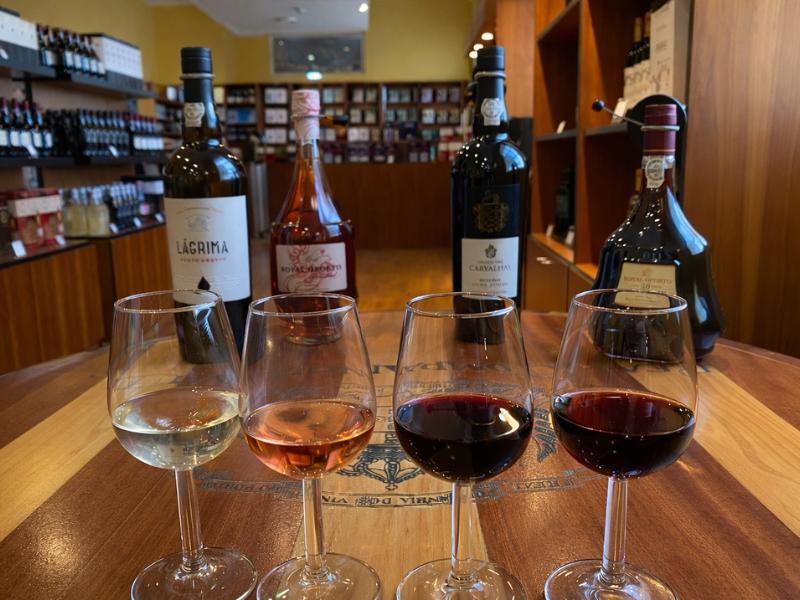
Best Time to Visit Porto for Wine Tours
Best time for Porto wine trips? September harvest is peak, spring is ideal, summer is hot and pricey, and winter offers quiet cellar visits.
Booking Choice: Choose a Gaia cellar visit for a short city outing, or keep a full day free for the Douro. Harvest participation needs a specific seasonal booking; an ordinary winery tour does not include it. Explore Douro Wine, Lunch And River Cruise
Last updated: April 12, 2026
| Winter | Nov to Feb | 13 to 15°C (55 to 59°F) | Low | Lowest of year | Intimate. Cellars quiet. Valley cold but charming. |
| Spring | Mar to Jun | 17 to 24°C (63 to 75°F) | Low to moderate | Rising from April | Excellent all-round. Best value window. |
| Summer | Jul to Aug | 25 to 26°C (77 to 79°F) in Porto; 38°C+ in valley | Peak | Highest of year | Cellars fine. Valley requires early starts. |
| Harvest | Sep to Oct | 20 to 24°C (68 to 75°F) | High | Peak (Sep) to falling (Oct) | Best overall for Douro. Book 3 to 6 months ahead. |
Prices verified March 27, 2025
At A Glance: Spring and autumn balance sightseeing and wine visits; harvest participation needs a date-specific booking, while Gaia cellar visits offer a city option in other seasons. Explore Douro Wine, Lunch And River Cruise
What Makes Porto a Year-Round Wine Destination?
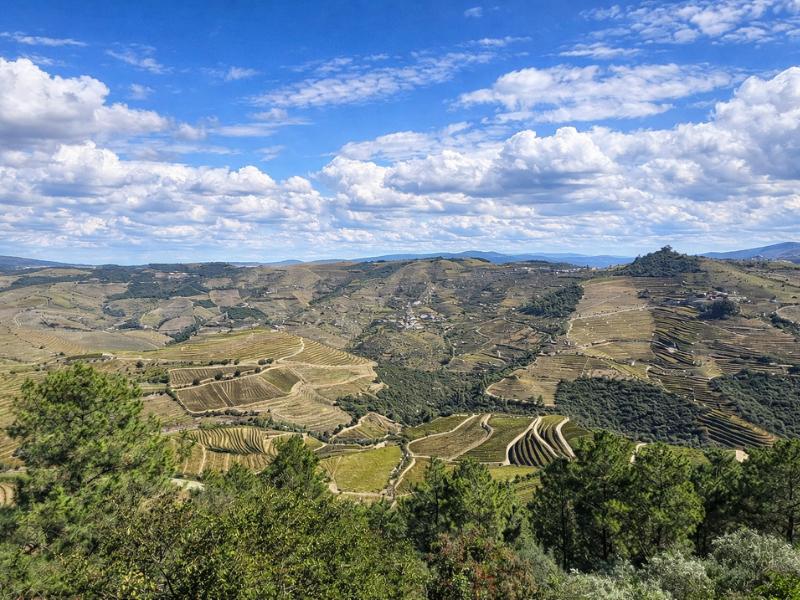
Porto works for wine tourism in every season because the experience is split across two distinct settings. The Port wine cellars in Vila Nova de Gaia operate year-round in climate-controlled environments where the season outside does not change what is in the barrel. The Douro Valley, 90 minutes east, is where season matters enormously. Understanding which part of the experience you are optimizing for shapes everything about when to go.
The cellars in Gaia age wine at a constant cool temperature regardless of what is happening outside. You can walk into Ferreira on a wet January Tuesday or a scorching August afternoon and the experience inside is functionally the same: barrels stacked in dim corridors, the faint sweetness of evaporating alcohol, a guide walking you through the difference between Ruby, Tawny, and Vintage. The cellar does not care about the calendar. The crowds and the prices around it do.
The Douro Valley is a different matter. The valley changes visibly month to month in ways that are genuinely spectacular. Bare grey vines in January. Clouds of almond blossom across the hillsides in late February. Vivid green canopy through spring. Grapes turning heavy and bronze in August. Then September arrives and the valley becomes something else entirely: workers in the vineyards at dawn, trucks loaded with fruit on the narrow roads, the smell of fermenting grape must drifting from the quintas, a communal energy that the Douro has had for over 2,000 years and has never entirely lost.
Porto’s coastal climate is also worth understanding clearly. The city sits at the mouth of the Douro on the Atlantic, which keeps temperatures mild and moderate almost year-round. The average high in January is around 14°C. August sits around 26°C, rarely climbing past 30°C in the city itself. Rain concentrates heavily in winter and almost disappears in July and August. The valley, by contrast, has a continental microclimate shielded from Atlantic influence: same mild winters, but summers that push past 38°C in the upper Douro. That gap matters when you are planning outdoor vineyard visits.
Want to get the planning right? This breakdown of how to plan a trip to Porto wine tours covers all the details most visitors only figure out after they’ve already arrived – like needing reservations for premium cellars and understanding the difference between Porto tastings and Douro vineyard visits.
When Is the Best Time to Visit Porto for Port Wine Cellar Tours?
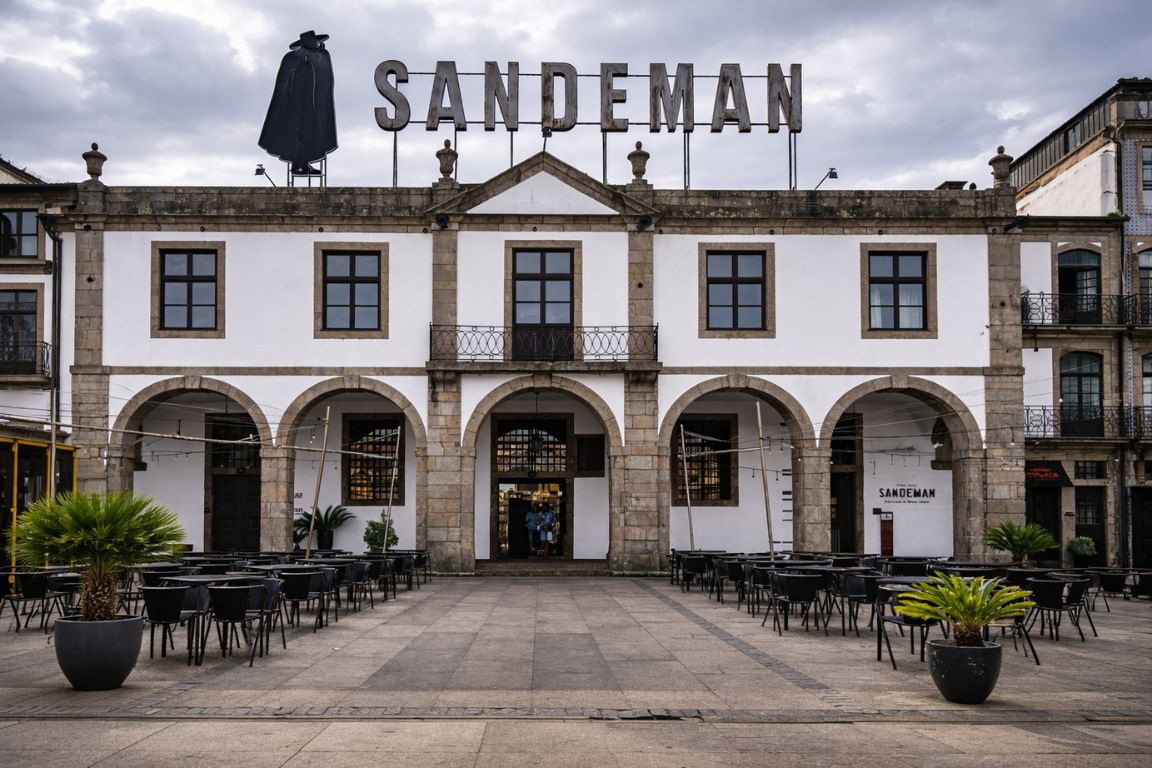 For Port wine cellar tours specifically in Vila Nova de Gaia, the best window is April through June and September through October. Spring gives you mild weather, manageable crowds, and full tour schedules. Autumn brings harvest energy across the river and ideal walking temperatures. The practical sweet spot for first-time visitors who want quality without chaos is late April or early May. Book ahead regardless of when you come; English-language tours at major cellars fill up weeks out in high season.
The thing most travelers miss when researching timing is that cellar visits are less weather-dependent than almost anything else you might do in Portugal. You are inside, in a cool building, for 45 to 90 minutes. What the season actually affects is how long the queue is, how rushed the guide seems, and whether the tour group feels like a genuine experience or a conveyor belt.
July and August are technically fine for the cellars but demand the most patience. The big-name houses on the Gaia waterfront move fast in peak summer. Calem, Sandeman, and Taylor’s run tours on tight rotations to accommodate the volume. Groups of 25 or 30 are common. Questions that would earn a five-minute answer in February get a 30-second response in August. The wine in the glass is identical. The conversation around it is not.
Winter is when the cellars become genuinely exceptional for anyone who cares about depth over atmosphere. From November through February, visitor numbers drop sharply. The same cellars that felt like airports in August become something closer to private tastings. Guides have time. Questions get real answers. Some of the smaller houses, Poças, Quevedo, Niepoort, become almost intimate. The trade-off is the city outside: grey skies, rain likely, shorter daylight hours. Porto in winter has a melancholy beauty that some travelers love and others find bleak. The wine inside the cellars remains spectacular throughout.
One timing insight that guides and locals rarely mention publicly: the very best time to visit cellars during peak season is before 11am on a weekday. Tour buses from the big hotels typically load and depart midmorning. If you arrive in Gaia at 9:30am on a Tuesday in July, the riverfront has not yet filled. By 1pm it is a different place entirely.
We’ve been planning cellar visits for travelers since 2014 and know which houses have availability when the others are full. For a set cellar itinerary, see the Port Wine Cellars of Gaia Tour with 7 Tastings.
Trying to figure out which lodges to prioritize? Our guide to the best Port wine cellars in Porto wine tours shows you exactly what sets each one apart beyond just famous names and riverside locations.
What Happens in the Douro Valley During Harvest Season?
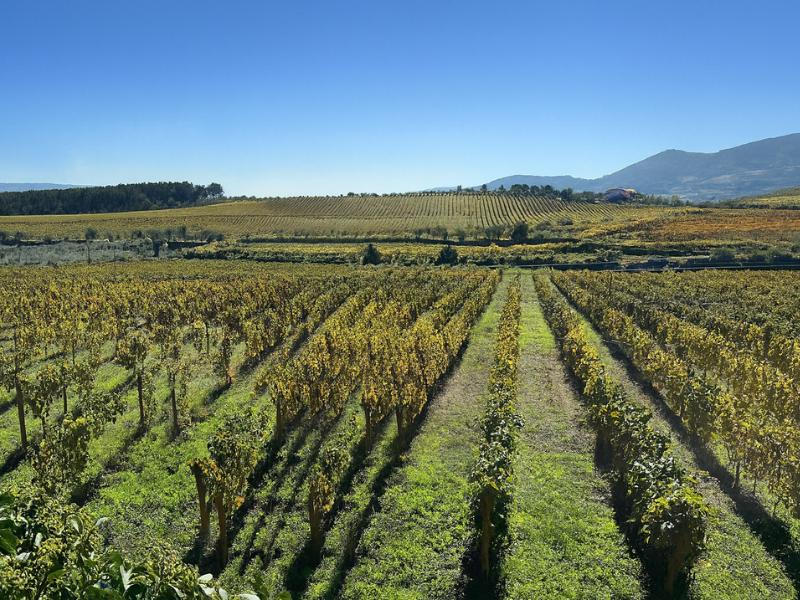
From mid-September to mid-October, the Douro Valley undergoes a visible transformation that no other time of year replicates. The vindima, or grape harvest, fills the terraces with workers, the air with the scent of fermenting fruit, and the quintas with a particular energy that centuries of winemaking tradition has layered into the place. Some estates open their lagares for guest participation in foot-treading. Book harvest experiences three to six months in advance; the best ones sell out.
Harvest in the Douro does not follow a fixed date. It follows the grapes. In Baixo Corgo, the westernmost and coolest sub-region, picking often begins in late August. Cima Corgo, the heart of Port country around Pinhao, peaks through September. The upper Douro, close to the Spanish border, runs hottest and driest and sometimes extends into October. The harvest is staggered, which means that from late August through mid-October there is almost always something active somewhere in the valley.
What you actually see depends on where you go and what your quinta has arranged. At the working estates, you might find yourself walking through a vineyard where pickers are loading baskets by hand just as they have done for generations. The lagar, the granite foot-treading tank, becomes genuinely significant in the right context. It sounds eccentric on paper: standing knee-deep in grape must, moving in a coordinated line to traditional music. In practice it is one of those travel experiences that people describe years later with complete clarity.
The harvest months carry a premium. Hotels in the valley charge their highest rates of the year in September. Guided tours with harvest participation elements cost €150 to €250 per person, roughly double a standard day tour. Quinta stays start at €150 per night for simpler rooms and rise steeply from there. None of this is unreasonable given what the experience delivers. It is just worth building into your planning rather than discovering it when you are trying to book six weeks out.
October is harvest’s quieter, often overlooked sequel. The main picking rush is over. The valley has turned copper and gold. Prices start falling from the September peak. The quintas are stocked with the new vintage, and winemakers who spent September running at full capacity now have time for the kind of conversation that makes a visit memorable. October in the Douro, particularly after the 15th, is one of the genuinely underrated windows in Portuguese wine tourism.
Timing your trip for the harvest? I’ve broken down Porto wine harvest season so you know exactly when grapes are picked in the Douro, what you can witness, and whether September is worth the crowds for the experience.
How Do Crowds and Prices Change by Season in Porto?
Porto’s peak season runs longer than most visitors expect, from April through October rather than just summer. Hotel prices begin rising in April and only fully drop back in November. July and August are the most crowded months. The shoulder windows with the best combination of weather, availability, and value are late April through June and October through early November. Booking cellar tours and Douro Valley experiences earlier than feels necessary is consistently better than booking at the last minute.
The data on prices is worth understanding concretely. Mid-range boutique hotels in Porto’s city center average around €80 to €100 per night in November and January. By May and June, the same hotels are running €140 to €200. Peak summer months see rates climb further, and the best central accommodations are typically booked out weeks ahead for July and August weekends. November is the cheapest month to book, with rates sometimes 30 to 40 percent below the summer equivalent.
| Nov to Feb (low) | €60 to €100 | High, same-week booking often possible | 1 to 2 weeks |
| Mar to Apr (shoulder) | €80 to €130 | Good, most dates available | 2 to 3 weeks |
| May to Jun (rising) | €120 to €180 | Moderate, popular dates filling | 3 to 4 weeks |
| Jul to Aug (peak) | €150 to €220+ | Tight, popular operators sold out weeks ahead | 4 to 6 weeks minimum |
| Sep (harvest peak) | €140 to €200 | Very tight, harvest tours sold out months ahead | 3 to 6 months for harvest experiences |
| Oct (shoulder harvest) | €100 to €160 | Good, quieter after mid-month | 3 to 4 weeks |
Prices verified March 27, 2025
One pattern worth flagging: Porto’s shoulder season has a sweet spot that most online guides understate. Late April through early June offers very nearly the same weather as peak summer, with meaningfully fewer tourists and prices that have not yet hit their summer ceiling. The Gaia cellars are accessible without a two-week lead time. The valley is green and beautiful. This window, the three weeks on either side of early May, is what we tend to recommend to travelers who have flexibility.
Recommended tours by season
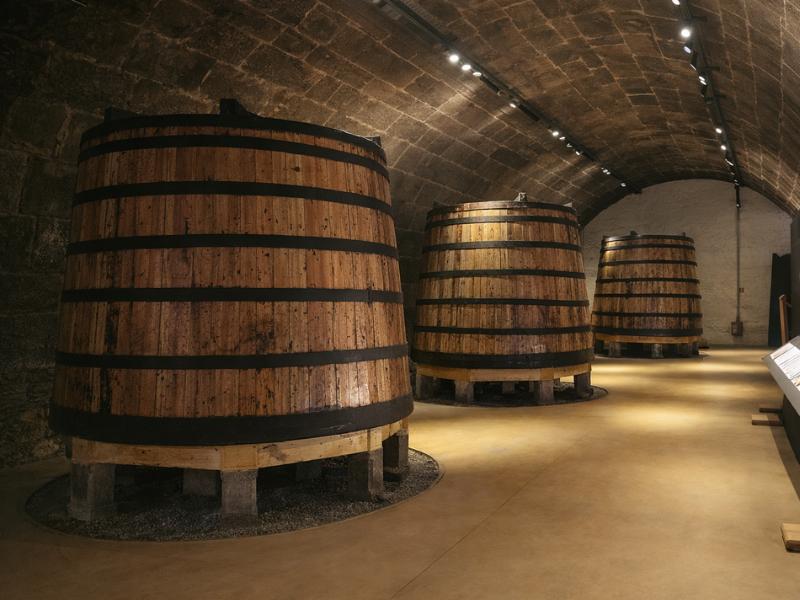
Best Porto Wine Walking Tour – 9 Tastings of Port & Douro Wines
A three-hour city walk with nine Port and Douro tastings. Fits spring, when the weather is mild enough to do the lodges on foot.
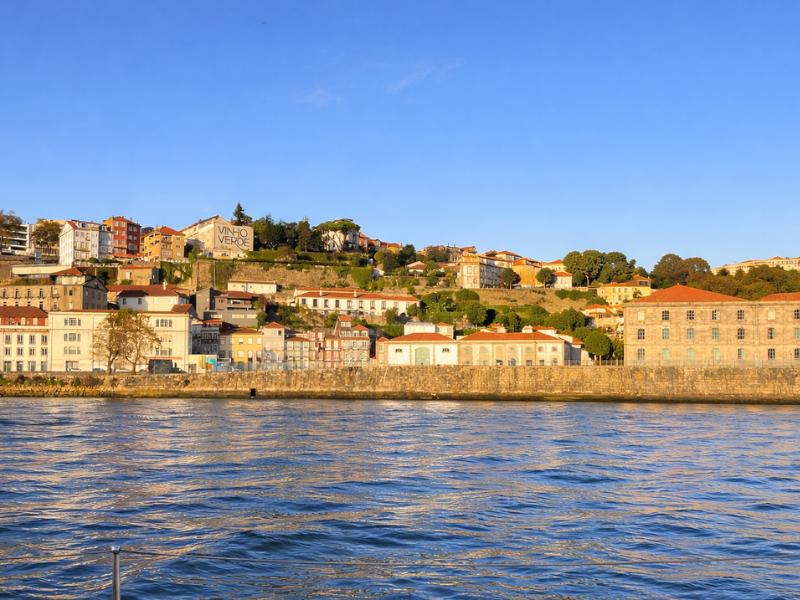
Douro River Boat Cruise in Porto + Port Wine Tasting
A two-hour Douro river cruise in Porto with a Port tasting. Fits summer, when a short outing on the water is easier than a full valley day.
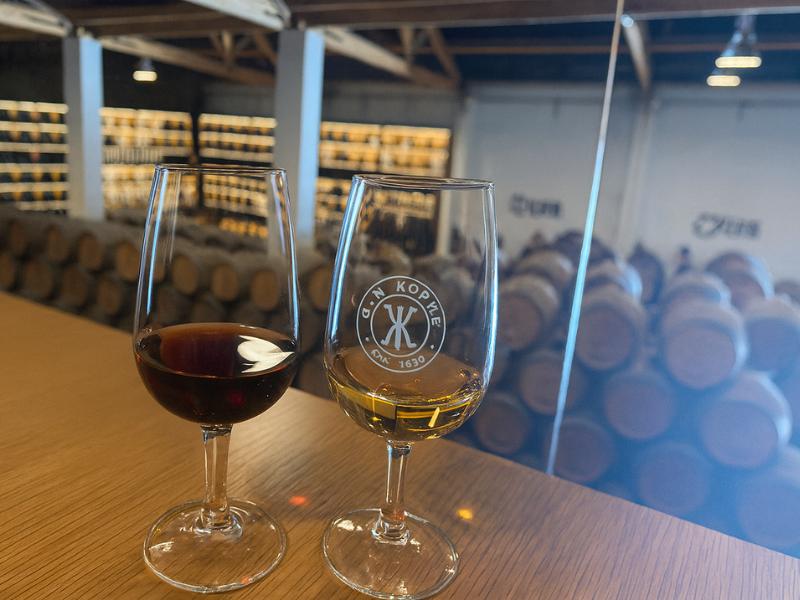
Douro Valley Tour from Porto – Boat Trip, Wine Tasting + Lunch
A 10-hour day from Porto with a boat trip, wine tasting, and lunch. Fits harvest season, when the valley is the focus of the trip.
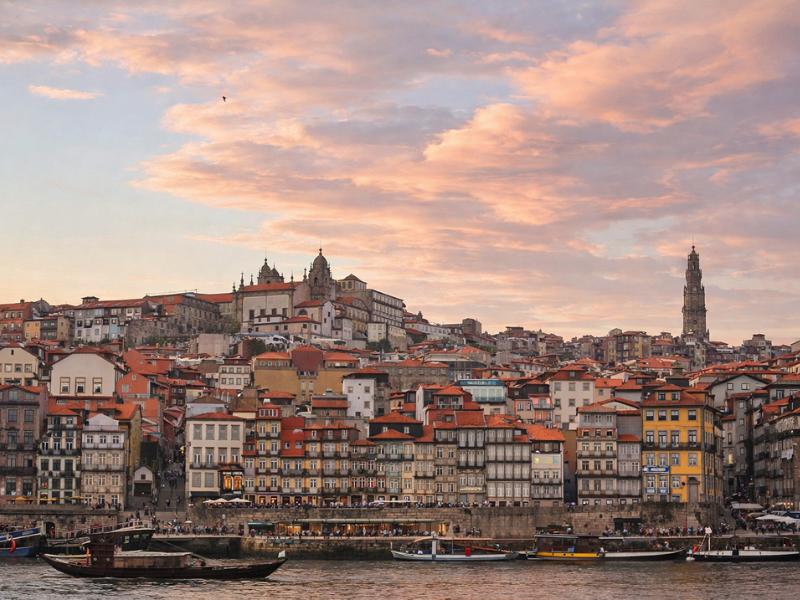
Porto Port Wine Tour: 3 Cellars, 7 Tastings & Small Group (Max 12)
Three cellars and seven tastings, limited to 12 people, over two hours. Fits winter, when the lodges are the indoor half of a Porto wine trip.
What Is Porto Like for Wine Tourism Month by Month?
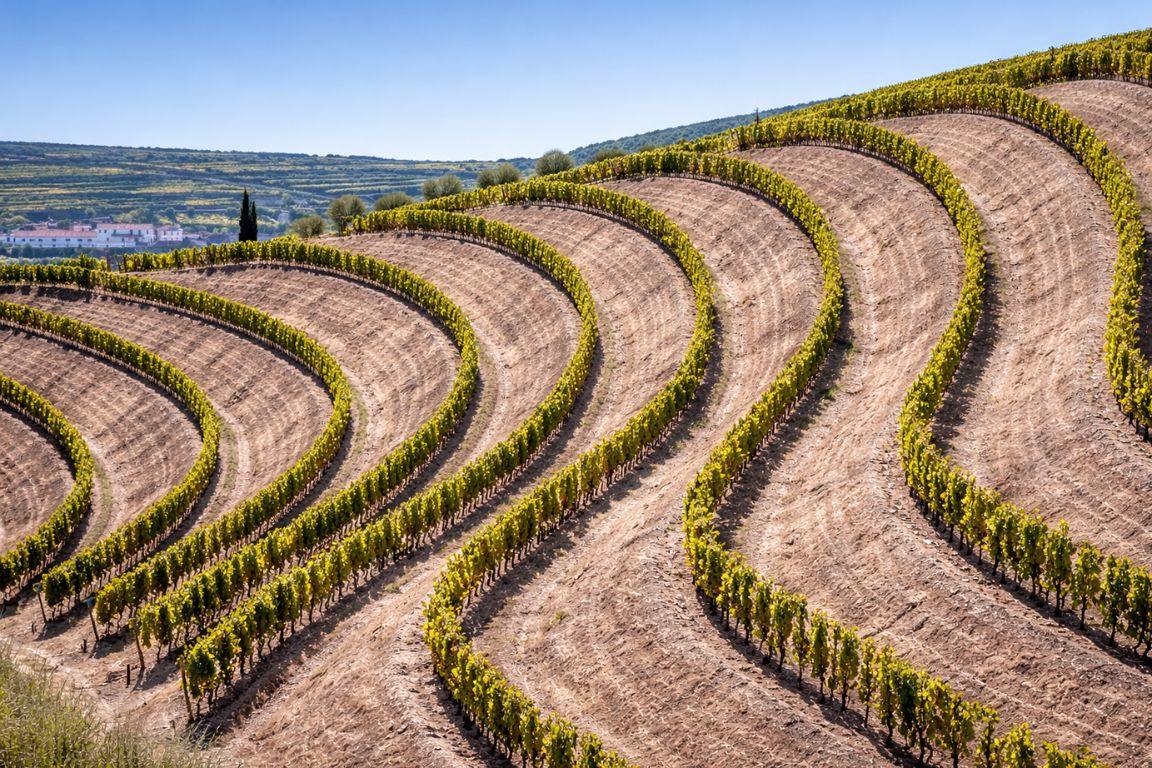 The month-by-month picture matters because the difference between March and April, or between late September and early November, is genuinely significant. Here is what to expect across the full calendar year.
January
Porto in January is quieter than at any other point in the year. The rain is real, with December and January being among the wettest months (the city averages around 180mm in December alone). Temperatures in the city sit around 13 to 14°C during the day, dropping to 5 to 7°C at night. For cellar visits in Gaia, this is an excellent month. Some smaller houses offer discounts of 15 to 20 percent. Guides have time. You can ask everything.
In the Douro Valley, the vines are bare and pruned back to gnarled stumps. It is not the postcard view. It has its own austere quality, and winemakers who are not running harvest operations have genuine time for a conversation. Some quintas reduce hours or close for maintenance in January. Check before visiting. River cruises may be cancelled on days with heavy rain. The Douro in January rewards travelers who want depth over scenery.
February
February in Porto runs almost identically to January on weather and crowds. The one remarkable visual difference is in the eastern Douro: by late February, almond trees across the upper valley and Douro Superior erupt in white and pale pink blossom. It is one of the most photographed natural events in the Portuguese calendar and almost no one outside the country knows about it. If you are travelling in late February and willing to drive or take a private tour toward Foz Coa and the upper valley, the blossom season is genuinely worth planning around.
Prices remain at their lowest in February. Hotels in the Douro offer their biggest discounts of the year. Valentine’s weekend is the one exception: quinta restaurants and hotels tend to offer special packages that sell out weeks in advance. Cellar availability in Gaia remains wide open.
March
March marks the turn. Temperatures start climbing slowly toward 17 to 18°C highs in the city. The vines begin to bud. Rain is still frequent but starting to ease. Prices are still near winter lows for the first half of the month, then begin a gentle rise. This is one of the best-value months for a Porto wine trip: spring is arriving, the valley is waking up, and you are not yet competing with the summer booking rush. March is when we suggest European travelers with flexible dates start looking seriously.
April
April is excellent. The weather has shifted genuinely to spring: average highs of 18 to 20°C, noticeably less rain than winter, and the Douro Valley’s terraces covered in bright green young foliage. This is when the valley starts to look like its photographs. Douro Valley tour operators are running full schedules. Cellar bookings are manageable with a couple of weeks’ notice. Prices are rising but not yet at their peak.
The only caution for April is Easter weekend, when Portuguese domestic tourism surges. Accommodation prices spike for the long weekend and some popular tours fill up. Book around Easter rather than into it unless you have planned months ahead.
May
May is our default recommendation for travelers who ask us when to visit without constraints. The weather is warm and stable, averaging 20 to 22°C, with long evenings and minimal rain. The valley is lush. Tour operators are operating at full capacity without the summer crowd pressure. Hotel prices have risen from winter but have not hit their July ceiling. A Douro Valley day trip booked two to three weeks ahead is typically available. The São Bento cellars in Gaia have shorter queues than they will in two months.
One added benefit in May: the Douro River is at a good level for cruises, and the vineyard scenery from the water is at its annual visual peak. Poppies and wildflowers on the hillsides that are gone by July. If you can only visit Porto once, May is a strong argument for this window.
June
June is still excellent for the first three weeks. Temperatures are climbing toward summer (24°C highs), days are long, and there is still a freshness to the air that disappears in July. The major annual event is Festa de São João on the night of June 23rd, Porto’s biggest celebration. The city throws a street party that fills every neighborhood, with grilled sardines, folk music, and the tradition of locals hitting each other gently with plastic hammers or leeks. It is chaotic, loud, joyful, and entirely unlike any other night in Porto. Plan around it, not against it.
Note that some cellars adjust their hours around June 23rd. Taylor’s cellar closes early on that date. Check operating hours before planning a late afternoon visit that week.
July
Porto’s city in July is warm and largely dry. Average highs of around 25°C with sea breezes keeping the coast comfortable. This is peak tourist season and the cellars in Gaia reflect that: Graham’s and Calem book out well in advance, queues for walk-ins are long on weekends, and the English-language tour schedules at major houses fill faster than at any other time of year. The cellar experience is still good. It just requires more planning and more patience.
The Douro Valley in July is another matter. Temperatures in the Cima Corgo regularly reach 35 to 38°C. The upper Douro can exceed that. River cruises are popular partly because the boat provides relief from the heat. If you are visiting the valley in July, plan your outdoor activities for early morning, stay at a quinta with a pool, and treat the midday hours as an excuse to sit inside a cool cellar and taste through an estate’s full range. Hiking in July is ill-advised.
August
August is Porto at its most extreme: most visitors, highest prices, hottest Douro Valley. The city itself remains comfortable, with the Atlantic breeze doing its work. Gaia’s waterfront is at its most lively and most crowded. Many Portuguese take their own summer holidays in August, which gives the city a festive energy that some travelers love and others find exhausting.
For wine tours, August requires the most advance planning of any month. Book cellar visits six weeks ahead. Book Douro Valley tours at least a month out if you want any flexibility on dates. The upside of August: the valley is beautiful in a different way than spring, with heavy grape clusters visible on the vines, the grapes darkening and ripening toward harvest. You can see exactly what is coming.
September
September is the month. The harvest begins, the valley transforms, and Porto itself sits in what is often its warmest and sunniest weather of the year without the humidity of August. Average highs of 24°C in the city. The Douro drops below 35°C as the month progresses. Everything is happening at once.
At the quintas, vindima is underway. Workers arrive before dawn on the steep terraces. Tractors haul grape crates to the wineries. The lagares fill with crushed fruit, and in the traditional estates you can still find the evening foot-treading sessions where guests are invited to join. The smell of the valley in September is distinctive: part sweet fruit, part fermentation, part warm earth. It stays with you.
The booking reality is demanding. Harvest experience packages at the better quintas sell out three to six months ahead. Standard Douro day tours from Porto book up weeks before. September hotel prices in the valley are the highest of the year. None of this should deter serious wine travelers. It should just be factored into planning long before you buy flights.
October
October is the underrated month. Early October is still harvest in the upper Douro. By mid-month the picking rush is over, the valley has exhaled, and the foliage starts to turn. Copper, gold, and burgundy across the terraces. The Douro in late October is arguably the most beautiful it looks all year, and the photographers who know this are there every autumn.
Prices begin falling from their September peak, particularly after the 15th. Hotel availability in the valley improves significantly. Cellar tours in Gaia are well-stocked. Douro day tours from Porto run on full schedules and can be booked with a week or two of notice. October hits a sweet spot that experienced travelers return to repeatedly: harvest’s aftermath, without harvest’s booking pressure.
November
November is the start of Porto’s wet season in earnest. Rain becomes frequent, temperatures drop to highs of around 17°C. The valley vineyards have lost their leaves and taken on that spare, structural winter look. Prices fall sharply. November is consistently one of the cheapest months to book hotels, with some operators noting discounts of 30 percent or more versus September rates.
For cellar visits specifically, November is excellent. The harvest wines from the previous six weeks are sitting in barrel at the quintas. Winemakers have time. The Gaia lodges run at a fraction of summer volume. If your priority is quality of conversation over quality of weather, November rewards that trade.
December
December is cold and wet, with the wettest month of the year by average rainfall (around 180mm). Daylight hours are at their shortest. The city has Christmas decorations and a particular quiet warmth to its indoor spaces that the summer months cannot replicate. Cellar visits in Gaia are available with almost no advance planning needed, and the tasting rooms feel genuinely cozy rather than crowded.
Christmas week and New Year are the exception: some quintas and restaurants in the valley run special programmes that sell out. Taylor’s has specific holiday hours. If you are visiting over the festive period, check individual cellar schedules and book anything special well in advance. The rest of December, outside those holiday clusters, is Porto at its most unhurried.
What Are the Best and Worst Months to Visit Porto for Wine?
The best months for most wine travelers are May, September, and October. May delivers ideal weather, full tour schedules, and pre-peak pricing. September offers the harvest experience that makes the Douro Valley genuinely irreplaceable. October gives you harvest’s aftermath, autumn color, and falling prices. The hardest months to plan are July and August: not bad, but demanding the most advance booking and highest budgets. January and February are excellent for serious wine travelers who prioritize cellar access over weather.
| January | Cold, wet | Excellent (intimate) | Quiet, bare vines | Best | Good for wine specialists |
| February | Cold, some rain | Excellent | Almond blossom (late Feb) | Best | Hidden gem month |
| March | Mild, improving | Very good | Vines budding | Very good | Strong value pick |
| April | Warm, pleasant | Very good | Green vineyards, blooming | Good | Excellent all-round |
| May | Warm, low rain | Very good | Lush, peak beauty | Good | Top pick overall |
| June | Warm to hot | Good (busier) | Lush, hot middays | Moderate | Good if São João planned for |
| July | Hot (city); very hot (valley) | Moderate (crowded) | Grapes ripening, 38°C+ | Lowest | Manageable with planning |
| August | Hot (city); very hot (valley) | Moderate (busiest) | Hot, heavy grapes | Lowest | Needs most planning |
| September | Warm, dry | Very good | Harvest. Irreplaceable. | Low (expensive) | Top pick for Douro |
| October | Mild, some rain late | Very good | Autumn color, foliage | Good (improving) | Top underrated pick |
| November | Cool, increasingly wet | Excellent (quiet) | Quiet, bare vines | Very good | Strong for cellar-focused trips |
| December | Cold, wet (wettest month) | Excellent (festive) | Quiet, holiday closures possible | Very good | Good for cozy cellar experience |
Prices verified March 27, 2025
Not sure which window fits your situation? Compare your dates with a Douro Valley full-day experience and use the Porto wine tourism guide to see how cellar visits and valley days fit together.
How Does the Weather in Porto Affect Your Wine Tour Experience?
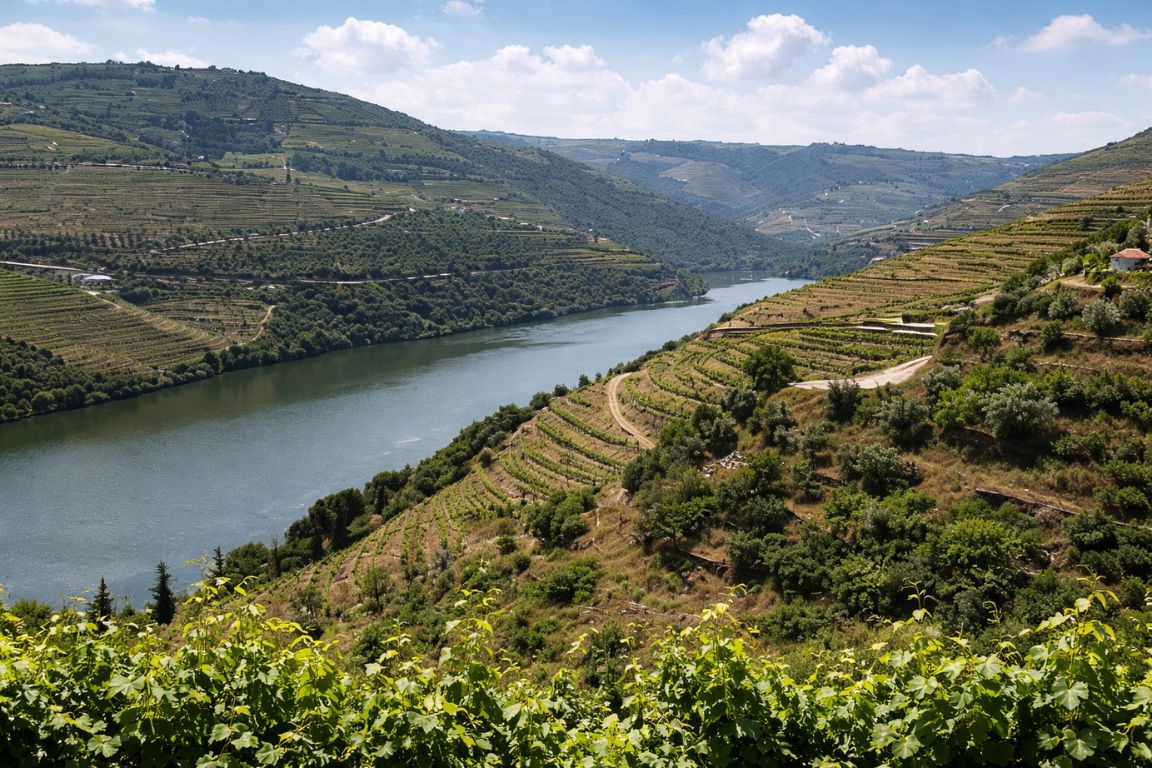 Porto’s weather matters most for the Douro Valley portion of your trip. The city itself is mild enough year-round that cellar visits in Gaia are weather-neutral. The valley runs significantly hotter than Porto in summer (up to 15°C difference) and cold and rainy in winter. Rain can cancel Douro river cruises. Summer heat makes midday vineyard visits uncomfortable. The best weather window for the complete Porto wine experience is May through early June and September through October.
The Atlantic position keeps Porto from the extremes that hit much of Portugal. Snow is genuinely rare, the last significant snowfall was in 1983. Temperatures below freezing are uncommon. The rain, which is frequent from October to May, comes in patterns of frontal weather that tend to last a few days rather than setting in permanently. Porto in November can give you three grey rainy days followed by a bright clear week. It does not rain every day in winter.
The valley’s relationship with weather is more complicated. The serra (mountain range) east of Porto acts as a barrier that traps Atlantic weather on the coast and creates a separate continental climate in the valley interior. On days when Porto is overcast and damp, the valley is sometimes sunny and warm. On days when the valley is at 40°C in July, Porto is 25°C with a sea breeze. This inversion is worth knowing because it means a cold grey day in Porto does not automatically mean a bad day in the Douro.
The one real weather risk is river cruise availability. The Douro has seasonal high water in winter, and tour operators make decisions about cruise viability based on water levels and conditions. In January and February, some cruise schedules are suspended or shortened on days with significant rainfall or wind. If your trip depends on a Douro river cruise, confirm the operator’s weather cancellation policy before booking, and consider a shoulder season visit where this risk is lower.
If you’re trying to understand the wine scene, here’s our Porto wine tourism guide so you know which cellars to prioritize, what Port styles to try, and how tastings actually work.
What Do Experienced Wine Travelers Say About Timing Their Porto Trip?
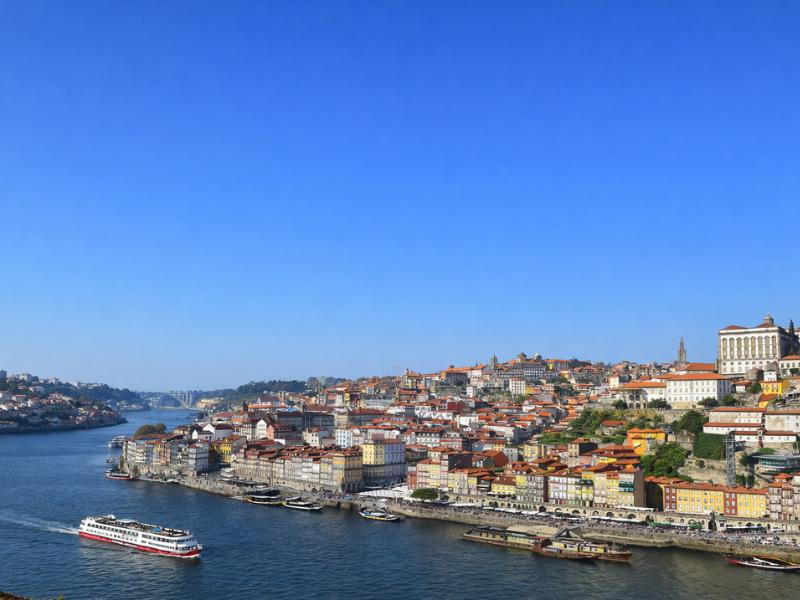
The clearest pattern across traveler feedback: people who visit in September and have planned far enough ahead consistently describe it as one of the best experiences of their wine travel lives. People who visit in July and August without booking in advance are the ones who describe crowded cellars, sold-out tours, and a valley that felt rushed. The planning gap, not the season, is what separates the two groups most of the time.
Travelers who visit in the shoulder months, particularly late October and early November, repeatedly express surprise at how much better the cellar experience was than they expected in a quieter period. The pattern is consistent: they arrived anticipating a compromise and left feeling like they had found the better version of the trip. A guide at a smaller house in October has time to explain how a Colheita Port is made and why a 1997 differs from a 2005. The same guide in August is managing groups of 30 on a 45-minute clock.
The other recurring observation from experienced wine travelers: do not let the heat warnings for July and August fully deter a Douro Valley visit. The right approach changes the experience completely. Arriving at a quinta before 10am means the terraces are cool and the guide is fresh. Most tasting rooms inside the estates are naturally cool even on 38°C days. The midday heat becomes a reason to linger inside a 200-year-old barrel room with a glass of aged Tawny, which is not the worst way to spend two hours.
From the social research and traveler feedback we collect across our 8,700 guests, one observation stands above the rest. The travelers who return to Porto are not the ones who came in perfect weather and found everything easy. They are the ones who went to the Douro Valley on a guided tour, sat at a table at a family quinta with a winemaker who had time to talk, drank wines they could not find elsewhere, and ate a lunch that had no business being as good as it was. That experience exists in every season. The season just changes how much planning you need to get there.
What Our 8,700 Travelers Tell Us About When to Visit Porto
We track what our guests tell us about their trip timing, what they would change, and what made the biggest difference to their experience. Here is what the patterns show.
| Most popular month among our booked traveler groups | September |
| % of travelers who said they wished they had visited during harvest season | 55% |
| % of summer travelers who said crowding affected their cellar experience | 40% |
| % of winter travelers who rated their cellar experience 5/5 | 85% |
| Months where Douro Valley day tours most commonly sold out before clients could book | June to September |
| Average advance booking lead time among our clients who described their experience as “exceeded expectations” | 8-10 weeks |
Frequently Asked Questions
What is the best month to visit Porto for wine tours?
May is the best all-round month: warm weather, green vineyards, full tour schedules, and prices below peak summer. September is the best month specifically for the Douro Valley harvest experience, but requires booking three to six months in advance for the best quinta visits and harvest packages.
Is Porto worth visiting for wine in winter?
Yes, for the right traveler. The Port wine cellars in Vila Nova de Gaia operate year-round and are at their most intimate from November through February. You get longer time with guides, smaller groups, and significantly lower prices. The trade-off is cold, wet weather and a quieter valley where some quintas reduce hours.
How far in advance should I book Porto wine tours?
For summer visits (July to August), book cellar tours at least four to six weeks ahead. For the Douro Valley in September and early October, book harvest experience packages three to six months out. Outside peak season, two to three weeks is usually sufficient for most experiences.
Is the Douro Valley too hot to visit in summer?
The upper Douro regularly exceeds 38°C in July and August, which makes outdoor vineyard activities uncomfortable in the middle of the day. The solution is early morning starts and treating the midday hours as cellar and tasting time. A pool at your quinta helps considerably. Summer in the valley requires planning but is not impossible.
When does the Douro Valley grape harvest happen?
The harvest (vindima) typically runs from mid-September to mid-October, though exact timing varies by year and by sub-region. Baixo Corgo begins earliest, sometimes late August. Cima Corgo peaks through September. The upper Douro can extend into October. For the fullest harvest experience, plan for the first two weeks of October in addition to September.
What is the cheapest time to visit Porto?
November is the cheapest month for hotel rates, with average prices around 30 to 40 percent below peak season. January and February are similarly priced. The low season for Porto hotels runs from mid-November through mid-March, excluding the Christmas and New Year period.
February suits an unhurried Port wine tour of three cellars in Gaia. September is when a Douro Valley tour from Porto needs the longest lead time, often three to six months for harvest-focused days.
Written by Mateo Oliveira Santos
Portuguese tour guide since 2014 · Founder, Porto Wine Tours
Mateo has guided over 8,700 travelers through Porto, the Douro Valley, and Portugal’s wine regions since founding the agency.