Porto Wine Harvest Season
Douro harvest season (mid-Sep to mid-Oct) is Portugal’s most vibrant time - grape picking, foot treading, and golden vineyards. Book 3-4 months ahead.
Booking Choice: For seasonal grape picking, check Sobre a Fonte’s vineyard-and-lunch programme near Régua. Standard Douro tours are alternatives for the landscape and wine; they do not promise picking or foot-treading. Explore Harvest Lunch At Sobre A Fonte
Last updated: April 12, 2026
At A Glance: The vindima usually centres on early autumn, but picking dates vary by estate and year. A standard wine tour does not automatically include harvest participation. Explore Harvest Lunch At Sobre A Fonte
Quick Summary The Douro Valley grape harvest, the vindima, runs from mid-September through mid-October and transforms the valley into the most alive version of itself. The terraced vineyards turn copper and gold, the air carries the sweet fermentation smell of freshly pressed must, and working quintas open their doors for grape picking and the unforgettable pisar uvas, foot treading in granite lagares. The best harvest dates cluster between September 15 and October 5. Book everything, accommodation, quinta experiences, restaurant tables, and Gaia cellar tours, at least 3 to 4 months in advance. September fills faster than any other month in the Portuguese tourism calendar.| Harvest season name | Vindima (Portuguese for grape harvest) |
| Typical harvest window | Mid-September to mid-October; white grapes often start late August |
| Peak harvest dates for visitors | September 15 to October 5 (most quintas active; landscape at visual peak) |
| Does harvest have a fixed start date? | No. Weather conditions each year determine the date; winemakers watch the grapes |
| Harvest experience price range | €150 to €250 per person for full-day picking, stomping, lunch, and tasting |
| Quinta do Seixo harvest experience | €250 pp; grape picking, lagare stomping, Port tasting, lunch at SEIXO restaurant |
| Quinta do Bomfim harvest viewing | September to early October; standard tours show active harvest in progress |
| Gaia cellar tours during harvest | September is peak season; book 4 to 6 weeks ahead; guides can discuss new vintage |
| Advance booking required | 3 to 4 months for accommodations; 4 to 6 months for exclusive harvest quinta programs |
| Prices verified | March 27, 2025 |
What Happens During the Porto Wine Harvest Season?
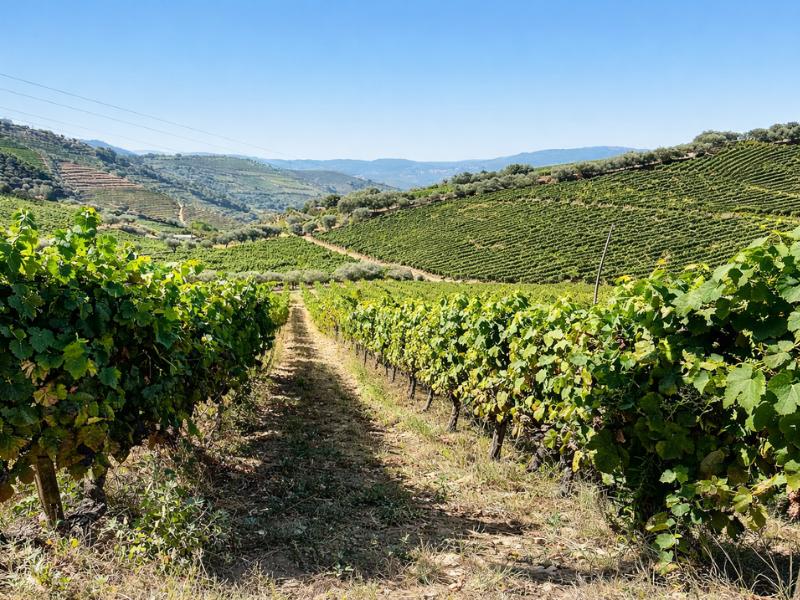
The vindima is the moment the Douro Valley has been building toward all year. Grape pickers arrive before dawn. The smell of ripe fruit spreads across the hillsides before the sun has climbed the terraces. Workers move in rows through the vines, cutting clusters by hand and filling baskets that are carried on their backs down to collection points. By evening, the lagares, wide granite stone tanks inside the quinta wineries, fill with grapes and the foot treading begins. Music plays. Feet turn purple. The must, sweet and thick and fermenting, climbs the calves of everyone in the tank. This is Port wine at its most fundamental moment.
The Portuguese word vindima translates as grape harvest, but the word alone does not carry the weight of what the season actually means in the Douro. This is a valley that was shaped by human labor over two thousand years. The terraced hillsides did not occur naturally. They were carved from schist rock by generations of workers who broke the stone into retaining walls and filled the flat surfaces with thin topsoil, then planted vines that would drive their roots down into the rock in search of water. Every bottle of Port that exists in the world started with that labor. During the vindima, visitors witness the living continuation of it.
The harvest is not just activity. It changes the sensory character of the valley entirely. In spring and summer, the Douro is spectacular but quiet. The terraces are green or sun-burned. The quintas run tours but the core work of the year has not yet arrived. In September and October, something shifts. The air carries fermentation. The roads have tractor traffic hauling harvested grapes. Every quinta has workers. The restaurants in Pinhao and Regua fill with a combination of tourists and the actual harvest workforce, sharing tables and wine at long communal lunches. Visitors who have been to the Douro in other seasons consistently describe the harvest as the moment the valley felt like a place where something was genuinely happening, rather than a beautiful landscape to observe.
The lagar stomping specifically, the pisar uvas, deserves its own description. Participants wash their feet and step into a granite tank of freshly harvested grapes. A guide sets the rhythm. The first stage is disciplined: a line of stompers moving methodically from one end of the tank to the other, breaking the grape skins without crushing the seeds, which would add bitterness. After the first hour, the rhythm loosens. Someone starts singing. Arms go around shoulders. The must rises above the ankles. The scent of grape juice and the beginning of fermentation is overwhelming in the best way. When visitors describe this as one of the most memorable experiences of their lives, they are not overstating it. There is nothing else quite like it.
We’ve been running harvest season experiences in the Douro Valley since 2014, with access to participating quintas and private programs that fill months in advance. Our team at Porto Wine Tours handles the logistics so the day stays focused on the wine and the valley.
Timing can enhance your wine experience. The best time to visit Porto wine tours depends on whether you want grape harvest season in the Douro, pleasant weather for cellar walks, or fewer tourists crowding the Gaia lodges.
When Exactly Is the Harvest in the Douro Valley?
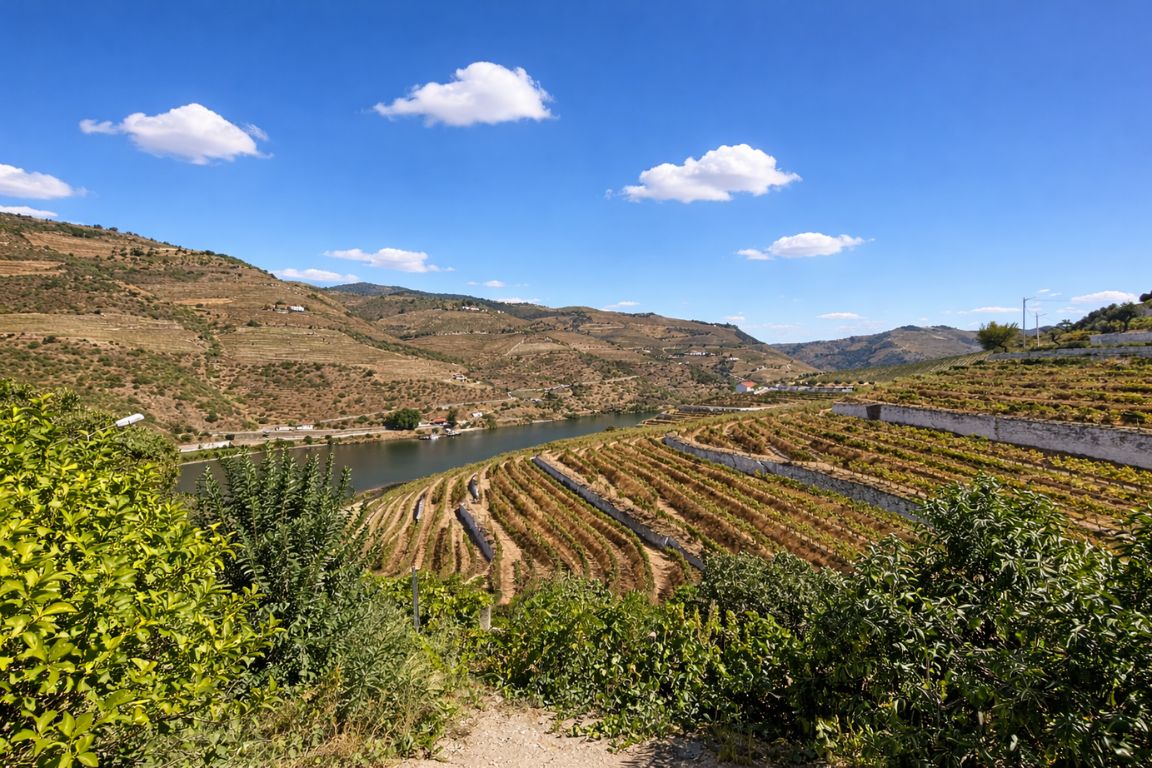 The harvest has no fixed calendar date. Each year, winemakers decide when to pick by reading the grapes: their color, how easily they detach from the bunch, the sugar level in the must, the balance of sweetness and acidity. White grape varieties typically begin in late August or the first days of September. Red varieties, which need more time to develop phenolic maturity, generally follow in mid-September. Most quintas complete their harvest by mid-October, though cooler higher-altitude sites can push into late October. The sweet spot for visitors is September 15 to October 5.
Climate change has made the Douro harvest window harder to predict than it was a generation ago. There have been recent years where early August heat accelerated ripening to the point where the first picking began in the last week of August. There have been cooler years where the bulk of the harvest ran into early October. The old Portuguese proverb “Agosto madura, setembro vindima” (August ripens, September harvests) is less reliably true than it used to be. What has not changed is that the decision to pick is still made by the winemaker walking the rows and tasting the grapes, not by a schedule.
For visitors planning travel around the harvest, the practical implications are significant. You cannot book a ticket for the precise day the harvest begins at the specific quinta you want to visit. What you can do is book within the September 15 to October 5 window with a reasonable expectation that most quintas offering harvest programs will have some picking activity happening on or near your visit. The dedicated harvest day programs, which are pre-booked and run on fixed dates, are set by each quinta before the season based on their picking schedule. Quinta do Seixo, for example, typically schedules its exclusive harvest experiences on two specific Saturdays in September.
| Late August to Sept 5 | White grape harvest begins at lower-altitude, hotter sites | Early activity visible; fewer dedicated harvest programs running |
| Sept 5 to Sept 15 | Red grape harvest builds; earliest Port varieties begin | Harvest energy rising; some quinta programs starting; roads busier |
| Sept 15 to Oct 5 | Peak harvest across Cima Corgo (Pinhao area); lagare stomping nightly | Best window. Full activity, best light, all harvest programs running |
| Oct 5 to Oct 20 | Harvest winds down; late-ripening varieties still active; vine leaves turning | Autumn color begins; fewer crowds; some programs still running; quieter atmosphere |
| Late October onward | Harvest complete; vineyards empty; leaves turning copper and crimson | Most beautiful visual month; no picking activity; quieter; cooler; lower prices |
Timing verified based on multi-year harvest patterns. Exact dates vary annually with weather conditions.
One detail that does not change year to year: the second and third weeks of September are the most concentrated period of harvest activity across the Pinhao area, the geographical heart of Port wine production. If the trip can only happen once, and the harvest experience is the reason for it, target September 15 to 25. This window captures the peak energy of the vindima with the added benefit of summer temperatures that are beginning to ease. August in the Douro can reach 40°C. By mid-September, the highs are typically 28 to 33°C with cool evenings. The light is different too. The September angle of the sun on the terraced hills produces the amber warmth that makes every photograph of the Douro look like it was taken during golden hour.
We’ve detailed Douro Valley day trip from Porto wine tours because this full-day commitment requires planning – choosing between boat cruises, train journeys, or van tours affects your entire experience and what vineyards you visit.
What Can You See and Do During Harvest Season?
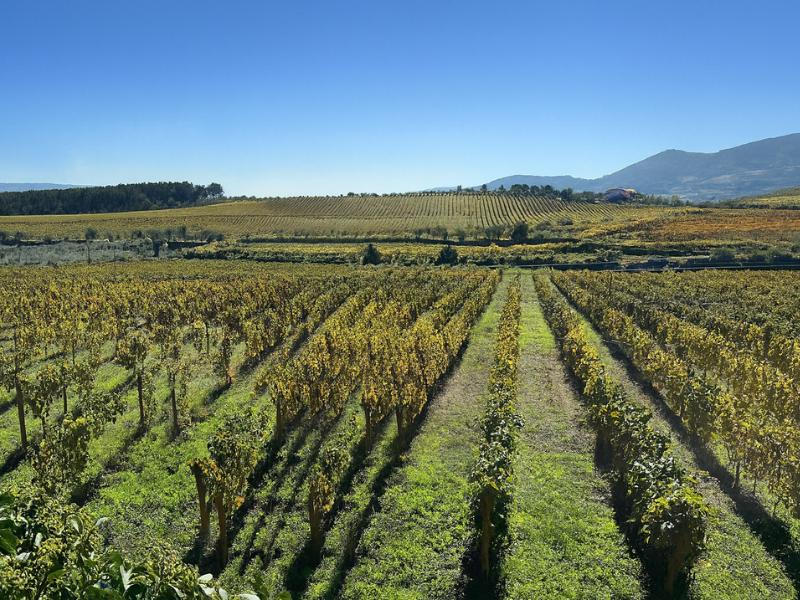
During harvest season, the Douro Valley offers experiences unavailable at any other time of year: watching or joining the actual grape picking on working quinta hillsides, tasting unfermented must straight from the press, witnessing the nightly lagar stomping at estates that still practice it, eating the specific harvest food (roasted meats, bean stews, communal tables) that only appears during the vindima, and seeing the full winemaking cycle from picked grape to fortified wine over the course of a single day. The valley’s beauty is at its peak and the sense of connection to a centuries-old tradition is unlike anything a cellar tour can replicate.
The must tasting is something most visitors do not know to ask for and should. Must is the freshly pressed grape juice before it has completed fermentation. At an active quinta during harvest, it is available at every stage of fermentation: sweet and grape-forward on the first day, growing more complex and starting to show alcohol by day three, fully transformed into young wine by day four. Tasting the same liquid across those stages, at a quinta where you have just watched the grapes come in off the hillside, makes the wine in the bottle at the end of the process feel like something you understand rather than something you simply drink. Guides at harvest-program quintas typically offer must tasting as part of the day.
The harvest food is a separate pleasure. The traditional vindima lunch is not a restaurant experience. It is a long table set up in the quinta’s courtyard or a pavilion near the lagares, laden with whatever the kitchen produced from the estate’s kitchen garden and the local butcher. Roasted kid goat is the classic main course. Feijoada transmontana, a white bean stew with smoked meats, appears at nearly every harvest table in the valley. The bread is baked that morning. The wine is the estate’s own, usually the previous year’s red alongside the house White Port as an aperitif. The communal character of these lunches, sharing a table with workers who have been in the vineyard since dawn and fellow visitors who arrived from London or São Paulo or Tokyo, creates a particular quality of warmth that comes directly from the context.
The Douro Museum in Peso da Régua is worth half a day during the harvest period specifically because the context of visiting a working winemaking region makes the museum’s documentation of how this landscape was built and used over centuries feel alive rather than archival. The museum sits in a converted railway station warehouse and covers the history of the Douro region, the Port wine trade, and the people who shaped both. An hour there before visiting a quinta deepens everything that comes after.
Recommended tours by season
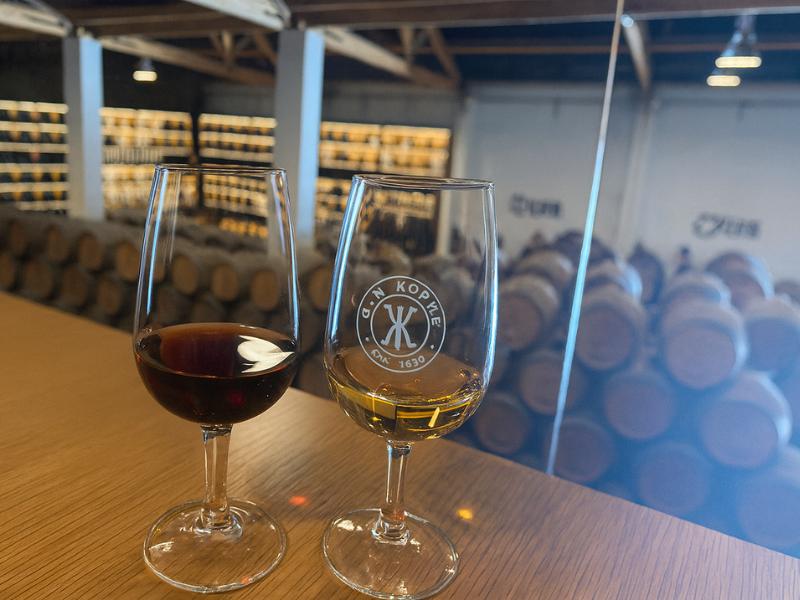
Douro Valley Tour from Porto – Boat Trip, Wine Tasting + Lunch
Harvest window (mid-September to mid-October). A 10-hour day from Porto with a boat trip, wine tasting, and lunch.
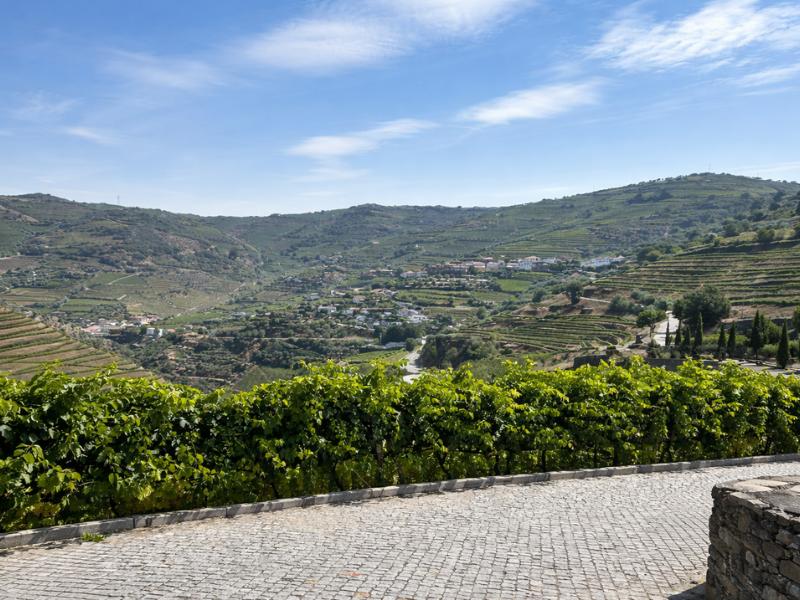
Douro Valley 3-Vineyard Tour with Wine Tastings and Lunch Included
October and late harvest. Three vineyard tastings and lunch on a 10-hour day, after most picking programs have closed.
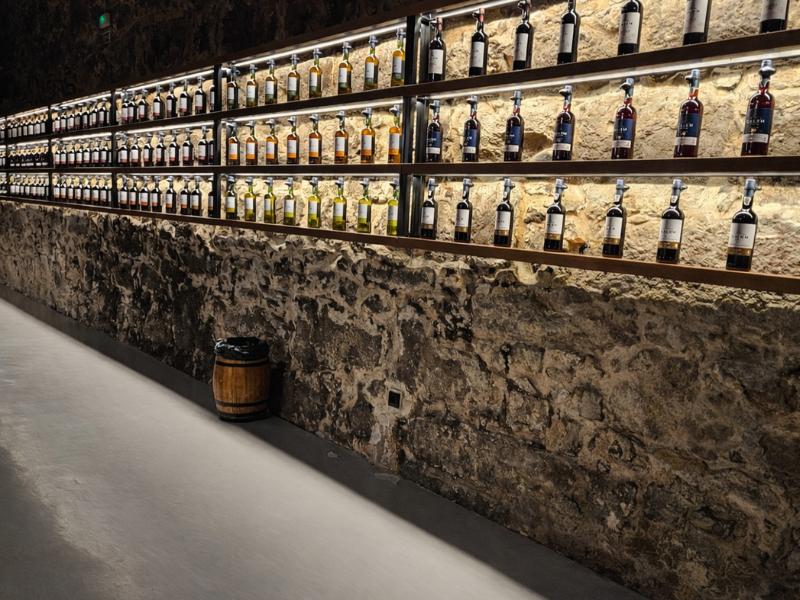
Port Wine Cellars of Gaia Tour with 7 Tastings – English Guided
Year-round, including winter. Three hours in the Gaia lodges with seven tastings, guided in English.
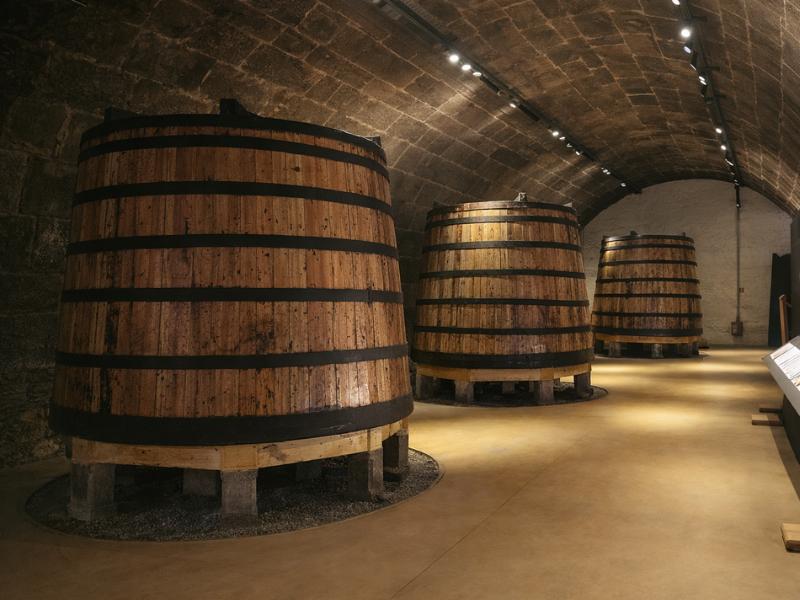
Best Porto Wine Walking Tour – 9 Tastings of Port & Douro Wines
Any season in the city. Nine Port and Douro tastings on a three-hour walk for the days you are not in the valley.
Which Quintas Let You Participate in the Harvest?
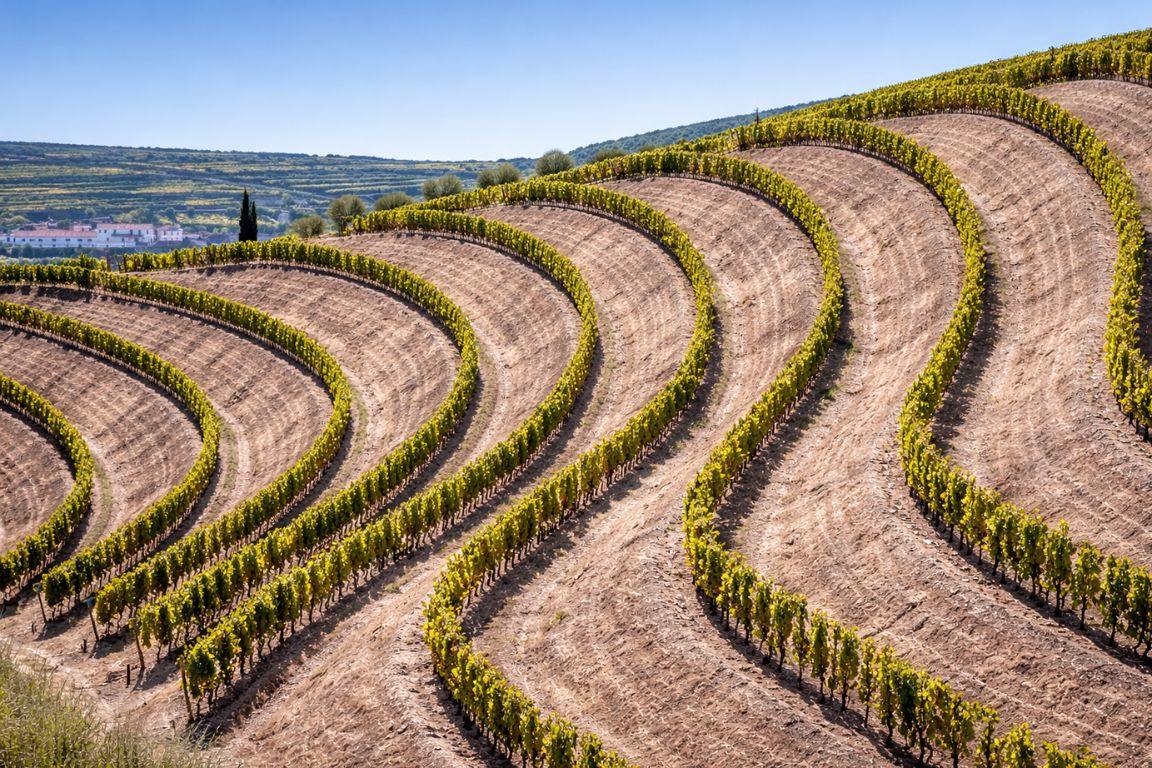 Several quintas in the Pinhao area offer structured visitor harvest experiences that include grape picking, lagar stomping, lunch, and wine tasting. Quinta do Seixo (Sandeman) runs dedicated harvest days with grape picking, stomping, Port tasting, and lunch at the SEIXO restaurant by Chef Vasco Coelho Santos for €250 per person. Quinta da Roêda (Croft) offers stomping in traditional lagares alongside workers. Quinta da Pacheca runs full-day harvest programs near Regua. Quinta das Carvalhas and Ventozelo Hotel both offer immersive harvest experiences that include meals with estate wines. All require advance booking, several months ahead for the most popular dates.
| Quinta do Seixo (Sandeman) | Grape picking, lagare stomping, Port tasting, gourmet lunch at SEIXO restaurant | €250 pp | Near Valença do Douro; car or guided tour |
| Quinta da Roêda (Croft) | Harvest tour including lagar stomping, estate tasting, picnic option | Contact quinta | ~1 mile from Pinhao; walkable or taxi |
| Quinta da Pacheca | Full-day harvest: picking, sorting table, stomping, harvest lunch with wine pairing | Contact quinta | Near Regua; car or guided tour |
| Quinta das Carvalhas | Harvest experience with viticultural manager; grape picking, lagar stomping, harvest lunch, 360° view | Contact quinta | Hilltop above Pinhao; taxi or car |
| Ventozelo Hotel & Quinta | Authentic harvest day: Bedford and Jeep transport, picking, stomping, traditional lunch at Cantina de Ventozelo | Contact quinta | Near Pinhao; taxi from station |
| Quinta do Bomfim (Dow’s) | Standard tours during harvest show picking activity firsthand; modern automated lagares on view | From €30 pp | 5-minute walk from Pinhao station |
| Quinta do Tedo | Full-day experience with one of the owners; picking, lunch, afternoon stomping; one date in September | Contact quinta | Near Tua; car required |
Prices and programs verified March 27, 2025. Contact individual quintas for current season dates and availability.
One thing worth understanding about the harvest experience at any quinta is that participation is physical. Grape picking means spending two to three hours in a vineyard on a September morning, working on terraces that slope at steep angles, reaching into vines with scissors and filling a heavy basket. The work is not dangerous or technically difficult, but it is work. Visitors who arrive expecting a leisurely walk through photogenic vines sometimes find the reality more demanding than anticipated. Quintas provide hats, T-shirts, and scissors. Wear closed-toe shoes with grip. Bring sunscreen and drink water before you begin. The reward for the physical effort is genuine: by the end of the picking session, the grapes you cut are being weighed at the collection point and that evening they will be in the lagar. The connection between what you did that morning and what is becoming wine by nightfall is not abstract.
Harvest programs at the best quintas sell out months ahead. We maintain relationships with properties that do not list their harvest experiences on public booking platforms. Let us take care of yours.
If you’re trying to understand the wine scene, here’s our Porto wine tourism guide so you know which cellars to prioritize, what Port styles to try, and how tastings actually work.
How Does the Harvest Affect the Cellars and Tours in Gaia?
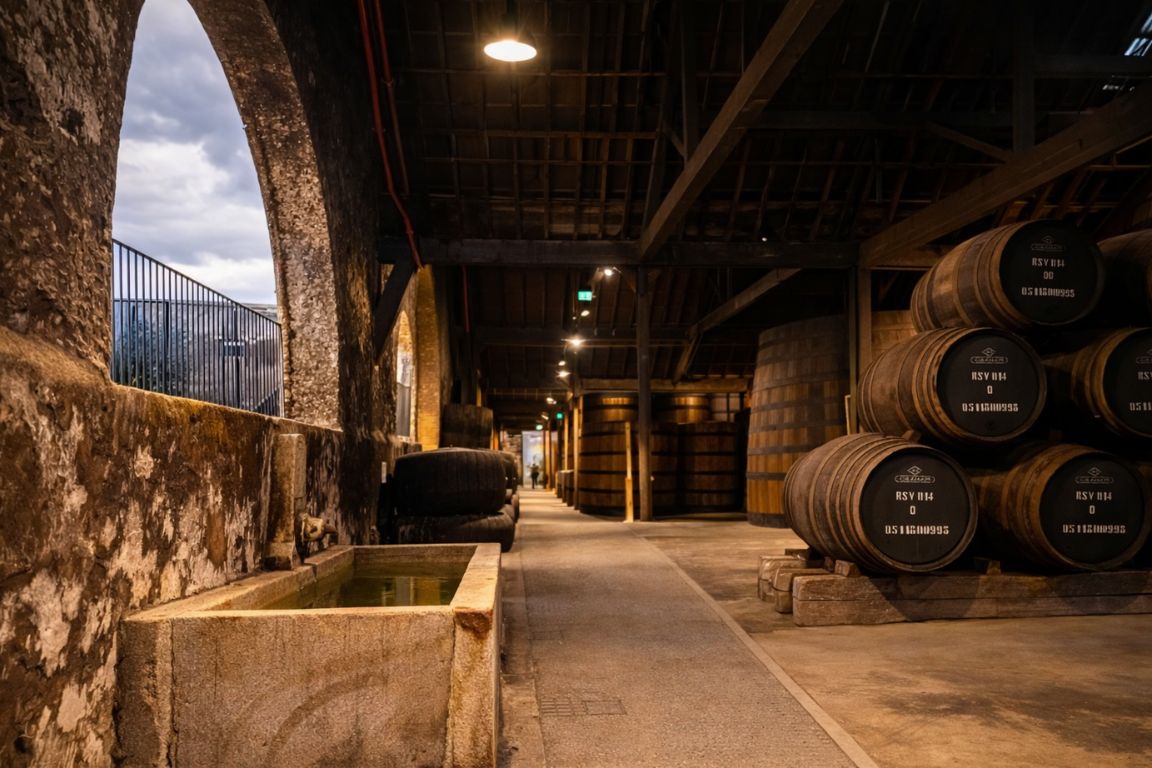 September is the busiest month in Gaia and the most expensive. Cellar tours sell out further in advance than any other month. The harvest does not directly affect what happens inside the cellars, since the Gaia lodges age wines that were produced in previous years, not the current vintage. But harvest season adds an important layer to what cellar guides can discuss: the new vintage is being made right now, 90 minutes upstream, and the wines currently being fortified and put into barrel will appear in the cellar in a year or two. Visiting the cellars and the valley in the same week gives the Port wine story a beginning, middle, and end that no single experience alone provides.
The practical advice for harvest season cellar visits is straightforward: book the specific tour time and date you want 4 to 6 weeks before arrival. For premium experiences like Graham’s Vintage Room tasting or Niepoort’s appointment-only visits, book earlier. September Saturdays and Sunday afternoons at the popular waterfront cellars are the first to disappear. The Tuesday to Thursday slots in the first half of the week remain more available for longer into the season.
There is a specific conversation that cellar guides can have in September and October that they cannot have at other times of year. When you stand in front of a 40-year Tawny during harvest season and the guide talks about what the winemaker is doing right now in the Douro, tasting must, deciding which lots have the quality for Vintage declarations, moving new wine into young barrels, the abstract language of Port wine aging becomes concrete. The wine in your glass was someone’s harvest once. Right now, somewhere in the valley, the wine that will become the next great Vintage Port is being fermented. That layer of meaning is only available in September and October.
A harvest season visit to Porto that combines one or two days in the Gaia cellars with one or two days in the Douro Valley experiencing the actual harvest creates what winemakers and wine educators call vertical comprehension of Port wine. You see the beginning and the end in the same week. The smells are linked. The grape varieties your guide mentioned in the cellar are the ones you helped cut from the vine. This is the combination we recommend above all others for any traveler who wants to understand Port wine rather than simply taste it.
Need solid recommendations? Here are the best Port wine cellars in Porto wine tours that consistently get it right – from historic lodges to smaller producers with exceptional tastings.
Where Should You Stay During Harvest Season?
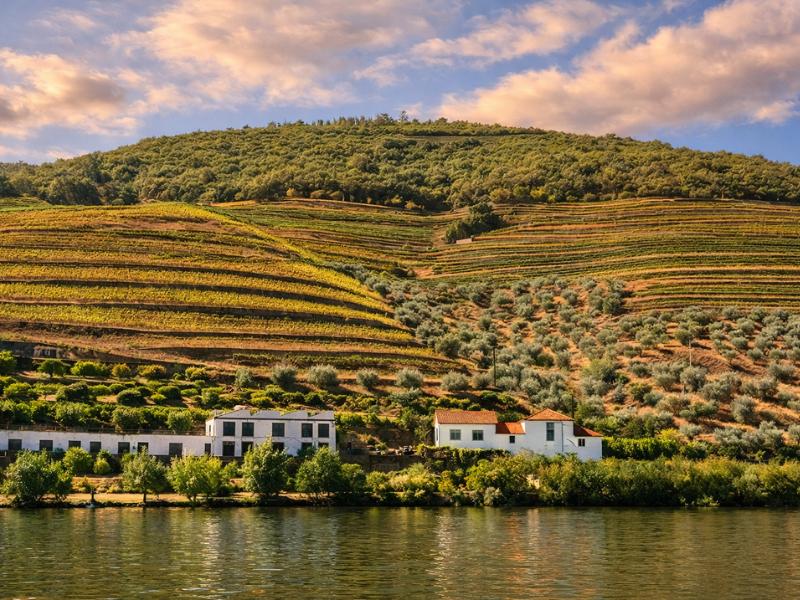
For harvest season, base yourself in Pinhao or at a quinta near Pinhao rather than commuting daily from Porto. Pinhao is the geographical center of the harvest action, surrounded by the most active quintas, served by the scenic train, and home to the best harvest-season restaurants. The Vintage House Hotel on the Pinhao riverfront is the main accommodation in town. For a more immersive experience, staying at an active quinta, Ventozelo, Quinta de la Rosa, or Quinta da Côrte, places you inside the harvest rather than adjacent to it. Book 3 to 4 months ahead for mid-September; some quintas require booking 6 months in advance.
The argument for basing in the valley rather than Porto during harvest is more compelling in September than any other month. The harvest day programs typically start early in the morning, often before 9am, at quintas that require 20 to 40 minutes of driving on narrow mountain roads from Pinhao. Going back and forth from Porto to Pinhao each day for a harvest program adds 3 hours of round-trip driving. The day itself is already long, the wine is already flowing by noon, and the roads back are steep and winding. An overnight stay at a quinta or in Pinhao means waking up in the valley, walking to the lagares before breakfast if you want to see the night-shift finishing, and ending the day on a terrace with the harvest activity still visible on the hillsides across the river.
The Vintage House Hotel in Pinhao has a specific Romantic Experience package designed for harvest season that includes a vineyard picnic at Quinta da Roêda with welcome Croft Pink Port, room arrival with sparkling wine and Port truffles, and late checkout. This is one of the more practical ways to build a harvest-focused stay with amenity around the wine experience rather than simply beside it. The hotel’s riverside location means the Pinhao boat cruises and the Quinta do Bomfim walk are both five minutes from the lobby.
Ventozelo Hotel and Quinta, perched above Pinhao with an infinity pool and spectacular views, runs its own harvest program on-site and is consistently the accommodation most cited by experienced Douro travelers for harvest-season stays. You wake up in the vineyard, eat at the cantina with estate workers, and the harvest context never leaves. It is the closest thing the valley offers to the harvest immersion experiences of traditional wine education programs. Book as far ahead as possible; the harvest season occupies every room from mid-September onward.
What Our 8,700 Travelers Tell Us About Harvest Season Visits
Over a decade of guiding travelers through the vindima, specific patterns have emerged around what makes harvest season trips exceptional versus what leaves visitors wishing they had planned differently.
| % of harvest visitors who described lagar stomping as the best experience of the entire trip | 76% |
| Most common regret among harvest visitors | “Booking a ‘demonstration’ rather than a real working harvest” |
| % of guests who stayed in the Douro Valley overnight vs. commuted from Porto | 65% Overnight / 35% Commute |
| Ideal harvest trip length cited by 5/5 guests | 6 Nights: 2 in Porto + 4 in the Douro Valley |
| % who said October surprised them more than September with autumn color | 58% |
| Average lead time for harvest quinta program bookings among guests who secured their preferred experience | 5-6 months ahead of visit |
What Do First-Time Harvest Visitors Get Wrong?
The most consistent mistakes: booking accommodation and quinta programs too late and settling for whatever remains in September rather than what they actually wanted; expecting harvest season to be calm and intimate rather than the busiest and most expensive month of the Douro tourism calendar; not building in at least one overnight in the valley and exhausting themselves with daily drives from Porto; arriving in the vineyard underprepared for physical work and September heat; and missing October, which delivers most of the harvest beauty, all of the autumn color, and considerably fewer crowds.
The booking timeline failure is by far the most common. Among travelers who contact us in July or August asking about harvest programs in September, the honest answer is that the best programs are already full. Quinta do Seixo’s harvest days are typically sold out four to five months before the season. Quinta da Pacheca’s full-day programs fill by late spring. The Vintage House Hotel in Pinhao, the most convenient harvest-season accommodation in the valley, books out well into September within weeks of the calendar turning. Travelers who plan their harvest trip the way they plan a spring or summer visit, booking a month or six weeks ahead, discover that the specific experiences they came for are unavailable.
The expectation problem is different. Many first-time harvest visitors imagine a peaceful, bucolic experience: small groups of workers moving through photogenic vines, a leisurely harvest lunch, an unhurried stomping session. The reality is that the Douro in September is working. There are trucks on the narrow roads moving harvested grapes. The quinta teams are fully occupied with the most labor-intensive and time-critical work of the year. Hotel staff are managing maximum occupancy across the same two or three weeks. Restaurants in Pinhao and Regua are at full capacity. The energy is extraordinary but it is not peaceful. Visitors who embrace this, who want to feel the harvest in its full intensity, describe it as the best travel experience of their lives. Visitors who expected the quiet Douro of April or November sometimes find September overwhelming.
The October option is one of the best-kept secrets in Douro Valley tourism. By the first week of October, the peak harvest activity at most quintas has wound down. The bulk of the picking is done. The lagares are in their final days of activity. The crowds thin noticeably. Hotel prices drop back toward their shoulder-season rates. And the valley itself begins its most visually spectacular transformation: vine leaves turning from green through yellow to copper and deep crimson, the schist walls glowing in the lower autumn light, the air cooler and cleaner. The Douro in late October is, by the assessment of many experienced wine travelers, more beautiful than the Douro in September. It is also 40 to 50 percent less crowded and 20 to 30 percent cheaper to visit.
The physical preparation point matters more than most travel guides acknowledge. The Douro terraces are steep. The September sun in the valley routinely reaches 30 to 33°C by mid-morning. Harvest programs begin early specifically to work in the cooler hours, but the work itself is not light. Bringing a hat, closed-toe footwear with grip, sunscreen applied before you leave the hotel, and drinking a full bottle of water before entering the vineyard will make the morning meaningfully more comfortable. Most visitors who pushed themselves through discomfort in the vineyard describe it as worth it. A few who arrived underprepared wished they had spent the morning at a quinta doing a standard tasting instead.
First time visiting Portugal’s wine capital? Here’s how to plan a trip to Porto wine tours so you don’t show up unprepared for the cellar tour system or miss out on Douro Valley opportunities.
Frequently Asked Questions
When is the grape harvest in the Douro Valley?
The Douro Valley harvest, called the vindima, typically runs from mid-September through mid-October. White grape varieties often begin in late August. The peak window for visitors is September 15 to October 5, when the most quintas are actively harvesting and harvest programs are running. The exact start varies each year depending on weather and grape maturity.
Can visitors participate in the grape harvest?
Yes. Several quintas offer structured harvest visitor programs including grape picking and traditional lagar foot stomping. Quinta do Seixo, Quinta da Roêda, Quinta da Pacheca, Quinta das Carvalhas, and Ventozelo all run harvest experiences. Programs typically include a morning in the vineyard, lunch with estate wines, and an afternoon lagar stomping session. Prices range from around €150 to €250 per person.
What is lagar stomping (pisar uvas)?
Lagar stomping is the traditional practice of treading harvested grapes by foot in a granite stone tank called a lagar. Participants wash their feet, step into the tank of freshly picked grapes, and walk in a disciplined line to break the grape skins without crushing the seeds. It is typically accompanied by music and transforms into a social celebration after the first hour of methodical work. The feet turn purple and the sweet smell of fermenting must is overwhelming. Most visitors describe it as one of the most memorable experiences of their lives.
How far in advance should you book for harvest season?
At least 3 to 4 months ahead for quinta accommodations and harvest program participation. For the most popular quinta harvest experiences like Quinta do Seixo’s dedicated harvest days, book 4 to 6 months ahead. Porto cellar tours during harvest season should be booked 4 to 6 weeks ahead, with premium experiences like Graham’s Vintage Room requiring more lead time.
Is Porto worth visiting during harvest season even without going to the Douro Valley?
Yes. The Gaia cellars are at their liveliest in September. Cellar guides can contextualize the harvest in real time, discussing what the winemaking teams are doing right now in the valley. The Porto Tonico feels different when the season is active. That said, spending at least two days in the Douro Valley during harvest season, and preferably staying overnight there, transforms a Porto wine trip into something that a purely Porto-based visit cannot replicate.
Is October a good alternative to September for harvest visitors?
Yes, and significantly underrated. The tail end of the harvest runs into early October at many quintas. From mid-October onward, the picking is done but the valley delivers its most spectacular visual performance: vine leaves turning copper and crimson, golden light on the terraces, and cooler temperatures. October also brings noticeably fewer crowds and lower accommodation prices than the September peak.
Questions before you commit?
Mateo and the Porto Wine Tours team have been running harvest experiences since 2014 and know which quinta programs are worth the premium and which ones sell out first. Start here.
Written by Mateo Oliveira Santos
Portuguese tour guide since 2014 · Founder, Porto Wine Tours
Mateo has guided over 8,700 travelers through Porto, the Douro Valley, and Portugal’s wine regions since founding the agency.