Douro Valley Day Trip from Porto
The Douro Valley is 90 minutes from Porto and the best day trip in northern Portugal. Tours handle logistics, tastings, lunch, and river cruise - here’s how to go.
Booking Choice: A shared Douro day includes transport from Porto, tastings, lunch and a cruise. For a train-based plan, Quinta da Foz is a separate winery ticket starting in Pinhão. Explore Douro Wine, Lunch And River Cruise
Last updated: April 12, 2026
At A Glance: A Douro day from Porto is a full-day commitment. Decide whether your priority is winery time, a river cruise or an independent Pinhão visit before choosing transport. Explore Douro Wine, Lunch And River Cruise
Quick Summary The Douro Valley is 90 minutes from Porto by car and the single best day trip in northern Portugal. A guided group tour (€89 to €120) is the default right choice for most travelers: transport handled, two quinta visits with tastings, a long traditional lunch, and a one-hour river cruise included. The train is scenic and affordable (€12.20 each way to Pinhao) but leaves you dependent on scarce taxis to reach the quintas. Self-driving gives maximum flexibility but means someone in the group cannot drink. However you get there, go. The Douro is where Port wine actually begins, and seeing it in person changes the way you think about every glass you drink afterward.| Distance from Porto | ~97 km (60 miles) east; 90 min by car to Pinhao |
| Train (Sao Bento to Pinhao) | 2h 25min; €12.20 each way; 5 daily departures |
| Guided group tour price | €89 to €120 per person (transport, 2 quintas, lunch, river cruise) |
| Private tour price | €150 to €250 per person; from ~€490 for groups of 2 |
| Day trip duration | 9 to 10 hours including transport from Porto |
| Best departure time | Before 9am (guided tour); 9:20am train (self-guided) |
| UNESCO status | Alto Douro Wine Region designated UNESCO World Heritage Site 2001 |
| Best months | April to June; September to October (harvest) |
| Train service note | Line between Caide and Régua replaced by buses Nov 2025 to April 2026. Check CP (cp.pt) before booking. |
| Prices verified | March 27, 2025 |
Why Is a Douro Valley Day Trip Worth Your Time?
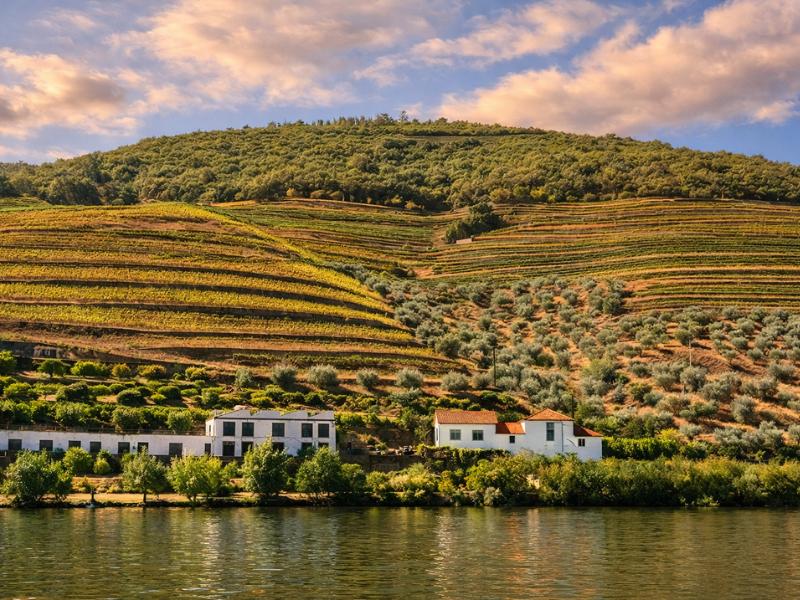
The Douro Valley is where Port wine actually comes from. The Gaia cellars in Porto age it; the Douro produces it. Visiting the valley connects the wine in your glass to the schist hillsides, the hand-picked harvest, the granite lagares, and the winemaking families who have been doing this work for generations. No cellar tour in Porto, however good, delivers that. The Douro is also one of the most dramatic wine landscapes on the planet, a UNESCO World Heritage Site, and genuinely unlike anywhere else in Europe.
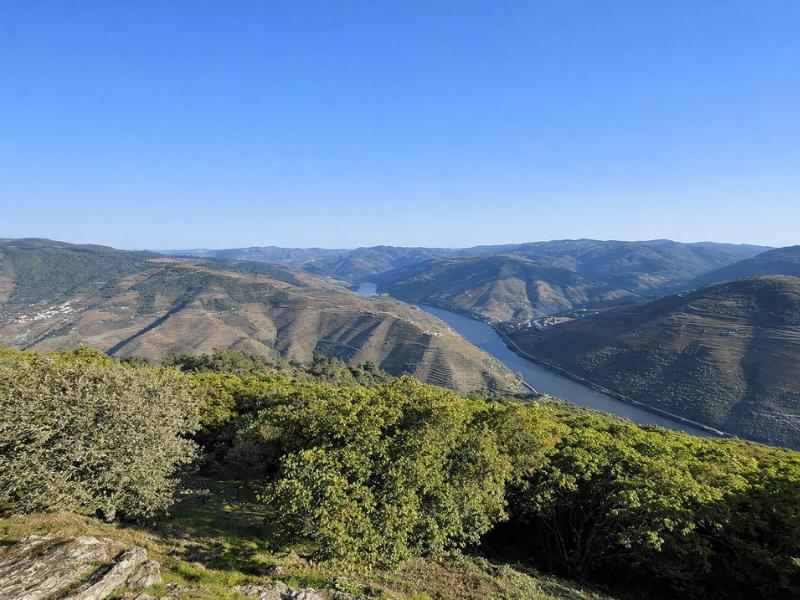
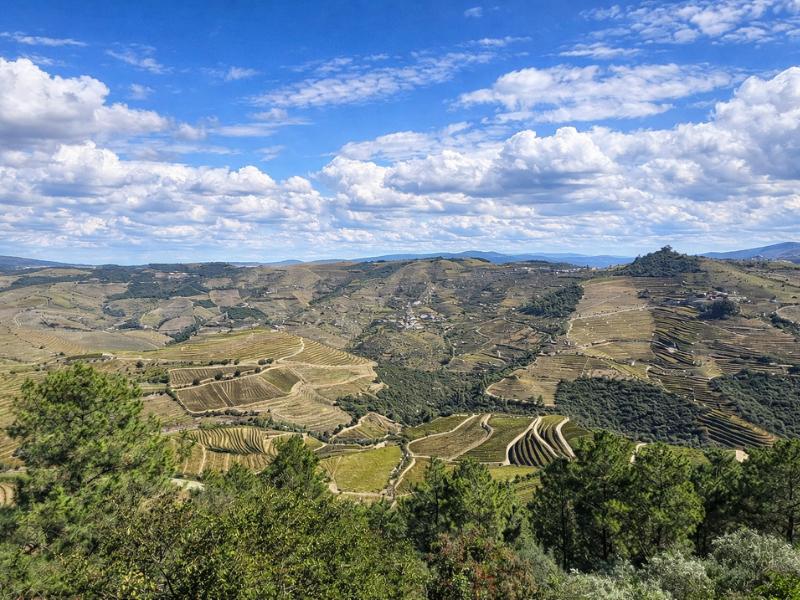
The word that travelers use most often to describe their first view of the valley is unexpected. They arrive knowing approximately what to expect from photographs and still find themselves unprepared for the scale of it. The terraced vineyards are not a gentle rolling countryside. They are steep and engineered, carved from schist rock by centuries of hand labor into horizontal bands that follow the hillsides down to the river. The river itself is wide and slow and blue-grey in the morning light. Standing at one of the high miradouros looking down into the valley, the combination of the scale, the silence, and the knowledge that this landscape has been producing wine for over 2,000 years produces a quality of feeling that is difficult to manufacture with any other day trip from any European city.
The wine argument compounds the visual one. The Douro Valley was the world’s first officially demarcated wine region, established by royal decree in 1756, predating Bordeaux’s classification by almost a century. The wines produced here, both the famous Port and the increasingly celebrated Douro DOC table wines, are made from native Portuguese grape varieties that grow nowhere else in quite the same conditions. A Touriga Nacional red from a good quinta, bought at the source for €15 to €25, is a wine that would cost three times as much in London if anyone imported it in meaningful quantity. The day trip delivers access to wines that do not reliably exist outside Portugal.
And the food. Lunch at a quinta in the Douro, with a view of the river and a glass of the estate’s wine alongside a plate of local bacalhau or roasted lamb, is the kind of meal that does not require a Michelin star to be memorable. The cooking in the valley is traditional, ingredient-driven, and anchored to the landscape in a way that tourist-facing restaurant meals rarely are. It is part of why the day trip tends to be what our travelers describe as the best day of their entire Portugal trip.
We’ve been running Douro Valley day trips since 2014, with access to family-run quintas that do not appear on standard booking platforms. Our team at Porto Wine Tours handles every detail so the day stays focused on the wine, the food, and the valley.
We’ve got types of Port wine explained in detail because walking into cellars without knowing ruby from tawny means you’re just guessing what to taste or buy.\
How Do You Get to the Douro Valley from Porto?
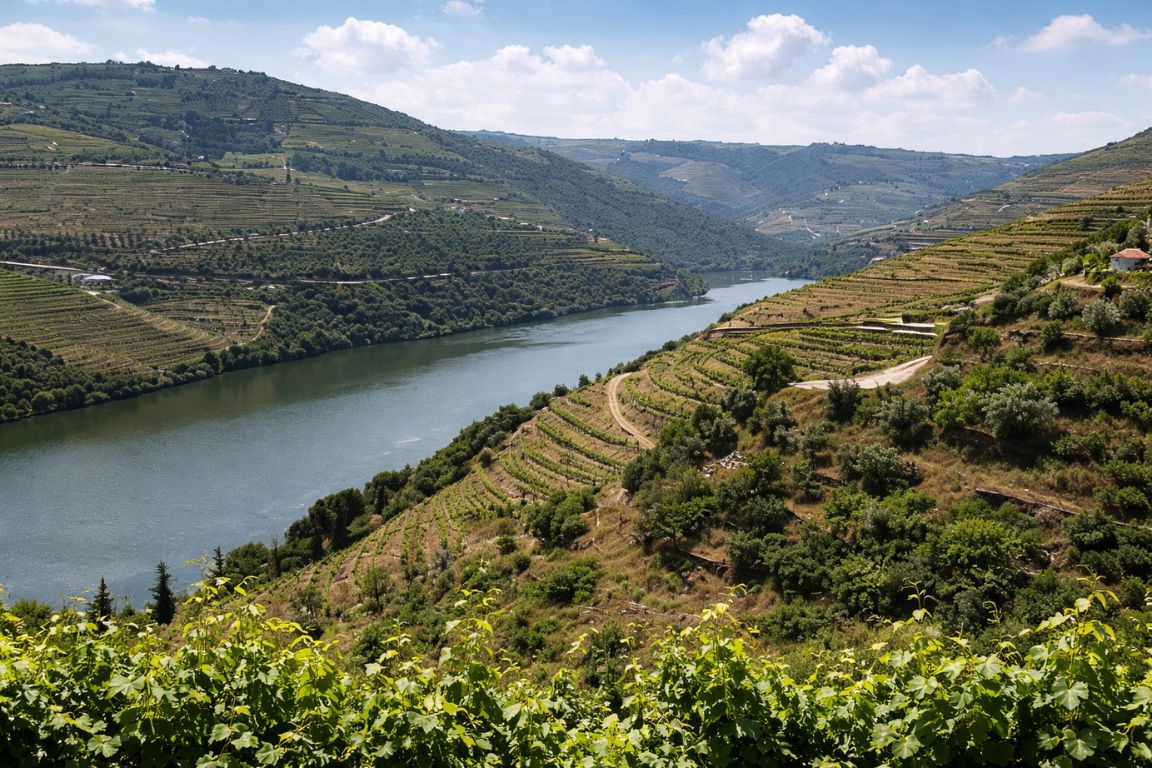 There are four practical options for reaching the Douro Valley from Porto: guided tour with minivan transport (the default choice for most travelers), the scenic train to Pinhao (affordable and beautiful but leaves you dependent on scarce taxis), self-drive (maximum flexibility but means someone cannot drink), and river cruise from Porto (all-day boat that is slower and misses the valley’s best scenery). For wine-focused day trips where you want to actually taste at multiple quintas, the guided tour wins almost every comparison.
The guided tour deserves its default status for a specific reason that is not usually stated clearly. The Douro Valley is not well served by taxis. Outside Regua and Pinhao, the road network is narrow, winding, and largely unfamiliar to anyone who does not live there. Most of the quintas worth visiting are not at train stations or on main roads. In October 2024, travelers arriving at Pinhao station reported finding only two or three taxis available for the entire Pinhao and Regua area. If you are planning to visit two quintas on a self-guided train trip, you are depending on arranging transport from each quinta afterward, which requires either the quinta to organize it for you or finding a local driver who happens to be available. In the valley in peak season, neither is guaranteed.
| Guided group tour | €89 to €120 pp | Low (set itinerary) | Yes, fully | Most travelers; value; no planning needed |
| Private guided tour | €150 to €250 pp | High (tailored route) | Yes, fully | Wine lovers, groups of 4+, serious tasters |
| Train (self-guided) | ~€25 to €35 pp all-in | Moderate (train schedule) | Yes, but limited quinta access | Budget travelers; scenery lovers; Pinhao on foot |
| Self-drive rental car | €50 to €80 pp (car + fuel) | Maximum | One person must stay sober | Experienced drivers; non-drinkers in group |
| River cruise from Porto | €80 to €120 pp | Very low (boat schedule) | Yes | Scenery focus; relaxed pace; not wine-focused |
Prices verified March 27, 2025
The train to Pinhao, currently €12.20 each way, is one of Europe’s genuinely great rail journeys and worth taking once on its own merits. The train leaves Porto Sao Bento station and follows the Douro River east from Pala, running close to the water for much of the journey after the first hour of suburban and agricultural countryside. Sit on the right side heading east. The most scenic section is between Regua and Pinhao, where the vineyards close in on both sides and the river is sometimes just meters below the tracks. Arriving at Pinhao station, with its famous azulejo tile panels depicting the harvest, is a genuine travel moment.
Important rail update for 2025 to 2026: the Douro line between Caide and Régua is operating with bus replacements from November 2025 through early April 2026 due to modernization works. Travel times are longer and unpredictable. Check cp.pt for current schedules before planning a train-based day trip during this period.
Self-driving works well if someone in the group is the designated non-drinker for the day, which is a significant constraint on a wine-focused trip. The roads in the valley, particularly the N-222 between Regua and Pinhao, which is regularly called one of the world’s most beautiful drives, are narrow, winding, and have minimal guardrails between the road and a long drop toward the river. Experienced drivers on European mountain roads will find them manageable. Drivers unfamiliar with this type of road find them stressful, particularly on the return in fading afternoon light.
Need help with logistics? Check out our breakdown on how to plan a trip to Porto wine tours – from navigating Vila Nova de Gaia’s cellars to timing Douro Valley excursions.
What Happens on a Guided Douro Valley Day Trip?
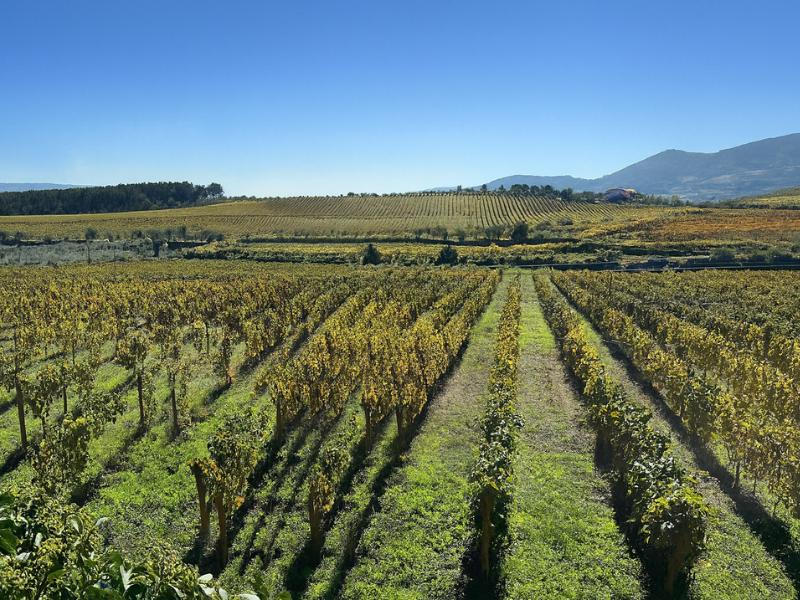
A standard guided Douro Valley day trip from Porto runs 9 to 10 hours and follows a consistent structure: hotel pickup in Porto before 9am, a 90-minute drive to the valley via scenic viewpoints, visits to two quintas with guided tastings, a traditional multi-course lunch at a winery or restaurant, a one-hour rabelo boat cruise on the Douro at Pinhao, and return to Porto by early evening. What distinguishes good tours from average ones is the quality of the quintas visited and the size of the group.
The departure time matters more than most travelers realize when booking. Tour operators who depart before 9am reach the valley ahead of the highway traffic and arrive at the first quinta when the winemaking team is fresh and the day has not yet been scheduled into rushed slots. Operators who depart at 9 or 9:30am typically arrive at the first quinta around 11am, which is manageable in shoulder season but can mean rushed tastings when the same estate has three group tours booked before noon in July or August.
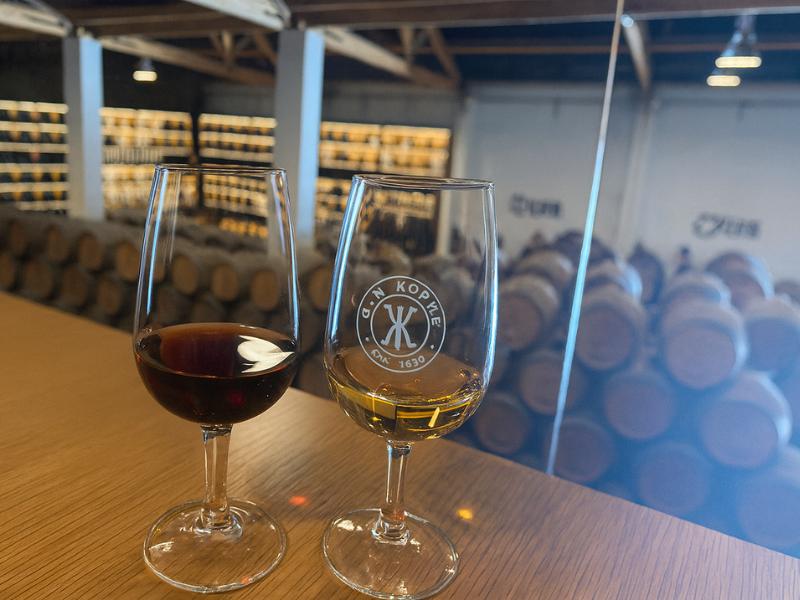
The first quinta visit typically starts with a walk through the vineyard or estate, giving context to the terraced landscape you have been watching from the van. A winemaker or trained guide then walks the group through the production process, from harvest through fermentation and fortification, before moving to a tasting of three to five wines. The wines on most group tours are the estate’s accessible range: a White Port, a Douro DOC red, and a Ruby or 10-year Tawny Port. Premium upgrades, where available, add older Tawnies or single-quinta Vintage declarations. The conversation around the tasting is where most travelers discover that Douro table wines, the unfortified reds and whites made from the same grape varieties as Port, are genuinely extraordinary and essentially unknown outside Portugal.
Lunch is the emotional center of the day. The best guided tours deliver a long, unhurried meal at a family quinta or winery restaurant, with house wines served throughout. Dishes follow the Douro’s traditional cookbook: bacalhau prepared several ways, roasted kid goat (cabrito), lamb slow-cooked with olive oil from the estate’s own trees, and desserts built around almonds and eggs. The meal typically runs 90 minutes to two hours, which sounds indulgent until you are sitting at a table with a view of the river, a glass of Douro red in hand, and no particular reason to be anywhere else.
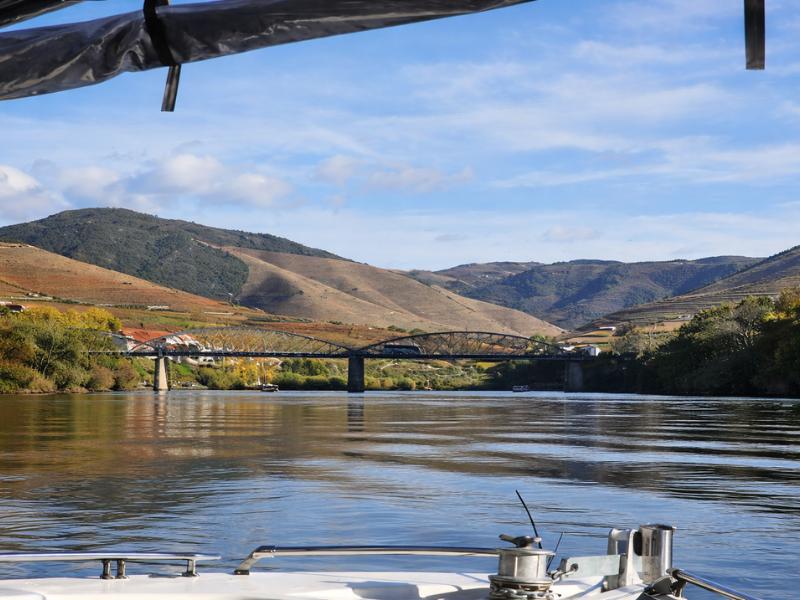
The Douro river cruise, usually departing from Pinhao’s small marina, is a one-hour boat ride up and then back down a stretch of the river in a traditional rabelo boat. The terraced hills look different from the water. The scale of the terracing is more apparent from river level than from any road viewpoint. The light in the afternoon, particularly in September and October, turns the schist cliffs amber and the river gold. This is often the moment travelers describe when they say the day exceeded their expectations.
Recommended tours by season
Douro Valley Full-Day Experience: Historic Sites, Wine, Lunch & Cruise
Historic sites, wine, lunch, and a cruise on a 10-hour day from Porto. Fits April to June, when the vineyards are green and the weather is mild.
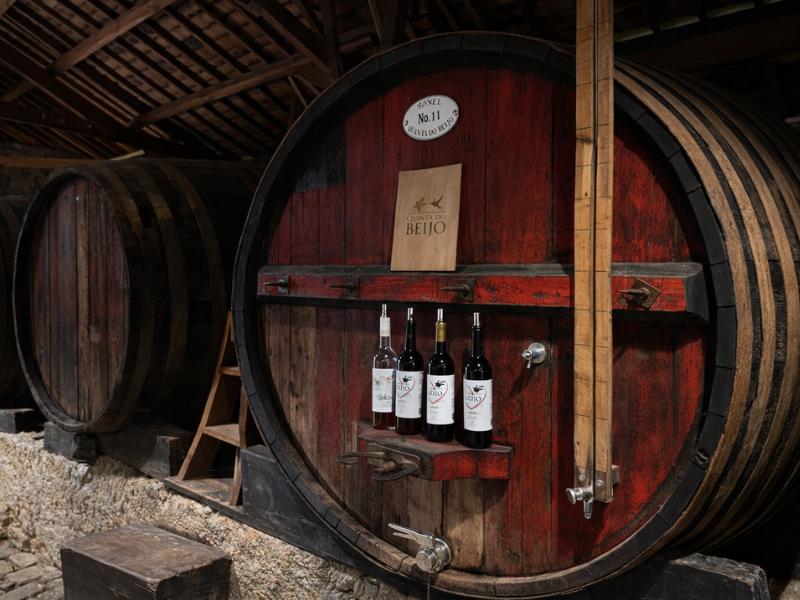
Douro Valley Small-Group Tour: Wine Experience, Lunch & Scenic Cruise
Small-group wine tasting, lunch, and a scenic cruise over 10 hours. A practical choice in July and August, when later arrivals can mean rushed tastings.
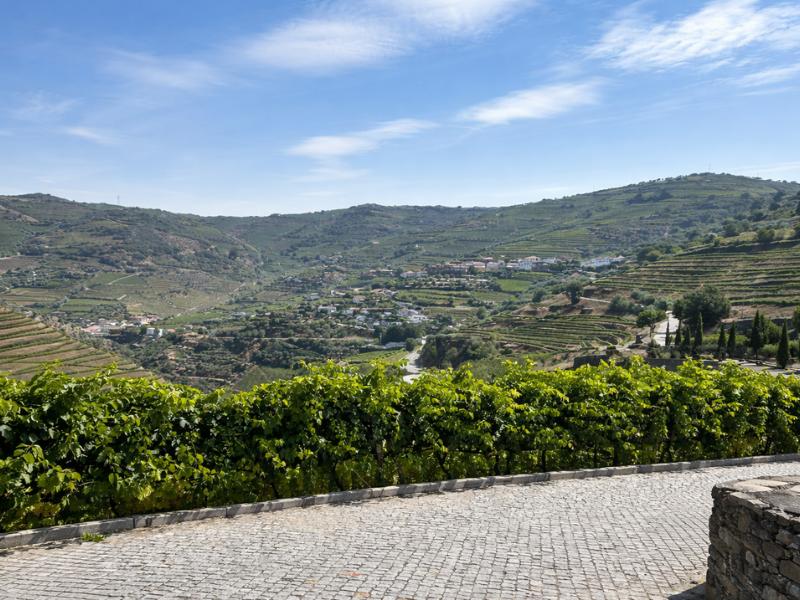
Douro Valley 3-Vineyard Tour with Wine Tastings and Lunch Included
Three vineyard tastings and lunch on a 10-hour day. Suited to September and October, the harvest months listed above.
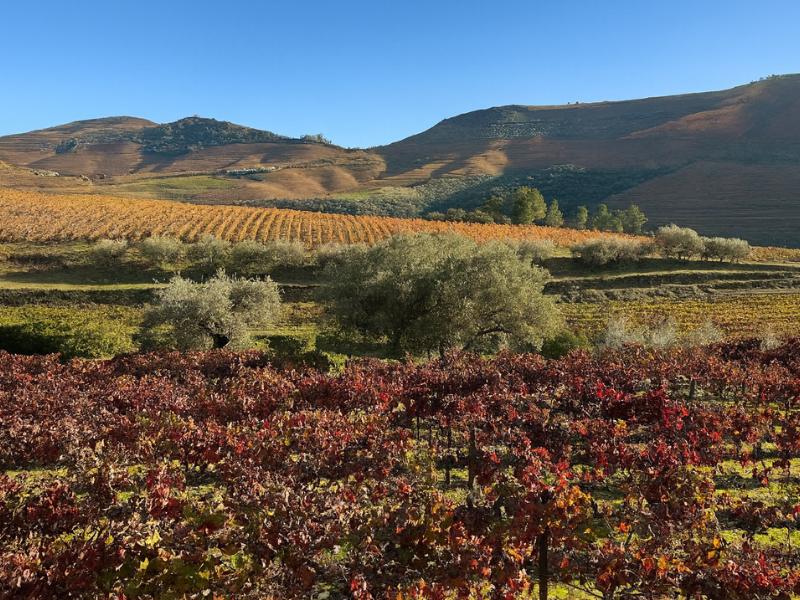
Full-Day Douro Valley Wine Tour with Lunch, Tastings & River Cruise
Lunch, tastings, and a river cruise with road transport from Porto. Useful while the Caide to Régua rail section runs on replacement buses.
What Can You Do on a Self-Guided Douro Valley Day Trip?
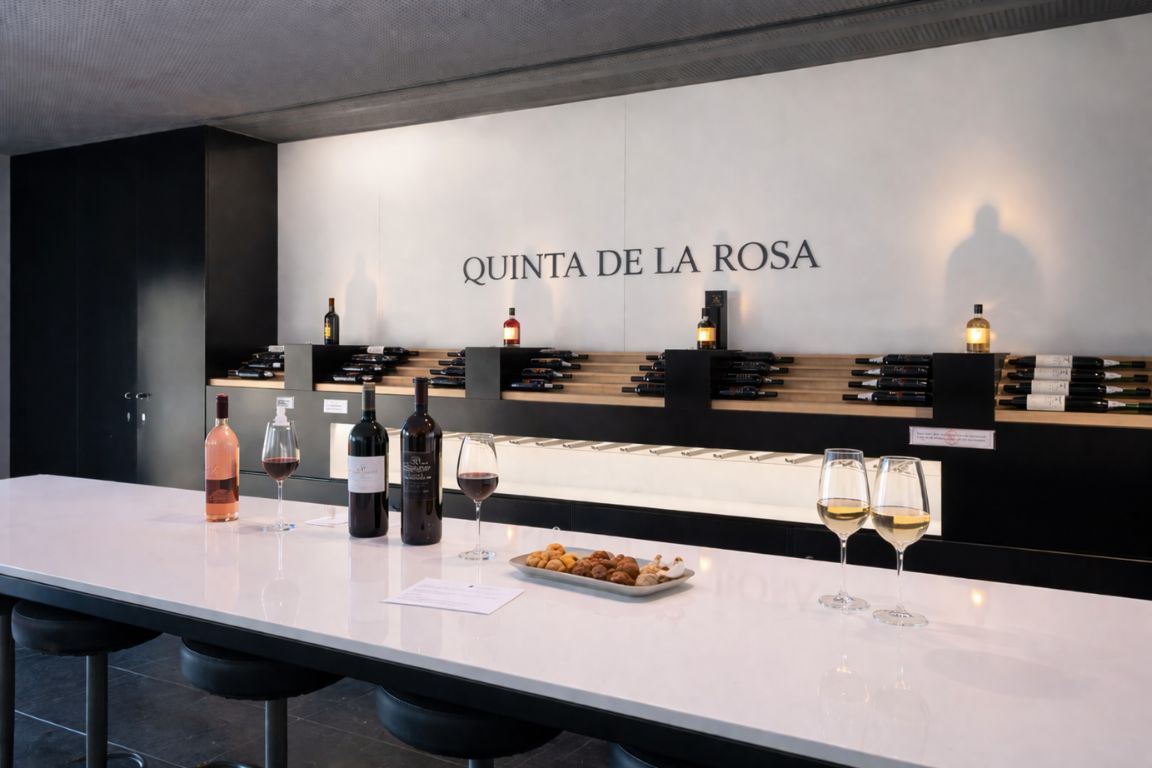 A self-guided day trip by train to Pinhao works best when expectations are realistic. You will spend roughly 5 hours on trains plus whatever time arrives from bus connections in the current track-works period. At Pinhao, three quintas are reachable on foot or a short taxi ride: Quinta do Bomfim, Quinta das Carvalhas, and Quinta de la Rosa. Each does tours and tastings and should be booked in advance. The hour-long Pinhao river cruise can be bought at the marina on arrival. Bring the 9:20am train, leave on the 6:14pm return, and have someone at your chosen quinta arrange your taxi back to the station.
The self-guided approach has genuine appeal for independent travelers who find group tours constraining, for those on tighter budgets, and for anyone who specifically wants the train experience. The scenery argument is real: the Douro line is one of the most beautiful train journeys in Europe, and the guided tour’s bus or minivan on the A4 motorway does not offer the same quality of visual approach to the valley.
Quinta do Bomfim, owned by the Symington Family Estates and producing Dow’s Port, is the easiest first stop from Pinhao station. The walk is about five minutes. The estate restaurant, Bomfim 1896 by Chef Pedro Lemos, is one of the most talked-about winery restaurants in the valley and requires advance booking if that is your lunch plan. The tasting experience includes the estate’s range of Port and Douro DOC wines.
Quinta de la Rosa sits about 15 minutes on foot from the train station, with a moderate climb involved. The tasting room overlooks the river. Their estate restaurant, Cozinha da Clara, serves creative Portuguese food pairing with the quinta’s own wines and is consistently ranked among Pinhao’s best. For the walk back, the route down the hill with the view of the river and the bridge earns its time.
Quinta das Carvalhas, on the hill above town, requires either a 20-minute uphill walk or a very short taxi. The 360-degree viewpoint from the top of the estate is among the most photographed in the region. The tasting experience there covers both Port and DOC wines from one of the Douro’s largest estates.
The practical constraint on all of this is taxis. There are very few available around Pinhao. The workaround: when you book your quinta visit in advance, ask the quinta to arrange your transport back to the station. Most are happy to do this and have regular arrangements with local drivers. Do not assume you can improvise transport between locations. Planning the taxi in advance is the single most important thing that separates a smooth self-guided day from a stressful one.
Which Quintas and Wineries Should You Visit in the Douro Valley?
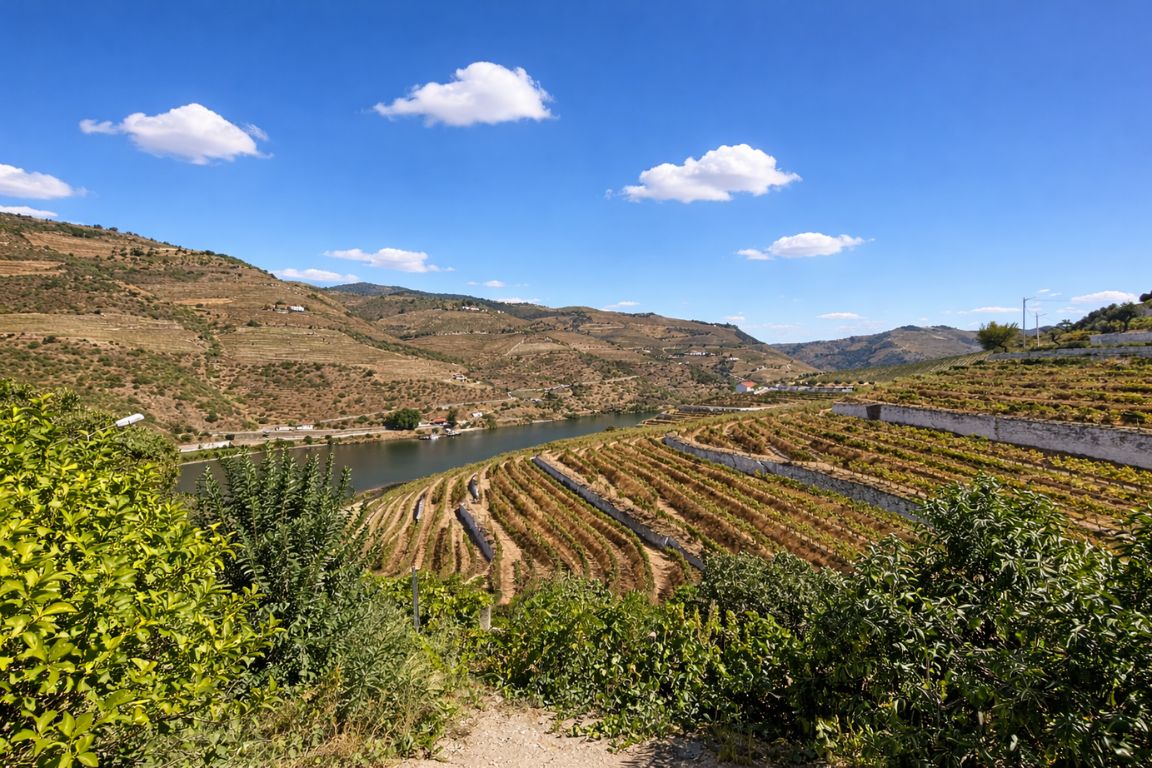 The quintas most accessible for day visitors fall into two categories: those near Pinhao that can be reached on foot or by short taxi ride, and larger showcase estates accessed primarily by guided tour. Quinta do Bomfim and Quinta de la Rosa are the strongest picks for train travelers visiting Pinhao independently. Quinta do Crasto, Quinta do Seixo (Sandeman), and Quinta do Portal offer more expansive experiences and are best reached by guided tour or private car. All require advance booking.
| Quinta do Bomfim | 5 min walk from Pinhao station | Dow’s Port; vineyard views; river terrace | Bomfim 1896 (Pedro Lemos); excellent | Yes |
| Quinta de la Rosa | 15 min walk from Pinhao (uphill) | Independent family house; table wines and Port | Cozinha da Clara; creative Portuguese | Yes |
| Quinta das Carvalhas | Short taxi from Pinhao or uphill walk | 360-degree viewpoint; large estate; harvest experiences | Yes, seasonal | Yes |
| Quinta do Seixo (Sandeman) | Near Valença do Douro; requires car or guided tour | Best panoramic views of any Douro quinta; modern visitor centre | Picnic baskets; seasonal events | Yes |
| Quinta do Crasto | North bank above Ferrão; car or boat access | Exceptional unfortified reds; infinity pool; prestige estate | Traditional Portuguese; river view; €94 to €180 pp | Essential |
| Quinta do Portal | Near Sabrosa; car or guided tour | Award-winning DOC wines; tasting menu restaurant | Wine House restaurant; excellent | Yes |
| Quinta da Pacheca | Near Regua; car or guided tour | Famous wine barrel suites; 18th-century manor; harvest experiences | Elegant traditional Portuguese; river views | Yes |
Prices verified March 27, 2025
The most consistent feedback we hear about quintas is this: if your group has any interest in unfortified Douro table wines alongside Port, build the quinta selection around estates known for both. The Douro’s DOC wines, made from Touriga Nacional, Touriga Franca, and Tinta Roriz, are increasingly drawing international attention. At the source, a bottle of Crasto’s Reserva Old Vines or Quinta de la Rosa’s table red sells for €15 to €25 and represents a level of quality that would command €45 to €80 in a good wine shop in London or New York. Buying two or three bottles before you return to Porto is one of the most practical things a wine traveler can do in the valley.
We’ve been connecting travelers with family-run quintas since 2014, including properties that do not appear on standard booking platforms — this full-day itinerary already includes the visits, lunch, and cruise. See a full-day Douro itinerary that already sequences the quinta visits, lunch, and cruise.
Trying to figure out which lodges to prioritize? Our guide to the best Port wine cellars in Porto wine tours shows you exactly what sets each one apart beyond just famous names and riverside locations.
What Should You Eat and Drink on a Douro Valley Day Trip?
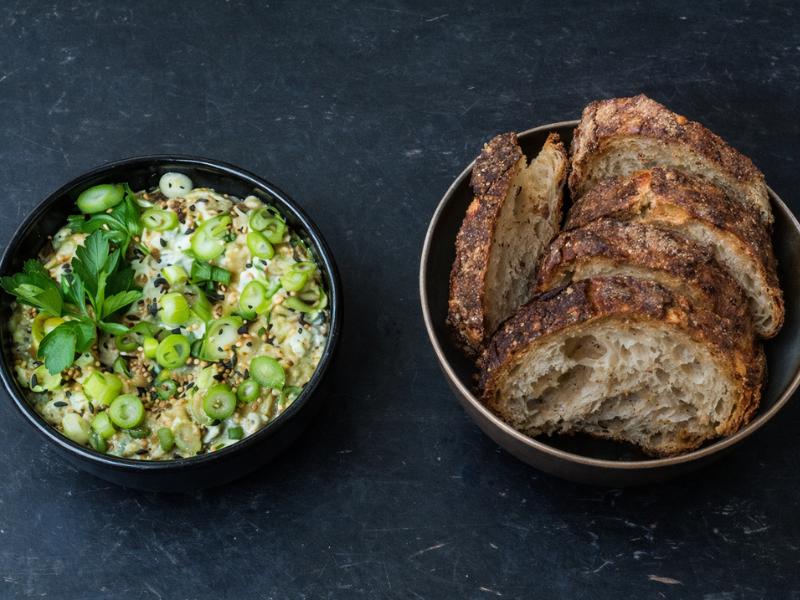
Douro Valley food is traditional Portuguese countryside cooking: heavy on bacalhau, roasted and braised meats, olive oil from estate-grown trees, freshwater fish in season, and desserts built around almonds and eggs. The valley’s own unfortified wines, particularly the Douro DOC reds and whites, are the natural pairing. Ask specifically for the estate’s white wine at any quinta restaurant. White Ports as aperitifs before lunch are standard practice in the valley. Do not skip the olive oil.
The Douro is cattle and vine country. The food follows that logic. At a typical quinta lunch, you might start with cured meats from the region, bread with the estate’s olive oil (worth more attention than it usually gets), and a glass of chilled White Port. The main course arrives in generous portions. Bacalhau, the salt cod that is Portugal’s national obsession, appears in multiple preparations. Cabrito, roasted kid goat, is the valley’s signature meat dish. Lamb with rosemary and local olive oil is slower and richer. All of it is designed to be eaten slowly, over a long table, with wine in the glass and a view of the river outside.
The wine conversation at lunch is often where the day’s education accelerates. Most quinta restaurants pour their own range, which means the guide or sommelier can walk through what you are drinking with direct knowledge of the harvest conditions that produced it. This is the moment when the connection between the terraced hillsides you have been looking at all morning and the wine in your glass becomes concrete. A 2020 Douro white, made from the same grapes that produce White Port but harvested earlier to preserve acidity, tastes like nothing a standard wine education prepares you for. Fresh, aromatic, with a mineral quality that the schist soil imprints on everything grown in it.
Castas e Pratos in Regua is the restaurant that national and international media consistently mention when writing about Douro Valley dining. Set in a converted railway shed, it is Michelin-plate recognized and serves contemporary riffs on regional Portuguese cooking with an extensive wine list focused on the valley’s producers. If your tour includes free time in Regua, or if you are organizing a self-guided trip, booking lunch here is worth the planning effort. DOC by Chef Rui Paula, between Regua and Pinhao on the N-222, is the valley’s most refined dining option and requires advance booking, particularly in spring and autumn.
One regional food worth knowing about if you are visiting in the right season: lamprey (lampreia) is a traditional Douro Valley dish available roughly from January to April. It is a river fish, prepared in a thick sauce made with its own blood, and it sounds more alarming than it tastes. Lampreia à bordalesa, the classic preparation, is one of the most distinctive dishes in Portuguese cuisine. If you are in the valley in February or March and your guide mentions it on a restaurant menu, say yes.
Curious about harvest timing? Our guide on Porto wine harvest season covers when it happens in the Douro, what activities open up during picking season, and whether it’s the best or worst time to visit.
What Do First-Time Visitors Get Wrong About the Douro Valley Day Trip?
The most consistent mistakes: booking a day trip without checking group size and ending up in a group of 25 to 30 people where tastings feel rushed and lunches are buffet-style rather than seated; taking the train without planning taxi logistics in advance and finding themselves stranded between quintas; attempting a self-drive without accounting for who will be drinking; choosing the all-day river cruise from Porto which spends 14 hours on a boat and misses the valley’s best scenery; and not buying wine at the source before heading back to Porto.
The group size question is the single most reliable predictor of whether a traveler’s Douro day trip is memorable or merely fine. Groups of 8 to 12 are optimal. The guide has time for questions. The quinteiro or winemaker at the estate comes out and talks. Lunch is at a long table rather than a cafeteria setup. Groups of 25 to 30, which some operators run to keep prices low, deliver a fundamentally different product. The tastings feel more like presentations than conversations. The lunch happens in whatever space can accommodate everyone. The river cruise is the same, but everything else is diluted.
The taxi situation in Pinhao is a recurring failure point for self-guided travelers who did not plan for it. Uber does not operate in the Douro Valley. There are taxi stands at both Pinhao and Regua stations, but the total number of taxis serving the area is very small. In one October visit to Pinhao, a traveler reported that there were only two or three taxis available for the entire region. The solution is specific and reliable: when you book your quinta visit online, send an email before you arrive and ask them to arrange your return transfer to the station. Every quinta has relationships with local drivers. Most will do this for no additional cost, or for a small flat fee. It takes one email and prevents an afternoon of uncertainty.
The long river cruise from Porto deserves specific mention as a travel experience that frequently disappoints wine-focused travelers. The journey from Porto to the valley by boat takes around seven hours one-way, which is the entire day. The lower Douro near Porto is not the scenic wine country. The famous terraced vineyards only begin after Pala, well into the journey. Most travelers who have taken this option describe it as pleasant but repetitive: you can watch terraced hills pass for only so long before the scenery becomes background rather than experience. The cruise back to Porto that some guided tours offer as an alternative return mode is a different matter, an hour on the water at Pinhao level, not a full seven-hour journey.
The wine buying omission is the most benign mistake but arguably the most regrettable in retrospect. A Douro red bought at the quinta where it was made, for €15 to €25, is a wine that will be genuinely difficult to find outside Portugal at any price. The best quintas have bottles that never reach export markets at all, available only to visitors who show up and ask. Airlines allow one bottle in checked luggage as a rule of thumb, and most wine shops at Porto airport can pack multiple bottles safely. Fill the allocated space before you fly home.
What Our 8,700 Travelers Tell Us About the Douro Valley Day Trip
The Douro Valley day trip is the experience our travelers most consistently rate as the highlight of their entire Porto visit. Here is what the patterns across our guest feedback show about how people approach it and what they wish they had done differently.
| % of travelers who rated the Douro day trip as the best experience of their Porto visit | 78% |
| Most common regret among guests who chose a large-group tour | “The schedule felt like a ‘conveyor belt’ with no time for photos” |
| % who said they wished they had bought more wine at the quinta | 55% |
| % who discovered Douro DOC table wines (not Port) as a revelation on the trip | 74% |
| Typical departure time among tours rated highest by our guests | 8:00 AM – 8:15 AM |
| % who said they would have stayed overnight if they had planned ahead | 62% |
Frequently Asked Questions
Is a Douro Valley day trip worth it?
Yes, unequivocally. The Douro Valley is where Port wine is produced, and seeing the terraced vineyards, visiting a working quinta, eating a traditional lunch with estate wines, and taking a river cruise through a UNESCO World Heritage landscape delivers an experience that no cellar visit in Porto can replicate. It is the single experience our travelers most consistently describe as the best day of their Portugal trip.
How do I get from Porto to the Douro Valley?
The most practical option for wine-focused visitors is a guided group tour (€89 to €120 per person) which includes round-trip transport, two quinta visits, lunch, and a river cruise. The scenic train to Pinhao costs around €12.20 each way and takes about 2 hours 25 minutes, but leaves you dependent on scarce taxis to reach the wineries. Self-driving is possible but means one person cannot drink at tastings.
What is included in a Douro Valley day tour from Porto?
Standard group tours include round-trip transport from Porto, guided visits to two quintas with wine tastings, a traditional multi-course Portuguese lunch (usually at a winery), a one-hour rabelo boat cruise on the Douro River, and a guide for the full day. Some tours add scenic viewpoints and stops in towns like Amarante or Pinhao for free time.
How long does a Douro Valley day trip take?
Full-day guided tours typically run 9 to 10 hours including travel from Porto. The drive each way takes roughly 90 minutes. Allow for approximately 90 minutes at each quinta, 90 minutes to two hours for lunch, and 60 minutes for the river cruise.
When is the best time to visit the Douro Valley?
May through June for green vineyards and mild weather without peak-season crowds. September through early October for the grape harvest, when the valley is at its most alive with activity and the scenery peaks. Both windows require booking tours further in advance than low season visits.
Can you do the Douro Valley day trip by train?
Yes, and the train journey itself is one of the most scenic rail routes in Europe. Take the 9:20am service from Sao Bento to Pinhao (2h 25min, €12.20 each way). At Pinhao, Quinta do Bomfim and Quinta de la Rosa are reachable on foot. Book quinta visits in advance and ask each quinta to arrange your taxi back to the station. Note: check cp.pt for current schedules, as partial bus replacements are in place on some sections until April 2026.
Questions before you commit?
Mateo and the Porto Wine Tours team have been running Douro Valley day trips since 2014, with access to family quintas that do not appear on standard booking platforms. We know which combinations of transport, quinta, and lunch make for the best days — start with a guided tour that already includes all three. Start here.
Written by Mateo Oliveira Santos
Portuguese tour guide since 2014 · Founder, Porto Wine Tours
Mateo has guided over 8,700 travelers through Porto, the Douro Valley, and Portugal’s wine regions since founding the agency.