Best Port Wine Cellars in Porto
Port wine cellars are in Vila Nova de Gaia, a short walk from Porto. Choose top houses, book ahead, and limit visits - here’s how to plan it right.
Booking Choice: Compare three Gaia producers with a guide, or reserve one specific lodge. Taylor’s offers a self-paced visit; Poças focuses on a family cellar; Graham’s has a separate premium-room option. Explore Three Cellars, Seven Ports
Last updated: June 9, 2026
| Ferreira | First visit; Portuguese history; Dona Antónia story | ~€14 to €17 | Moderate | Yes |
| Graham’s | Education, premium tastings, panoramic views, Vinum restaurant | ~€17 to €70+ | Moderate to high | Strongly recommended |
| Taylor’s | Self-guided audio tour; no tour-time constraints; Barão Fladgate restaurant | ~€25 | High | Not required (self-guided) |
| Calem | Families, interactive museum, fado show combo | €20 to €45 | High | Yes |
| Sandeman | Iconic brand, riverfront location, lively outdoor terrace | €22 to €30 | High | Yes |
| Cockburn’s | Working cooperage; John Smithes premium room; calmer atmosphere | €26 to €75 | Moderate | Yes |
| Ramos Pinto | Art Nouveau history, museum, 20-year Tawny specialists | ~€20 | Moderate | Yes |
| Real Companhia Velha | Vintage bottle museum (1765), small groups, off the tourist track | ~€15 to €20 | Low | Recommended |
| Niepoort | Max 24 visitors/day; family-owned; Colheita specialists; cobweb cellar | From €45 | Very low (limited) | Essential |
| Poças | 100% Portuguese family-owned; Colheita and Tawny; personal guide | ~€22 | Low | Recommended |
| Quevedo | No mandatory tour; drop-in tasting bar; old Colheita range; no crowds | From ~€15 per glass/flight | Low | Not required |
| Kopke | Oldest house in Gaia (1638); tasting room only; intimate; Colheita range | From €25 (tasting packs) | Low | Arrive early (fills fast) |
Prices verified March 27, 2025
At A Glance: Gaia’s lodges let you compare Port without travelling to the vineyards. Choose one house for depth or a guided circuit for a broader tasting. Explore Three Cellars, Seven Ports
Why Are the Port Wine Cellars in Gaia, Not Porto?
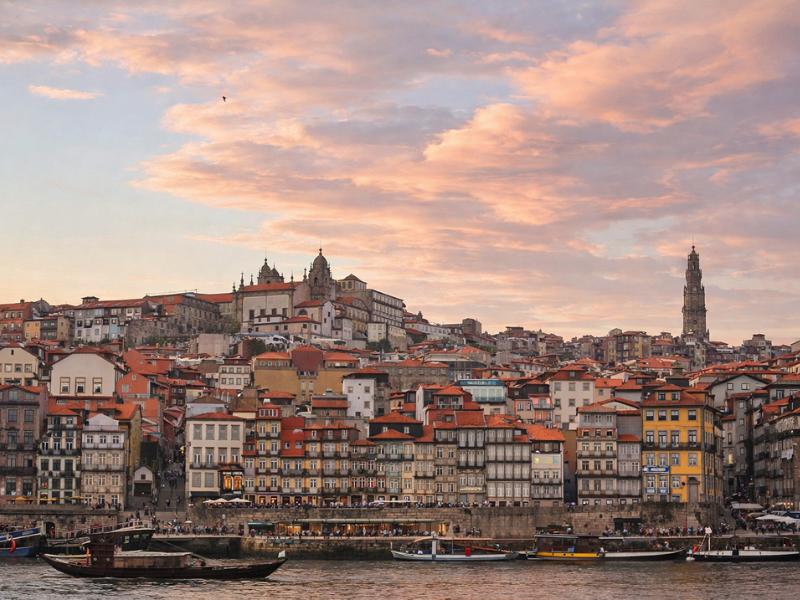
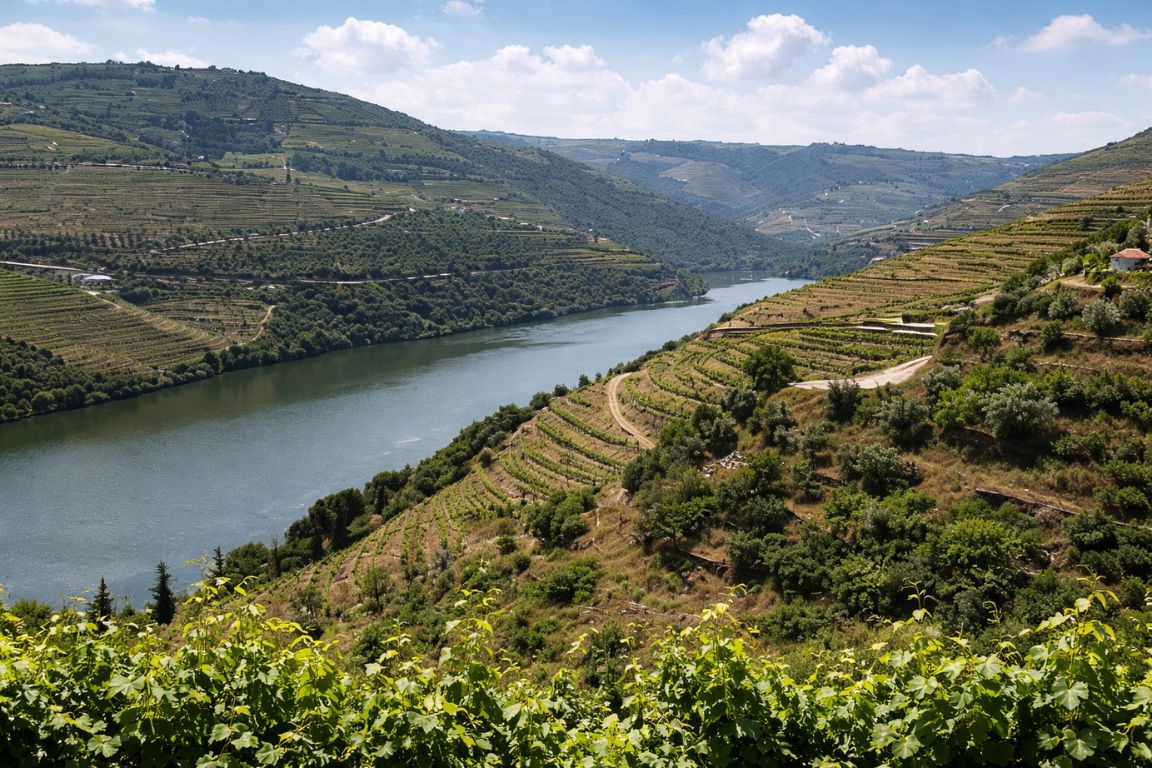 The Port wine cellars are in Vila Nova de Gaia, across the Douro River from Porto, because historic trade law required it. From the 17th century onward, all Port wine destined for export had to be aged in cellars on the southern bank of the Douro, where the cool Atlantic-influenced microclimate was considered ideal for slow barrel maturation. The result is a unique concentration of over 60 working wine lodges within a walkable strip of riverfront real estate, all visible from Porto’s Ribeira district just across the water. The most popular tour “Port Wine Tour with 7 Port Tastings” can be booked here.
This is the geographic detail that catches nearly every first-time visitor off guard. They arrive in Porto, ask a local where the wine cellars are, and are pointed across the bridge. Vila Nova de Gaia is a separate city. The Dom Luis I Bridge, the iron arch structure that dominates every photograph of Porto’s waterfront, connects the two. Cross it at the lower level and you land directly on the Gaia esplanade, where cellar signage begins almost immediately. The walk from Ribeira to the first cellar doors takes around ten minutes.
The 17th-century trade regulation that created this geography was not accidental. British merchants who dominated the early Port trade lobbied for the Gaia requirement partly to control quality and partly to protect their own investments in the riverside lodges. The rule created the concentrated cellar district that exists today and that no other wine region in the world replicates. Bordeaux’s chateaux are scattered across a large appellation. Burgundy’s great producers require a car and a planned day. In Gaia, you can visit four historically significant houses in a single morning on foot.
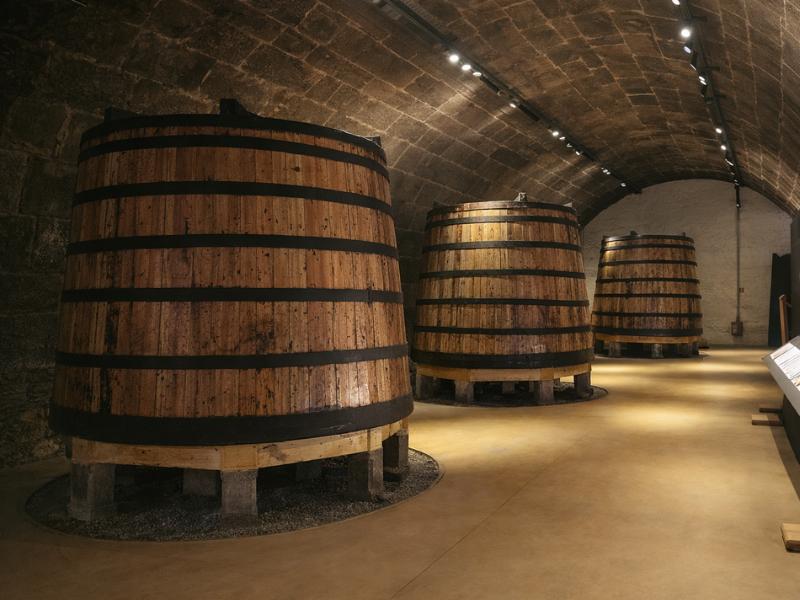
Until 1987, the law required all Port to be aged specifically in Gaia. That restriction was lifted, allowing producers to age in the Douro Valley as well, and some quality-focused producers have moved operations upstream. But the lodges in Gaia remain the heart of Port wine tourism. The buildings are older, the cellars deeper, and the cumulative history of centuries of aging visible in the dark wood beams, the cobwebbed demijohns, and the air itself, which carries the faint sweetness of evaporating fortified wine.
We’ve been arranging cellar visits for travelers since 2014 and know which houses have availability when others are full. If you want the cellar stops handled as one walk, see the Porto Port Wine Tour with 3 cellars and 7 tastings.
If you’re planning to venture into wine country, here’s our Douro Valley day trip from Porto wine tours guide so you understand timing, transport options, and whether organized tours beat going independently.
What Makes a Port Wine Cellar Worth Visiting?
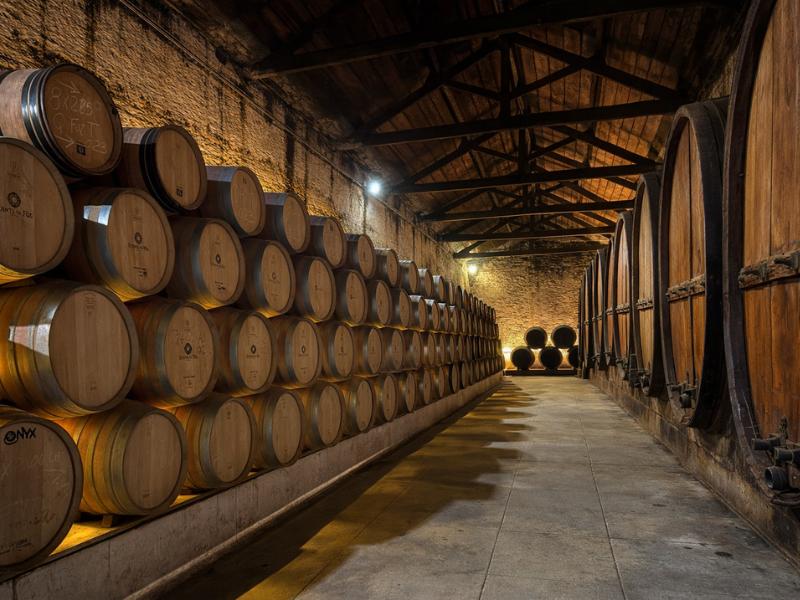
The difference between a great cellar visit and a forgettable one comes down to four things: guide quality, group size, tasting depth, and whether the cellar feels like a working wine production environment or a theme park. The best visits deliver a guide who has time to answer questions, a group of fewer than fifteen people, and tastings that go beyond basic Ruby and include at least one aged Tawny. The visits worth avoiding are the ones where you are processed through a multilingual tour every 30 minutes in a group of 25. The most popular tour “Port Wine Tour with 7 Port Tastings” can be booked here.
The pattern is consistent across traveler feedback. People who visit the high-volume riverfront cellars in July or August often describe the experience as rushed. Groups are large. The guide is managing time more than conversation. The tasting pour is measured to the milliliter. The shop at the end feels like a duty-free corridor. None of this is necessarily the cellar’s fault. When you are running 12 tours a day in six languages at peak capacity, intimacy is a casualty.
The contrast at a smaller house is immediate. At Poças, the guide knows the winemaker personally and can explain why the 2003 Colheita tastes the way it does in terms of that specific harvest’s conditions. At Niepoort, the guide is almost certainly a family member or a long-term staff member with genuine authority over the story being told. The cobwebs in the cellar are not decorative. At Kopke, the oldest house in Gaia, the tasting room is small enough that the sommelier can look you in the eye and recommend a specific bottle based on what you say you enjoy. That quality of attention is not something a large operation can systematically deliver.
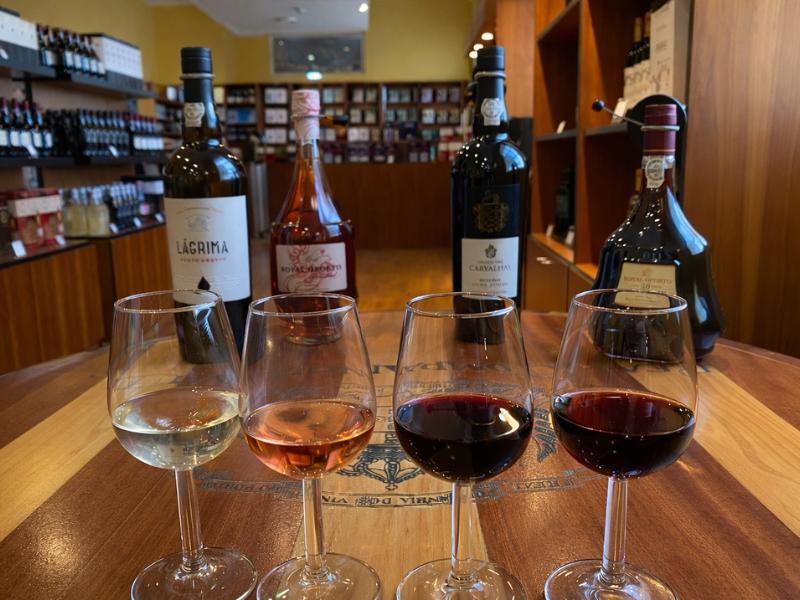
The other factor that separates good visits from great ones is tasting range. Standard cellar tours typically include two or three pours: a White Port, a Ruby, and a 10-year Tawny. That covers the basics. But the more interesting conversations in Port wine happen in the aged categories. A side-by-side comparison of a 10-year and a 20-year Tawny from the same house demonstrates more about barrel aging than any explanation can. A sip of a Colheita from a great year like 1998 or 2003 changes the way most travelers think about what this wine category can achieve. These pours are available, often at a modest premium, if you ask or if you book a higher-tier tasting option.
We’ve created a detailed Porto wine tourism guide because the cellar system, wine classifications, and tasting culture are different from regular wine regions – understanding this upfront enhances the entire experience.
Recommended tours by season
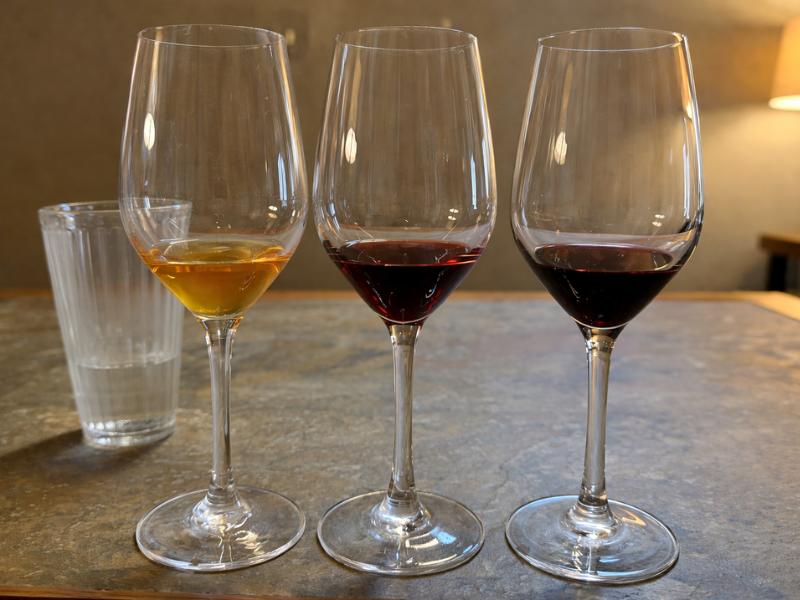
Classic Port Wine Lodges Tour with 7 Generous Tastings (English)
English-guided visit through the historic lodges with seven tastings over three hours. Useful when individual cellar slots are already spoken for.
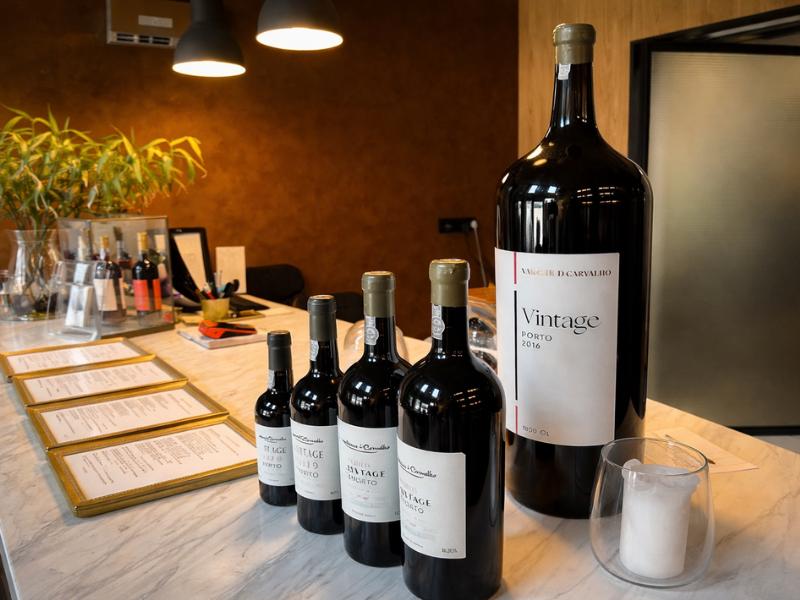
Porto’s Top Port Wine Tour – 3 Historic Cellars & 7 Tastings, Limited to 12
Three historic cellars and seven tastings in two hours, with the group limited to 12.
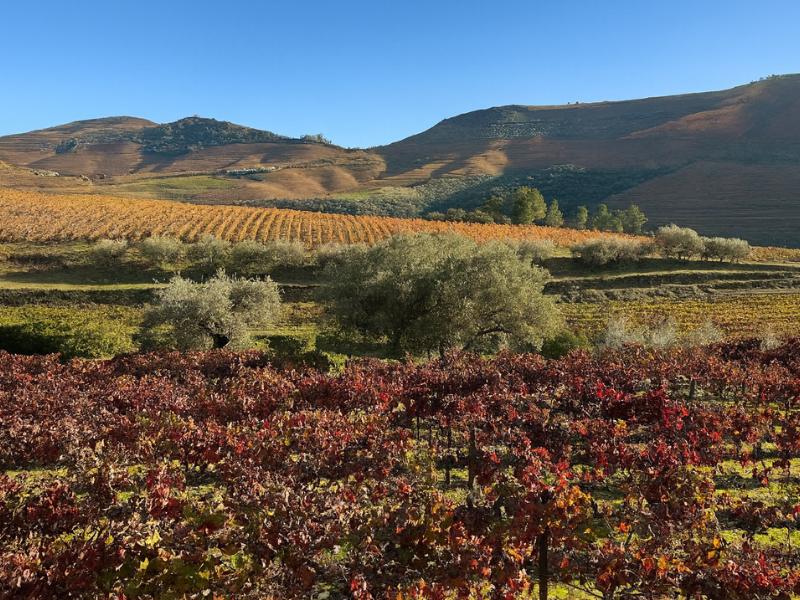
Full-Day Douro Valley Wine Tour with Lunch, Tastings & River Cruise
A ten-hour day in the Douro Valley with lunch, tastings, and a river cruise.
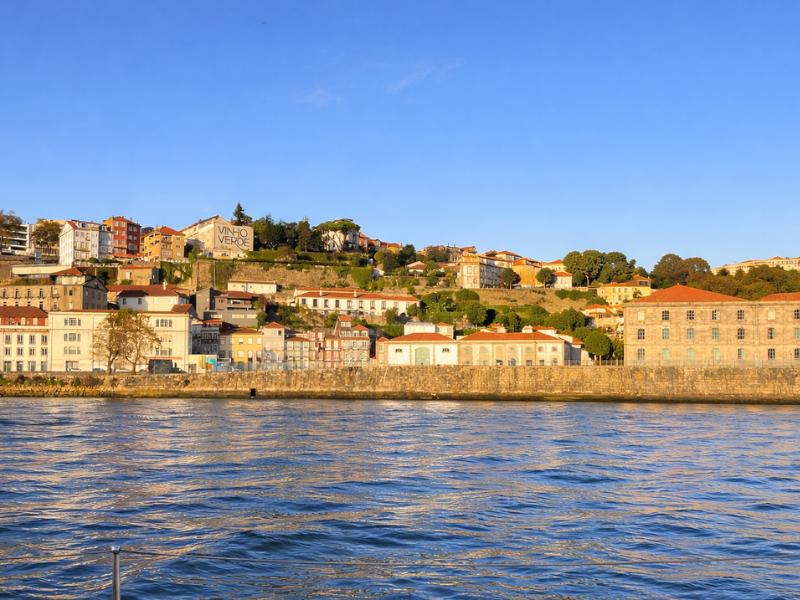
Douro River Boat Cruise in Porto + Port Wine Tasting
A two-hour cruise on the Douro in Porto with a Port wine tasting.
Which Port Wine Cellars Are Best for First-Time Visitors?
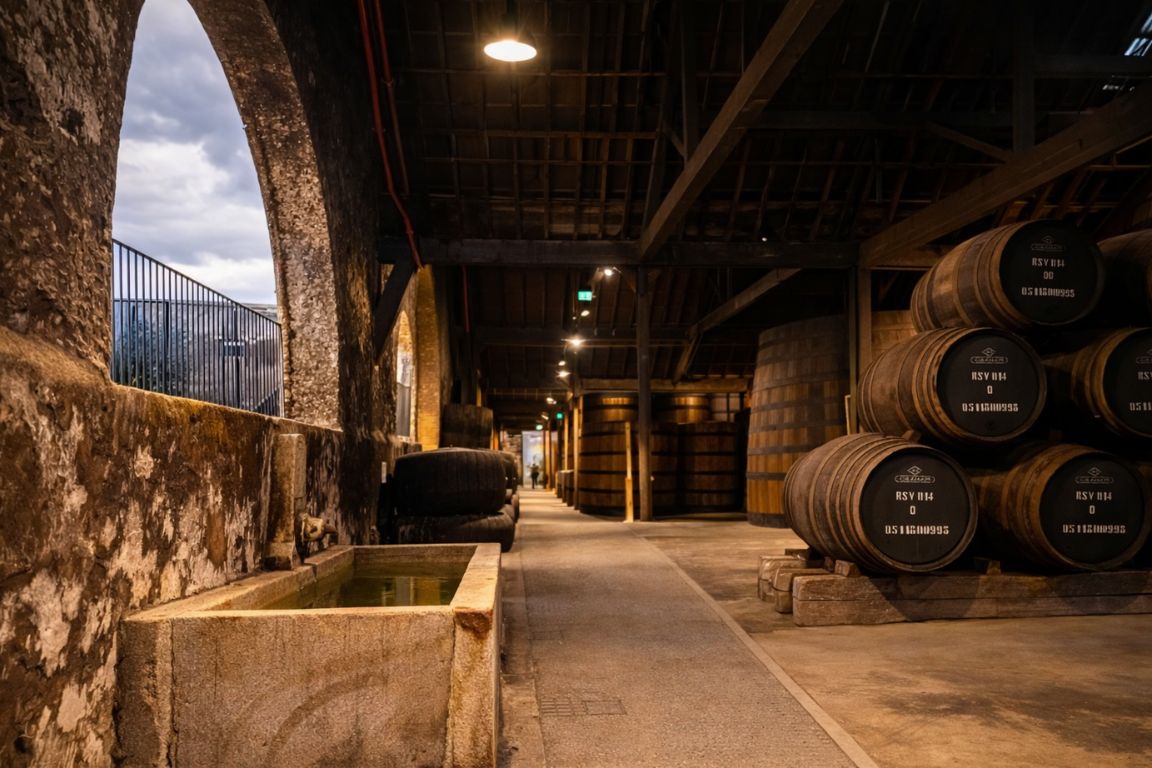 For first-time visitors, Ferreira and Graham’s are the strongest all-round starting points. Ferreira offers the best combination of Portuguese heritage, guide quality, and atmosphere for an introductory visit. Graham’s combines thorough education with panoramic views and a premium tasting option that can become the best hour of a first trip to Porto. Taylor’s self-guided audio tour works well for visitors who want flexibility over timing and can explore at their own pace. Calem suits families and groups who want an interactive, relatively lighthearted experience. The most popular tour “Port Wine Tour with 7 Port Tastings” can be booked here.
Ferreira holds a particular place in Portuguese wine culture that the British-founded houses cannot replicate. Most Port was built by English and Scottish merchants who arrived in the Douro in the 17th and 18th centuries. Ferreira was built by a Portuguese woman. Dona Antónia Adelaide Ferreira, known to her workers as Ferreirinha, took over the estate in 1846 after her husband’s death and proceeded to become the dominant force in the Douro Valley wine trade for the next four decades. The tour at Ferreira begins in the museum, where her personal items and the history of the estate are framed in a way that makes the subsequent barrel rooms feel connected to something human rather than merely commercial. Residents of Porto consistently name Ferreira as their favorite house for a first visit, and the wine quality fully supports that preference.
Graham’s is the choice for travelers who want depth and are willing to walk uphill for it. The lodge sits above the riverfront district, accessible by a steep 15 to 20 minute climb or a short taxi ride. The views from the terrace justify the effort immediately. The Symington Family Estates, which own Graham’s alongside Cockburn’s, Dow’s, and Warre’s, have invested heavily in the visitor experience here: the guides are well-trained and informative, the museum traces the history of both the Graham family and the Port wine trade, and the Vintage Room tasting option, available at a premium, gives visitors access to wines drawn from the house’s most precious stock. This is the visit that converts casual curiosity about Port into genuine passion for the category.
Taylor’s offers something the guided-tour model cannot: time flexibility. The self-guided audio tour, available in 13 languages, lets you move at your own pace through the cellars, the cooperage museum, and the barrel rooms. There is no group. There is no schedule to keep. The peacock garden and outdoor tasting area at Taylor’s are among the most pleasant places to sit in Gaia on a warm afternoon. The Barão Fladgate restaurant attached to the lodge, with its terrace views of the river, completes a visit that can occupy an entire morning and afternoon without feeling rushed.
Calem earns its recommendation for families and groups because it has made a genuine effort to create an accessible, interactive experience. The museum section before the cellar walk includes smell-testing stations and projected displays on the barrels that engage visitors who might otherwise find the tour format dry. The fado show combination, at €25 per person for tour, tasting, and 45 minutes of live fado, is one of the better-value cultural experiences available anywhere in Gaia. The trade-off is that in high season the group sizes are large and the pace can feel rushed.
| Ferreira | 1751 | Sogrape (Portuguese) | Dona Antónia museum; built over old convent | Locals’ favorite; only major Portuguese-founded house |
| Graham’s | 1820 | Symington Family Estates | Panoramic views; Vintage Room; Vinum restaurant | Best overall education; premium tasting quality |
| Taylor’s | 1692 | Fladgate Partnership | Self-guided audio tour; peacock garden; Barão Fladgate restaurant | Oldest continuously operating house; Vintage Port benchmark |
| Calem | 1859 | Sogevinus | Interactive museum; fado show combo; riverfront location | Best value; family-friendly; accessible first visit |
| Sandeman | 1790 | Sogrape | Iconic Don logo; outdoor terrace and bar; historic marketing collection | Most recognized Port brand globally; lively atmosphere |
Prices verified March 27, 2026
Which Cellars Offer the Best Premium and Masterclass Experiences?
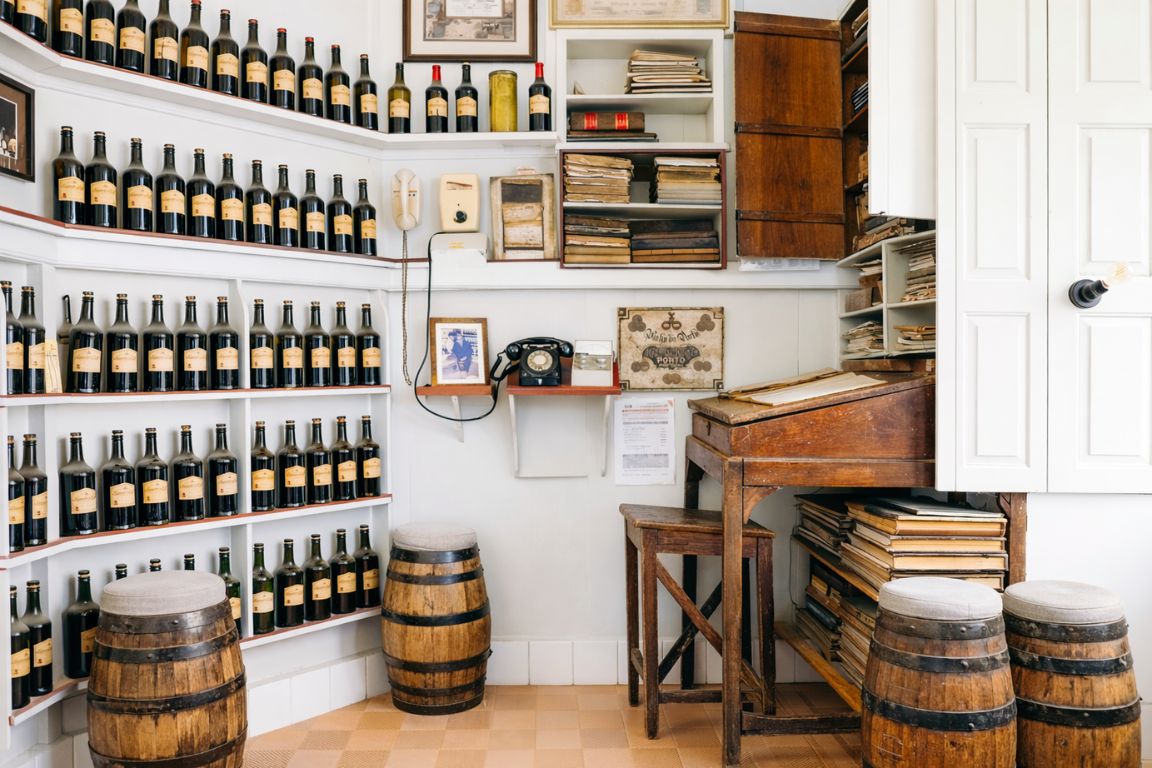 Graham’s Vintage Room tasting (€60 to €70) and Cockburn’s Vintage Tasting (up to €75) are the strongest premium experiences available in Gaia for travelers who want to drink wines drawn from the house’s serious aged inventory. Niepoort offers a masterclass option at €200 covering 15 wines across multiple Portuguese regions. Fonseca runs Vintage Port masterclasses through three decades of declarations at their cellar. For anyone serious about Port wine, these experiences deliver genuine depth unavailable at standard tour-and-tasting level. The most popular tour “Port Wine Tour with 7 Port Tastings” can be booked here.
The Graham’s Vintage Room changes the nature of the experience entirely. Instead of the main tasting room, you are seated in a room that feels like a private library, surrounded by bottles that have been aging in this building since the 19th century. The guide has time to speak about individual vintages, about the Symington family’s winemaking philosophy, about what makes 2011 or 2016 a special year in the Douro. The pours include ports from the house’s top range, typically a 30-year or 40-year Tawny alongside Vintage declarations from different decades. This is not the tour you take to decide whether you like Port. This is the one you take when you already know you do.
Cockburn’s premium Vintage Tasting at €75 includes the John Smithes Room, an exclusive space within the cellar named after one of Cockburn’s legendary winemakers, where the wine list jumps from standard LBV up to declared Vintage Ports from 2016 and 2017 alongside cheese pairings. Cockburn’s also has the only working cooperage left in Gaia, where you can watch barrel repair and construction during the tour. The cooperage visit alone is worth the trip uphill. This is a dying craft. There used to be dozens of cooperages operating in Gaia; now there is one.
Niepoort’s approach to premium experience is philosophically different from the major houses. The visit is capped at 24 people per day by design. The three available programs, starting at €45 for the basic temple visit up to €200 for the full Dirk Niepoort Favourites masterclass, all take place inside cellars that have been deliberately preserved rather than renovated. The cobwebs are real. The demijohns on the wall, used to store Garrafeira Port, a style so rare that only Niepoort produces it commercially, date back to the late 18th century. Niepoort is one of only three remaining family-owned Port producers in the world. The visit carries that weight.
Fonseca’s Vintage Port masterclasses deserve mention specifically for anyone whose interest runs toward declared Vintage ports rather than Tawny. Three decades of Fonseca Guimaraens declarations served side by side demonstrate how a single estate wine evolves over 20 years in bottle in a way that no description in text can replicate. The setting, inside Fonseca’s historic cellar on the hill above the Gaia waterfront, adds to the experience. Book at least 24 hours in advance; these sessions are small and fill quickly.
Curious about Port classifications? Here’s types of Port wine explained – what separates tawny from ruby, why vintage costs more, and which styles suit different palates.
Which Smaller and Family-Run Cellars Should You Not Miss?
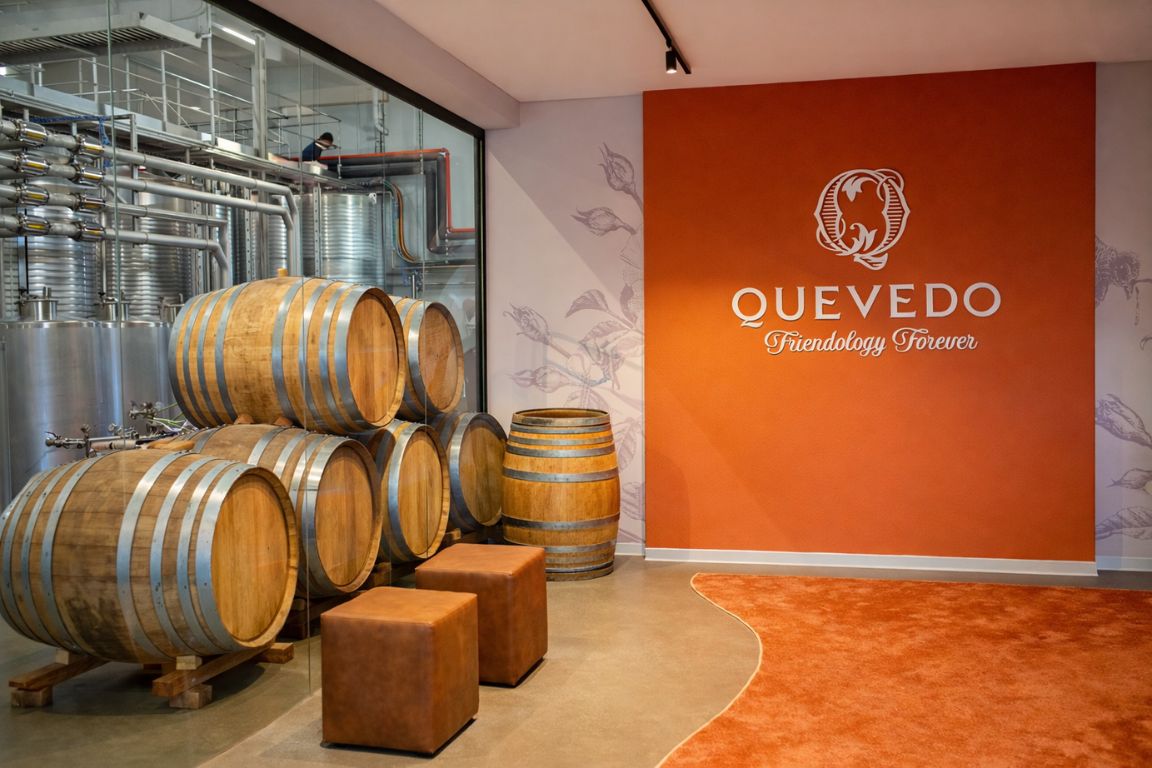 Five smaller houses in Gaia consistently deliver experiences that rival or surpass the famous names for travelers who care more about wine quality than brand recognition: Niepoort (the most intimate cellar in Gaia, maximum 24 visitors daily, extraordinary Colheita program), Poças (100% Portuguese family ownership since 1918, personal guides, excellent Tawny range), Quevedo (no mandatory tour, drop-in tasting bar, stunning old Colheita selection), Kopke (oldest house in Gaia at 1638, intimate tasting room, arrive early), and Real Companhia Velha (founded by royal charter in 1756, vintage bottle museum with the oldest Port collection in Portugal). The most popular tour “Port Wine Tour with 7 Port Tastings” can be booked here.
The consistency with which experienced Port travelers end up at these smaller houses is not accidental. After visiting one or two of the famous names, something shifts. The large-group tour format starts to feel like a delivery mechanism for getting visitors into the shop. The tasting pour, measured to the milliliter, contrasts with the generosity of a small house where the guide pours until the conversation runs out of things to explore. The wines at the smaller houses are not inferior. Often they are better, because a family-run producer that makes 25,000 to 30,000 bottles a year cannot afford to put anything less than its best work in the glass when a visitor sits down.
Poças is a specific case worth describing. Founded in 1918 by Manuel Domingues Poças Júnior, it remains entirely in Portuguese family hands through the fourth generation. The cellar holds over 800 aging casks. The guided tour covers the full production process and concludes with a tasting of three Ports, typically a White, a Ruby, and a 10-year Tawny. The guide is personable and genuinely knowledgeable, and the smaller group means the tasting feels more like a conversation about wine than a scheduled presentation. Poças’s Colheitas are among the best produced in Gaia and are essentially unknown outside Portugal. That is an opportunity, not a drawback.
Quevedo operates on a different model from most houses in Gaia. Two Portuguese brothers, Oscar and Claudia Quevedo, run the operation, and rather than building a traditional cellar tour format, they created a tasting bar in a 200-year-old former cooperage on Rua de Santa Catarina. No mandatory guided tour. You sit down, a staff member who knows the wines personally works through the range with you, and the conversation takes however long it takes. The old Colheita selection here, including vintages from the 1970s and earlier, is one of the most interesting lineups you will find in Gaia outside the most exclusive tastings at the major houses. The 1974 Colheita, when it is available, is the kind of wine that people remember for years.
Kopke occupies a specific historical position as the oldest Port wine house in Gaia, founded in 1638 by a German merchant named Cristiano Kopke who established the first commercial wine export business in the region. The tasting room is small, intimate, and sits on the riverfront near Calem. There are no guided tours. You arrive, find a table, and order from a menu that runs from entry-level flights up through old Colheita tastings at premium prices. It fills up early, particularly on weekends. Arriving before noon on a weekday is the reliable approach.
Real Companhia Velha, founded by royal charter of King José I in 1757, sits furthest from the riverfront tourist cluster of all the houses worth visiting. The 15 to 20 minute walk uphill or a short taxi ride separates it from the crowds that never make it that far. Inside, the Vintage Museum holds a collection of Port wine bottles dating back to 1765, one per vintage year, preserved under cobwebs so thick they have become part of the architecture. The oldest bottles are kept in a glass case. Some have never been opened. Standing in that room, looking at Port wine that has been in these bottles for 250 years, produces a feeling that the waterfront cellars, beautiful as they are, simply cannot replicate.
The smaller houses are rarely found through standard booking platforms. Some require specific contacts or knowledge to access properly. A small-group walk with a 12-person cap is the Porto’s Top Port Wine Tour, which visits three historic cellars for seven tastings.
How Do You Plan a Full Day in the Gaia Cellar District?
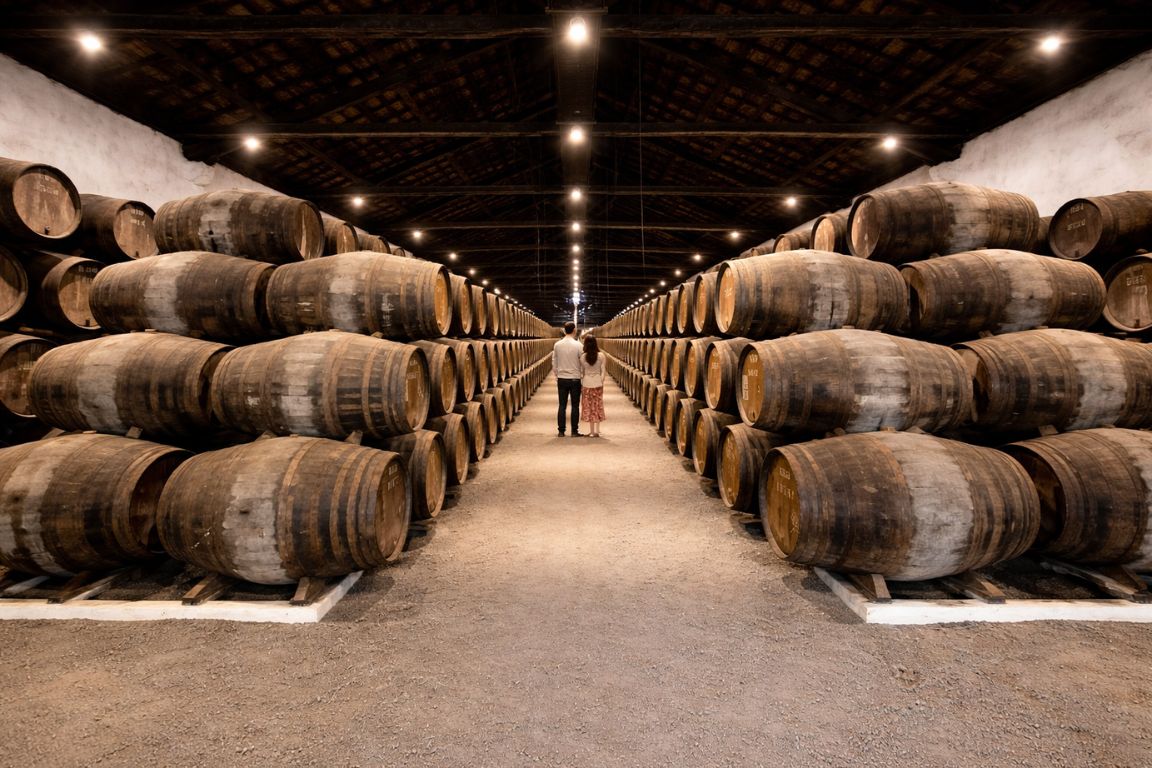 A full day in Gaia works best with two cellar visits, a proper lunch, and a relaxed afternoon walk along the esplanade. Three visits is the practical maximum; attempting four leaves you too full of Port to genuinely appreciate the last house. The ideal structure: one larger famous-name house in the morning for context, lunch at either Vinum (Graham’s) or Barão Fladgate (Taylor’s), and a smaller family cellar in the afternoon when the main tourist traffic has thinned. Book the larger house in advance. Leave the afternoon slot flexible.
The morning timing matters more than most planning guides acknowledge. The high-volume cellar tours on the waterfront, Calem, Sandeman, and the riverfront lodges, fill with group traffic from mid-morning onward. Between 9am and 11am on weekdays, these cellars are at their most manageable. The tour groups from the Porto hotels typically arrive after their hotel breakfast, which means they reach the waterfront around 10:30 to 11am. Being there before that window means smaller groups and guides who have not yet cycled through the same explanations six times. For the cellars further up the hill, this timing effect is less pronounced because group tours rarely climb there.
Lunch at either Vinum, the restaurant inside Graham’s looking out over 3,200 barrels of aging Port, or Barão Fladgate at Taylor’s with its terrace views over the Douro, represents the best restaurant pairing with cellar tourism in all of Portugal. Both require advance booking and both are worth the planning. Vinum serves modern interpretations of traditional Portuguese and Basque cuisine. Barão Fladgate leans more traditionally Portuguese. Either way, allow at least 90 minutes. These are not quick lunches.
The afternoon slot, from around 2:30 to 5pm, is when the smaller houses reward the unhurried visitor. Quevedo, Kopke, or Poças on a Tuesday or Wednesday afternoon can feel almost private. The guides are less pressed for time. The questions can be longer. You can ask to taste a specific old Colheita that is not on the standard menu and, at a smaller house, the answer is often yes rather than no. This is the visit that converts a standard tourist day into something more like a genuine wine education.
One practical note on the geography that catches visitors off guard: the Gaia cellar district is significantly hillier than it looks from the Porto side of the river. The waterfront esplanade is flat and pleasant. Graham’s, Cockburn’s, Taylor’s, Fonseca, and Real Companhia Velha all sit at various points up the steep hillside above. The walk to Graham’s from the waterfront takes about 15 minutes and involves a climb on a narrow road with heavy traffic. The cable car from the waterfront to Jardim do Morro helps with the upper part of the hill and is worth taking once for the views even if you take a taxi down afterward. The most popular tour “Port Wine Tour with 7 Port Tastings” can be booked here.
First time visiting Portugal’s wine capital? Here’s how to plan a trip to Porto wine tours so you don’t show up unprepared for the cellar tour system or miss out on Douro Valley opportunities.
What Our 8,700 Travelers Tell Us About the Gaia Cellars
Over more than a decade of cellar tours with our traveler groups, patterns have emerged around which houses consistently deliver and what visitors wish they had done differently. Here is what the data from our guests shows.
| Cellar most often rated highest after a full day in Gaia | Graham’s 1890 Lodge (Cited by 46% of guests) |
| Most common regret among guests who only visited large houses | “The experience felt too corporate/industrial” (Cited by 62%) |
| % of guests who upgraded to a premium tasting on the day after seeing standard options | 41% |
| Average time spent in cellars by guests who rated their experience 5/5 | 5 hours (Typically split across 2 houses + a long lunch) |
| % who said the Colheita was their single favorite wine discovery in Gaia | 44% |
| Months when Gaia cellar bookings most commonly sold out before guest arrival | June, July, August, and September |
The most popular tour “Port Wine Tour with 7 Port Tastings” can be booked here.
What Do Experienced Port Wine Travelers Say About the Cellars?
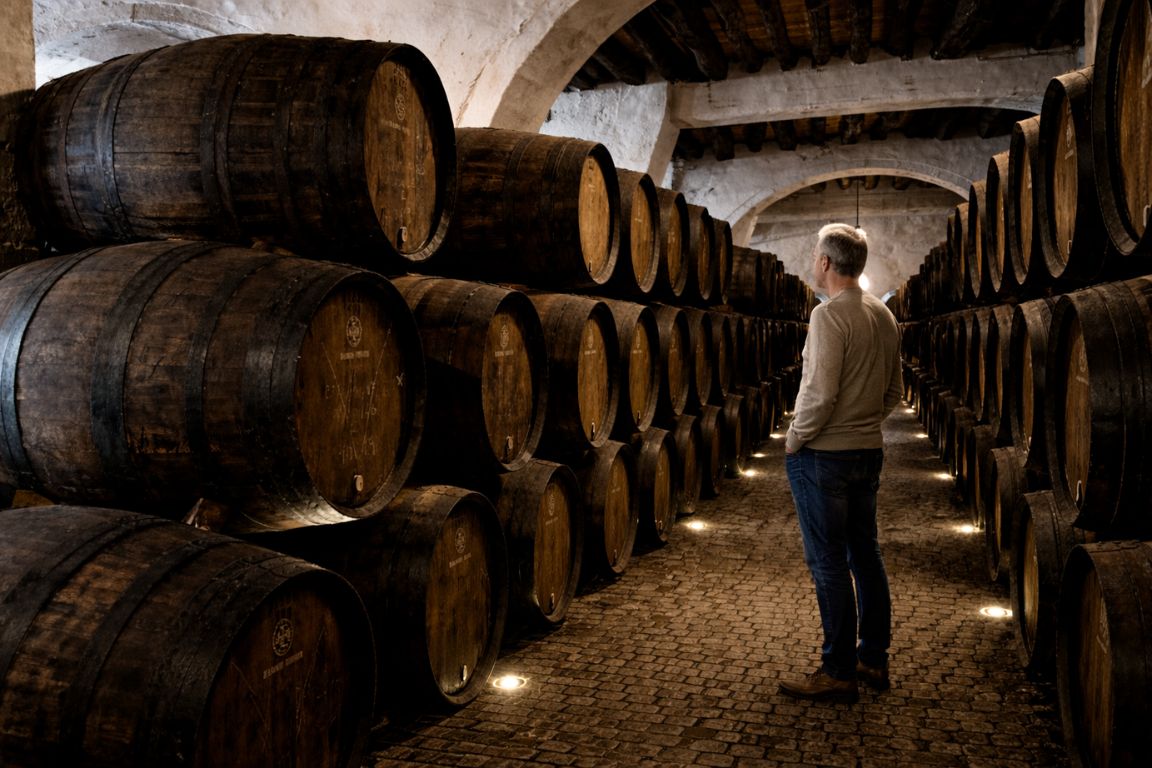 The clearest pattern across experienced traveler feedback: the people who got the most from their Gaia day were the ones who balanced one large house with one smaller producer, arrived in the morning before the tour groups built up, and did not try to visit more than two houses in a single day. The people who describe disappointment almost uniformly arrived without advance booking in peak season, found their preferred house sold out, and ended up at whatever was available rather than what they actually wanted.
One observation that appears repeatedly in both traveler forums and direct guest feedback: visiting one large, famous-name cellar and one small Portuguese-owned house on the same day creates a comparison that teaches more about Port wine than either visit alone. The large house shows you the scale and commercial history of the Port trade. The small house shows you what the wine is at its most personal. Ferreira plus Poças. Graham’s plus Quevedo. That pairing tends to produce the most coherent and memorable days.
The Ramos Pinto museum deserves specific mention for travelers with an interest in visual and commercial history beyond the wine itself. Adriano Ramos Pinto, who founded the house in 1880, built his reputation partly through a series of Art Nouveau advertising posters that were considered provocative and sometimes scandalous when they appeared at the turn of the 20th century. Walking through the original office, preserved exactly as it was when Ramos Pinto occupied it, looking at the advertising archive that essentially invented modern wine marketing in Portugal, is a genuinely unusual experience that no other cellar in Gaia offers.
The question of how many houses to visit in a day comes up constantly. Three is the absolute maximum for people who want to genuinely engage with what they are tasting. Port wine is 19 to 22 percent alcohol. Three pours at each of three houses adds up quickly. The travelers who describe their cellar day most vividly are almost always the ones who went deep at two places and took their time, rather than rushing through four in the interest of efficiency. Fewer cellars, more attention, better day.
Frequently Asked Questions
Are the Port wine cellars in Porto or in Vila Nova de Gaia?
They are in Vila Nova de Gaia, a separate city on the southern bank of the Douro River directly across from Porto. The walk from Porto’s Ribeira district to the cellar area in Gaia takes about ten minutes via the lower deck of the Dom Luis I Bridge.
Which Port wine cellar is best for a first visit?
Ferreira is the strongest first visit for travelers who want to understand the Portuguese side of Port wine history. Graham’s is the best choice for travelers who want a thorough education combined with a premium tasting experience and exceptional views. Both require advance booking, particularly in summer.
Do you need to book Port wine cellar tours in advance?
Yes, especially for English-language guided tours at major houses in summer. Graham’s, Ferreira, and Cockburn’s can sell out weeks ahead in July and August. Smaller houses like Niepoort, capped at 24 visitors daily, require booking as far as possible in advance. Even outside peak season, booking online 7 to 10 days ahead avoids disappointment.
How many Port wine cellars should you visit in one day?
Two is the ideal number for most travelers. Three is the maximum before tastings start to blur together and the genuine pleasure of what you are drinking begins to diminish. Attempting four houses in a day is a common mistake that results in a less memorable experience at each.
Which Port wine cellar has the best views?
Graham’s has panoramic views of Porto’s skyline and the Douro River from its hilltop terrace, widely regarded as among the best in Gaia. Taylor’s Barão Fladgate restaurant and Fonseca also have strong views from elevated positions above the waterfront. Sandeman’s outdoor terrace is on the riverfront level and offers a different perspective looking across to Porto’s Ribeira.
What is the difference between visiting a large famous house and a small family cellar?
Large houses offer polished tours, broad tasting menus, multilingual guides, and the prestige of historic brand names. Smaller family-run houses like Poças, Niepoort, and Quevedo offer smaller groups, more conversation, access to wines not easily found outside Portugal, and guides with genuine personal connection to the wines. Both have value; the most rewarding Gaia days combine one of each.
Questions before you commit?
Mateo and the Porto Wine Tours team have been arranging cellar visits and tastings since 2014. For an English-guided walk with seven tastings already bundled, see the Port Wine Cellars of Gaia Tour with 7 Tastings.
Written by Mateo Oliveira Santos
Portuguese tour guide since 2014 · Founder, Porto Wine Tours
Mateo has guided over 8,700 travelers through Porto, the Douro Valley, and Portugal’s wine regions since founding the agency.