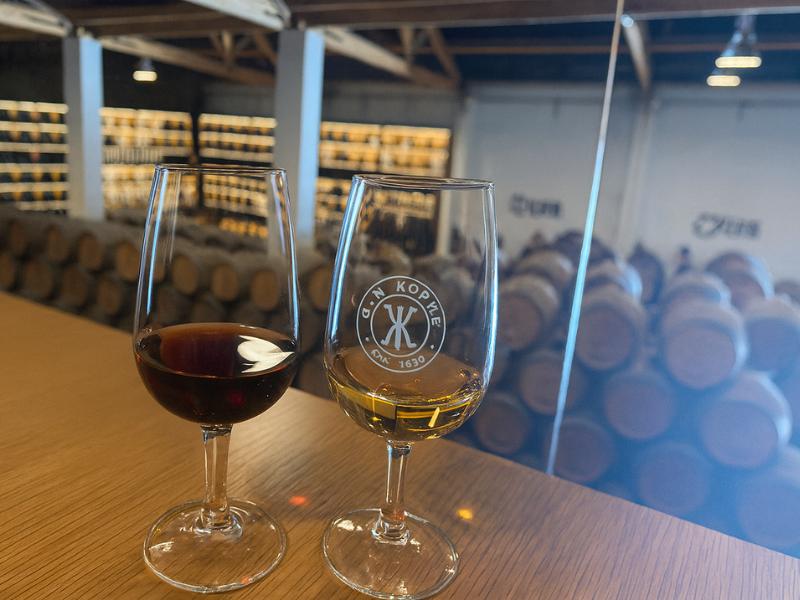
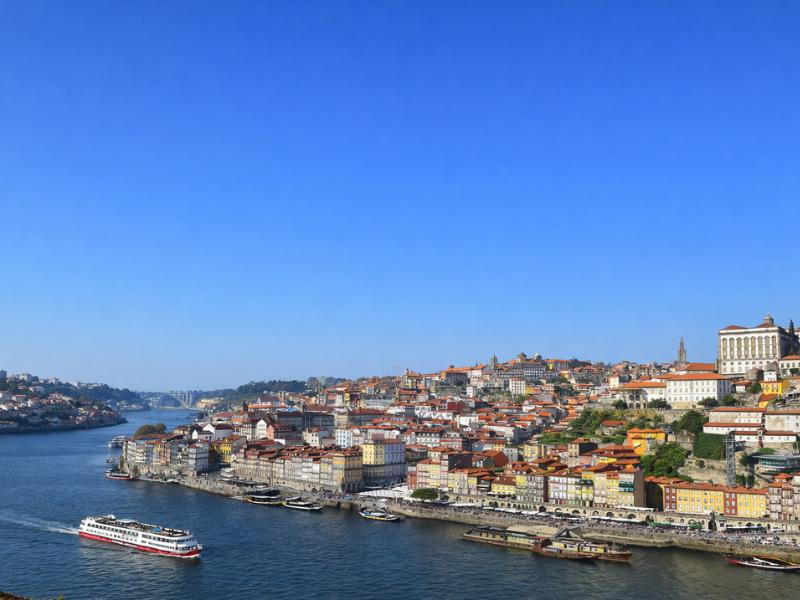
Porto Wine Tourism Guide
Porto is Europe’s easiest wine destination - cellars in Gaia, Douro Valley 90 minutes away, and city wine bars in between. Plan 3 days and book ahead.
Booking Choice: Use one full day for the Douro, then choose a Gaia cellar visit for the city part of the trip. Poças offers a live guide and three Ports; Taylor’s provides an audio route at your own pace. Explore Douro Wine, Lunch And River Cruise
Last updated: April 12, 2026
At A Glance: Gaia is the cellar base, the Douro is the vineyard journey, and Vinho Verde offers a different regional wine day. Choose the experience before filling the itinerary. Explore Douro Wine, Lunch And River Cruise
Quick Summary Porto is Europe’s most accessible wine tourism destination, with historic Port wine cellars a five-minute walk across the river, the UNESCO-listed Douro Valley 90 minutes away, and Vinho Verde country just north. The experience divides cleanly into three layers: the Gaia cellars for Port wine history and aged Tawny tastings, the Douro Valley for quintas and harvest culture, and the city’s own wine bars and WOW cultural district for everything in between. Budget three full days minimum. Book cellar tours in advance, plan the Douro Valley day trip before you arrive, and stay either in Ribeira or Vila Nova de Gaia for immediate wine access. Porto has been welcoming wine travelers since 1756 and has lost none of the substance that made it worth the journey in the first place.| Port wine cellars (Gaia) | 60+ lodges across the river; walkable from Porto’s Ribeira in 10 minutes |
| Douro Valley (UNESCO) | 90 min by car; 2h 25min by train to Pinhao; world’s first demarcated wine region (1756) |
| WOW: World of Wine | 7 museums, 12 restaurants and bars, wine school; Gaia riverfront; open daily 10am to 8pm |
| Cellar tour entry price | €14 to €45 (standard); €80 to €160+ (premium and masterclass) |
| Douro day tour (guided) | €89 to €120 per person (transport, tastings, lunch, river cruise) |
| Best wine tourism months | May, September, October |
| Recommended trip length | 3 days minimum; 5 days for full wine tourism experience |
| Portugal tourism (2024) | ~31.6 million visitors nationally; Norte region (Porto/Douro) draws ~15% of national visitors |
| Prices verified | March 27, 2025 |
Why Is Porto One of Europe’s Best Wine Tourism Destinations?
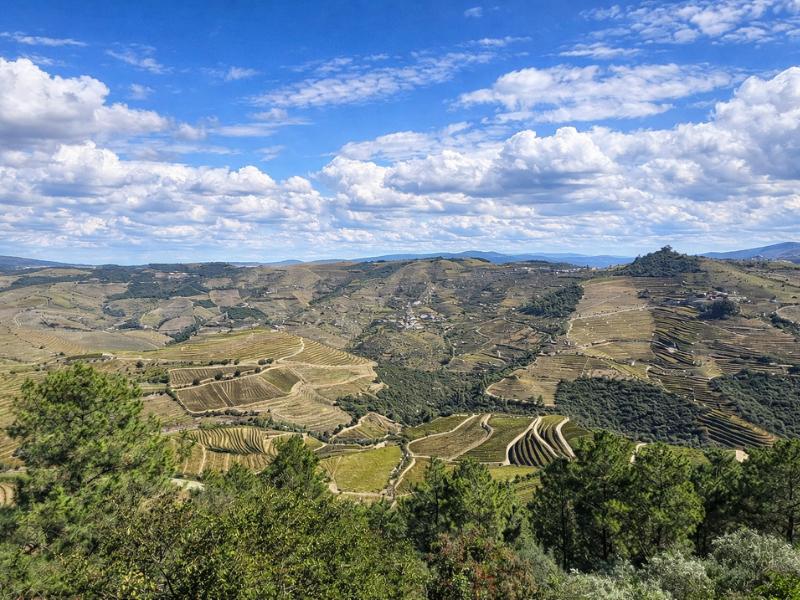
Porto combines everything a wine traveler needs within a compact, walkable geography. The historic Port wine cellars are across a single bridge. The Douro Valley, the oldest demarcated wine region in the world, is 90 minutes east. The city itself has a wine bar culture that has grown considerably in the last decade, and the WOW cultural district in Gaia opened a 55,000 square metre wine museum complex that changed what a half-day in the neighborhood can look like. No European wine city puts this much within such easy reach.
The reason Porto sits at the center of Portuguese wine tourism is partly historical and partly geographic. Port wine was never made here. The grapes grow in the Douro Valley, 90 to 130 kilometers inland, where the schist hillsides and continental climate create conditions that no other place in Portugal can replicate. But once made, the wine traveled downriver to Vila Nova de Gaia, on the southern bank of the Douro opposite Porto, where the humid Atlantic air provided ideal conditions for long barrel aging. British merchants set up lodges here from the 17th century onward, and the law codified the arrangement: all wine destined to be called Port had to be aged in Gaia’s cellars.
We’ve detailed Douro Valley day trip from Porto wine tours because this full-day commitment requires planning – choosing between boat cruises, train journeys, or van tours affects your entire experience and what vineyards you visit.
That historical accident concentrated more than 60 working wine lodges in a single walkable strip of real estate just across from Porto’s old town. Nowhere else in the world is the production and aging infrastructure of a major wine region this close to a major city. Bordeaux has its chateaux scattered across a wide appellation. Burgundy’s famous estates require a car and a day. In Porto, you wake up in a hotel in Ribeira, walk across an iron bridge designed by a colleague of Gustave Eiffel, and are inside a centuries-old Port lodge before your first coffee has worn off.
The wider context is worth noting. Portugal received around 31.6 million visitors in 2024, its best year on record, generating roughly €27 billion in tourism revenue. The Norte region anchored by Porto and the Douro Valley drew around 15 percent of national visitors, and wine tourism was a primary driver. This is not a hidden destination. It is one of Europe’s most recognized wine travel regions, and the infrastructure, accommodation, and tour quality have risen to match that status. Porto is not resting on its Port wine reputation either. The Douro’s unfortified table wines, built on Touriga Nacional and Touriga Franca, are increasingly drawing serious international attention, and a new generation of wine travelers is coming for both.
If you’re feeling overwhelmed by all the wine options, here’s how to plan a trip to Porto wine tours so you don’t waste time figuring out which cellars require reservations and which you can walk into.
Where Do You Actually Drink Wine in Porto: The City vs. The Cellars?
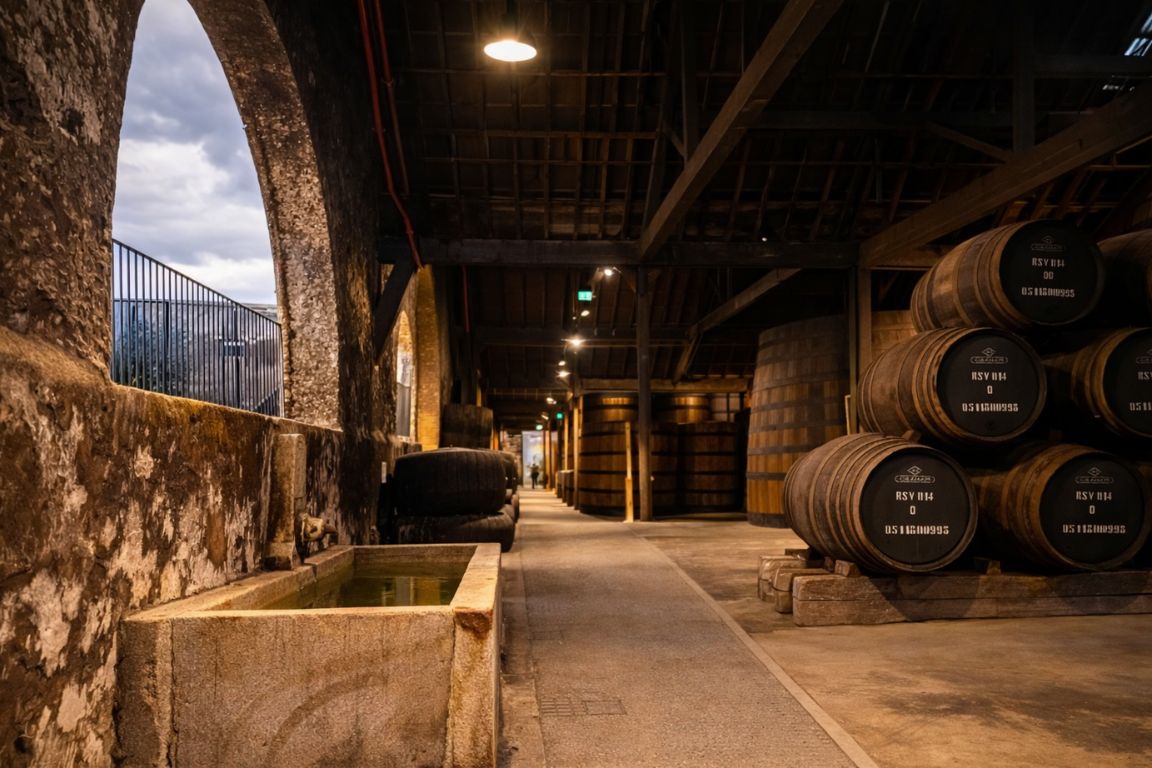 The Port wine cellars are technically in Vila Nova de Gaia, not Porto itself. You reach them by crossing the Dom Luis I Bridge, a ten-minute walk from Ribeira. Once in Gaia, the cellar district runs along the waterfront. Porto proper has its own strong wine bar scene, concentrated in Ribeira, the Baixa, and Cedofeita. The two sides of the river offer genuinely different experiences, and a complete visit uses both.
This geographic distinction trips up travelers more than almost anything else. The famous Port houses, Graham’s, Taylor’s, Ferreira, Sandeman, Calem, all sit in Gaia. They are not hard to reach. The bridge is scenic and the walk is pleasant. But the assumption that you can wander out of your Porto hotel and immediately start tasting Port at a nearby lodge is technically wrong. The lodges are across the water.
What Porto proper has is a distinct, evolved wine bar culture that has matured alongside the city’s gentrification. Prova in Ribeira is one of the oldest and most respected wine bars in the city, known for its sommelier-led approach and its emphasis on wines by the glass from across Portugal’s regions. Wine Quay Bar, sitting on the Douro waterfront with direct views of the Gaia lodge buildings across the river, is the kind of place where you watch the six-bridges cruise boats pass while working through a Portuguese cheese board and a flight of Tawny. O Genuino in Aliados has built a strong following for natural wines. Cave Bombarda in the Cedofeita creative district draws a local crowd rather than a tourist one.
| Port cellar guided tour + tasting | Vila Nova de Gaia | History, barrel rooms, 2 to 3 Port wines poured | €14 to €45 | Yes, especially peak season |
| Premium tasting / masterclass | Vila Nova de Gaia | Aged Tawny, Vintage Port, deep education | €80 to €160+ | Essential |
| Wine bar (tasting by glass / flight) | Porto city (Ribeira, Baixa, Cedofeita) | Portuguese wines by region, local cheeses and charcuterie | €4 to €12 per glass | Sometimes for small bars |
| WOW wine museum + tasting | Vila Nova de Gaia | Interactive wine history, 3 wines included in Wine Experience | €15 to €40 per museum | Recommended |
| Douro Valley guided day tour | Departing Porto | 2 quinta visits, traditional lunch, 1-hour river cruise | €89 to €120 | Yes, 2 to 6 weeks ahead |
| Food and wine walking tour (Porto) | Porto city center | Multiple tasting stops, local food pairings, Port masterclass finale | €65 to €95 | Yes |
Prices verified March 27, 2025
The cleanest way to think about the two sides: Gaia is where you go to understand Port wine in its historic context, inside the buildings where it has aged for centuries. Porto proper is where you go to discover everything Portugal makes beyond Port, in places that feel more like lived-in neighborhood spots than wine tourism infrastructure. A good two or three days uses both.
Since 2014, our team at Porto Wine Tours has been combining the best of both sides of the river into itineraries that feel genuinely tailored rather than templated. If you want guidance on how to structure the time you have, we are happy to help.
Overwhelmed by choices in Vila Nova de Gaia? Check out our breakdown of the best Port wine cellars in Porto wine tours – it cuts through the marketing to show you which lodges are actually worth your time.
What Types of Wine Experiences Are Available in Porto?
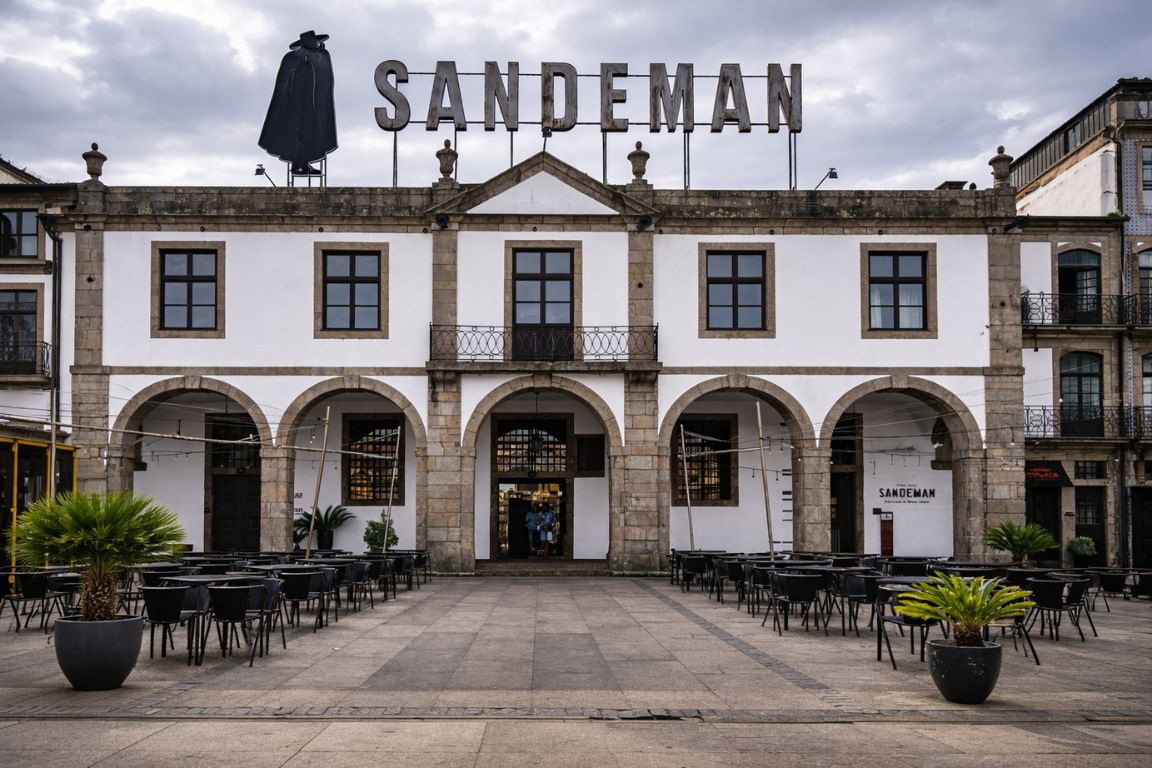 Porto’s wine experiences span five distinct categories: classic Port cellar tours in Gaia (€14 to €45), premium tastings and masterclasses at the top houses (€80 to €160+), the WOW World of Wine cultural district (seven museums, multiple tasting options), guided Douro Valley day tours from Porto (€89 to €120), and the city’s own wine bar scene with by-the-glass and curated flight options. Each category suits a different traveler and a different depth of interest.
The classic cellar tour is where most wine tourism in Porto begins. You enter a lodge, walk through cool barrel corridors with a guide who has been explaining fermentation and aging to curious visitors for years, and finish with two or three pours in a tasting room. It is a structured, educational experience that covers the basics of Port wine in under 90 minutes. Done well, it answers every question a first-time visitor has about what they are drinking and why it tastes the way it does. Done badly, it feels like a museum exhibit with too many people moving through it too quickly.
The premium tasting tier is a different product. A Fonseca Vintage masterclass, for example, puts three decades of declared Vintage Port side by side and walks you through how a single estate wine changes across 20 years of aging. A 40-year-old Tawny tasting at Sandeman runs around €160 per person. These are not tourist activities. They are genuinely educational wine experiences that happen to be delivered in one of the most historically significant wine regions in the world.
WOW deserves its own category because it is neither a traditional cellar nor a wine bar. The World of Wine is an €85 million cultural district built inside restored Port wine cellars in Gaia, opened in 2020 and comprising seven museums, twelve food and drink venues, a wine school, and various event spaces covering 55,000 square metres. The Wine Experience museum includes a tasting of three wines as part of the entry ticket. Planet Cork explores Portugal’s cork industry. The Pink Palace is dedicated to rosé wine with five tastings included. You can spend a full day there and leave with a richer understanding of Portuguese wine and culture than any single cellar tour delivers. It is particularly strong on rainy days or for wine travelers who want context before they start visiting lodges.
The Douro Valley day tour from Porto is where the story of Port wine actually begins. The grapes that end up in the cellars in Gaia are grown on the terraced hillsides upstream. Visiting a quinta in the valley connects the bottle in the cellar to the land that made it. A well-run guided day tour covers two estates, gives you a proper lunch at a family quinta with a view of the river, and puts you on a boat for an hour of floating through a UNESCO World Heritage landscape. It is the single experience that our travelers consistently describe as the highlight of their entire Porto trip.
Not sure about the classifications? Check out our guide with types of Port wine explained – vintage, tawny, ruby, LBV, and what those terms actually mean in your glass.
Recommended tours by season
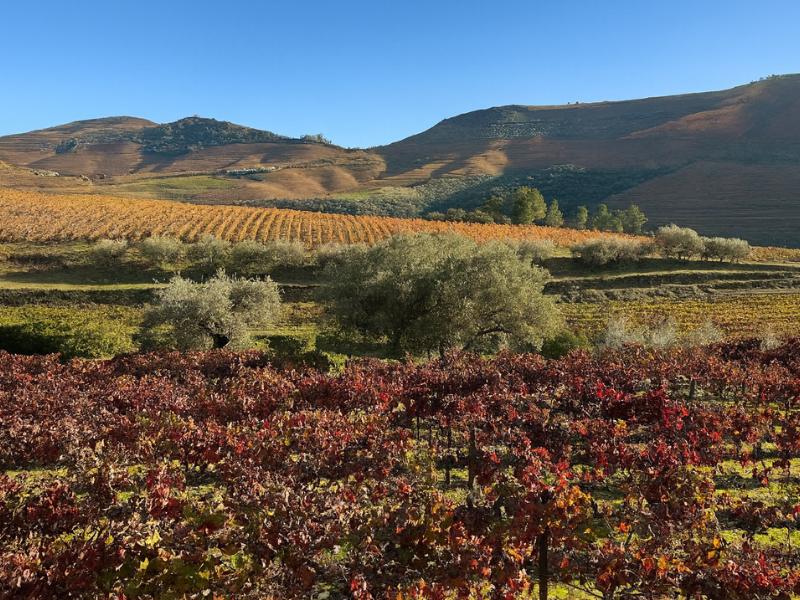
Full-Day Douro Valley Wine Tour with Lunch, Tastings & River Cruise
Late spring through early autumn: ten hours from Porto with tastings, lunch, and a river cruise. Lock this date first and let the city days flex around it.
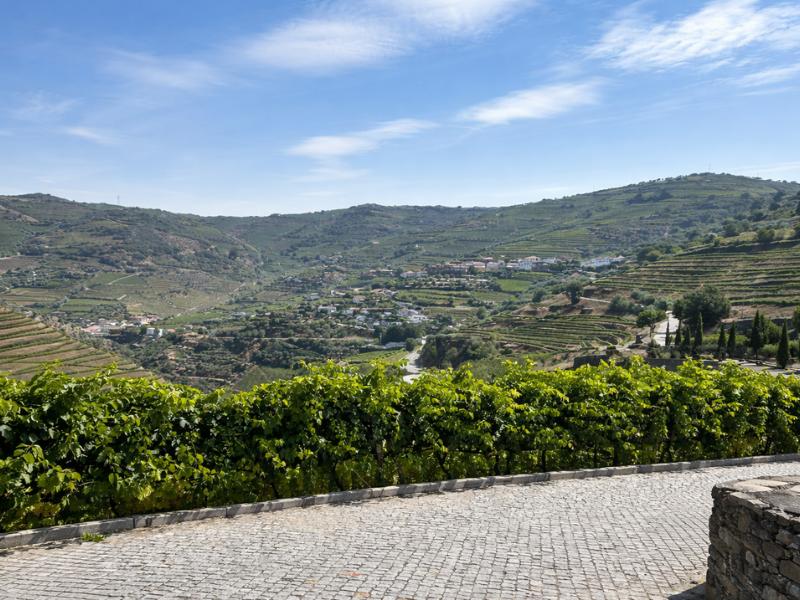
Douro Valley 3-Vineyard Tour with Wine Tastings and Lunch Included
September and October: three vineyard stops, tastings, and lunch on a ten-hour day. Fits the harvest window this guide names as a prime time to visit.
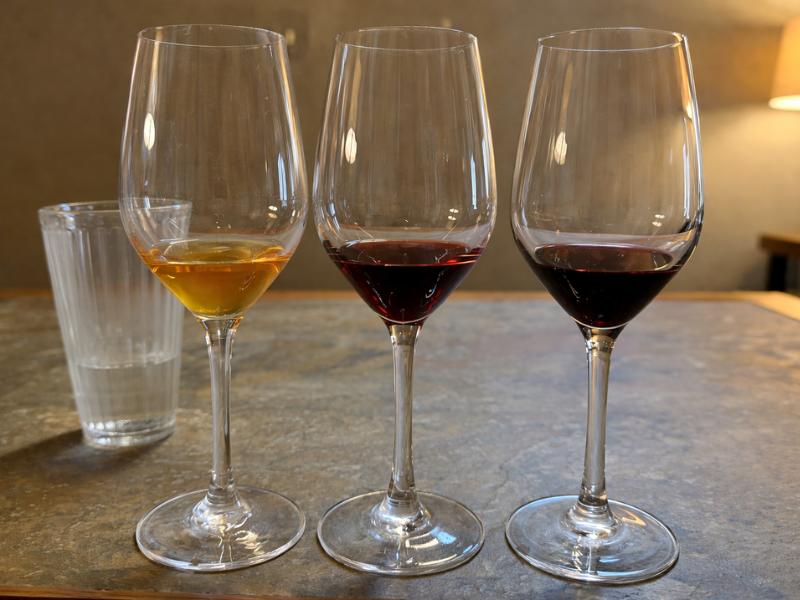
Classic Port Wine Lodges Tour with 7 Generous Tastings (English)
Any month, including wet winter days: three hours in the Gaia lodges with seven Port tastings and an English-speaking guide. No valley transfer required.
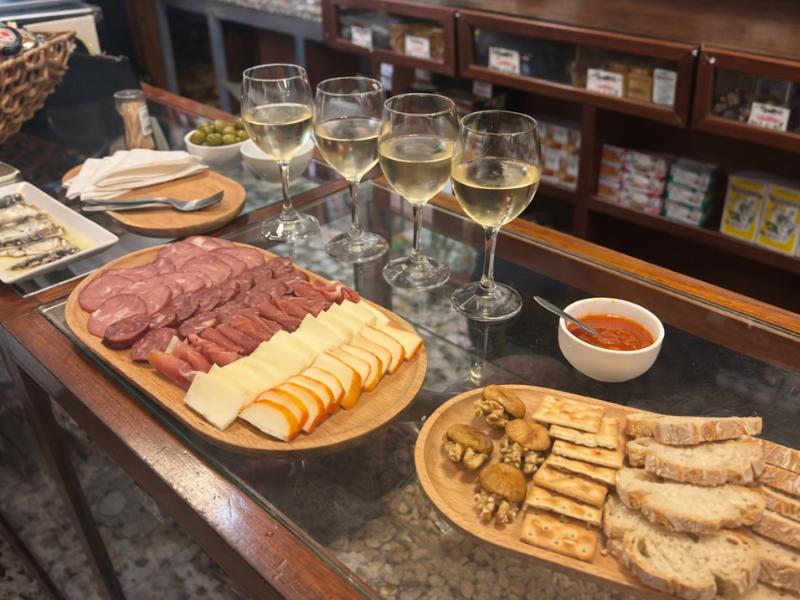
Delicious Porto Food and Wine Walking Tour with Local Guide
Year-round city day: four hours on foot with food stops and wine, for the day you stay on the Porto side of the river.
Which Neighborhoods Should Wine Tourists Base Themselves In?
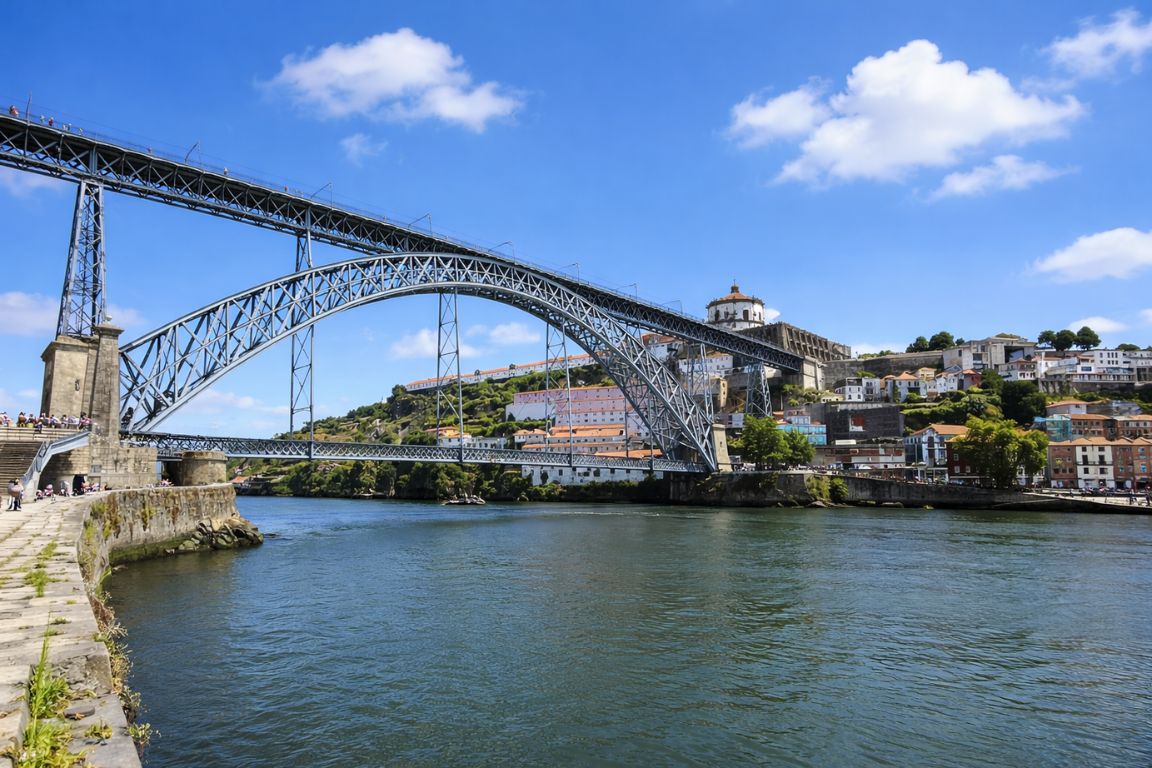 For wine tourists, the two best bases are Ribeira in Porto and the riverside area of Vila Nova de Gaia. Ribeira puts you in Porto’s most iconic neighborhood with immediate access to the Dom Luis I Bridge and Gaia’s cellars a ten-minute walk away. Staying in Gaia puts you steps from the cellar district with spectacular views of Porto across the river. Both choices work well. Gaia costs less, Ribeira has more restaurant variety. Baixa is a strong third option for travelers who want city-center access without riverfront premium prices.
Ribeira is what most visitors picture when they think of Porto: narrow cobbled lanes descending to the Douro waterfront, colorful facades stacked up the hillside, boats in the foreground and the Dom Luis I Bridge arching overhead. It is beautiful and genuinely atmospheric. It is also Porto’s most visited neighborhood, which means prices are at their highest and evenings along the immediate waterfront can feel crowded. The restaurants closest to the water charge tourist premiums. Walking two or three blocks inland brings both quality and prices back to normal. Ribeira earns its reputation, but staying there rewards travelers who treat it as a base for walking in all directions rather than camping on the esplanade.
Gaia as a base is undervalued in most travel advice. Staying on the Gaia riverfront means the Port cellars are genuinely at your doorstep, the views back across the Douro to Porto’s skyline are arguably better than the views from Porto itself, and hotel prices run somewhat lower than comparable Ribeira properties. The Teleférico de Gaia cable car connects the waterfront to the upper Jardim do Morro neighborhood. The bridge walk to Porto takes ten minutes. WOW is walking distance. The main consideration is that Porto’s broader restaurant variety, wine bar scene, and neighborhood character are across the bridge, which means daily crossings rather than an integrated in-city experience.
| Ribeira (Porto) | Atmosphere, walking distance to everything | 10 to 15 min (bridge walk) | €120 to €200/night | Highest prices, some tourist-trap dining |
| Gaia Riverfront | Wine cellar access, Porto skyline views | 2 to 5 min on foot | €90 to €160/night | Cross bridge for Porto dining and bars |
| Baixa / Aliados (Porto) | Central location, transport access | 15 to 20 min walk or metro | €100 to €160/night | Less riverfront atmosphere |
| Bonfim (Porto) | Budget-conscious, local feel | 20 to 25 min walk | €60 to €100/night | Further from the action; excellent food |
| Cedofeita (Porto) | Natural wine bars, galleries, local vibe | 20 to 25 min walk or metro | €90 to €140/night | Not riverfront; strong neighborhood wine scene |
Prices verified March 27, 2025
One detail worth knowing about Gaia specifically: the neighborhood is hilly. The waterfront area is flat and walkable, but the cellars set further back from the river, and lodges like Graham’s and Cockburn’s which sit up the hill, require a climb that some travelers find unexpected after a morning of tastings. The cable car helps with this, and the views from the top are worth the effort. Just factor the topography into your planning.
What Wine Regions Can You Explore from Porto?
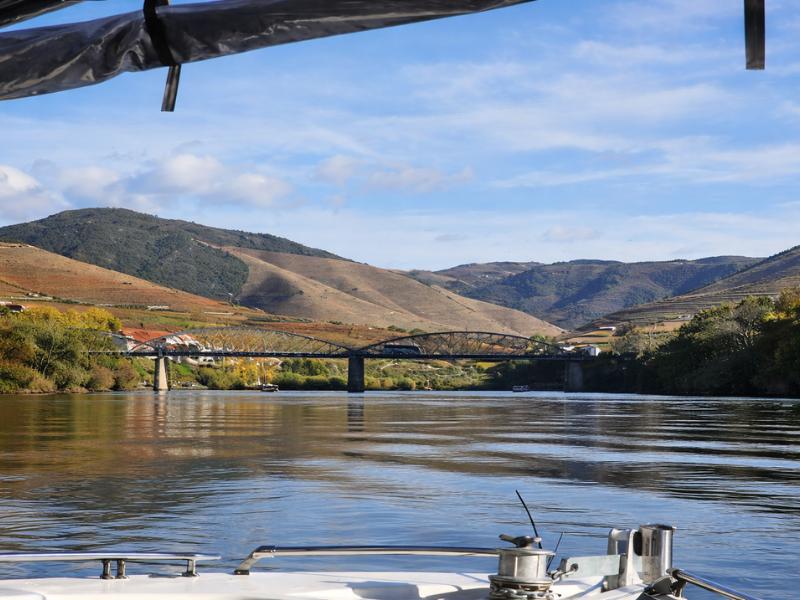
Three significant wine regions are within easy reach of Porto. The Douro Valley, the world’s first demarcated wine region (1756) and a UNESCO World Heritage Site, is 90 minutes by car or 2.5 hours by train and produces both Port and acclaimed unfortified table wines. Vinho Verde country begins 30 to 45 minutes north, offering bright whites and Alvarinho. The Bairrada DOC, two hours south, makes Portugal’s most serious sparkling wines. A five-day trip from Porto can reasonably cover all three.
The Douro is the core of any Porto wine tourism itinerary. The valley divides into three sub-regions: Baixo Corgo near Regua in the west, Cima Corgo around Pinhao in the middle, and Douro Superior extending east toward the Spanish border. For most day-trippers from Porto, Cima Corgo is the destination. Pinhao sits in its center, surrounded by some of the most famous quintas in Port wine history, and the Pinhao train station itself is one of the great architectural experiences in Portugal, its platforms covered in azulejo tile panels depicting the valley’s harvest traditions.
Vinho Verde is underexplored by most wine tourists who come to Porto focused on Port. The sub-appellation of Monção e Melgaço, just 90 minutes north along the Minho River toward the Spanish border, produces Alvarinho of real distinction. This is not the light fizzy wine that Vinho Verde has exported to the world. These are structured, aromatic whites with enough body and complexity to age, sold at prices that embarrass similarly positioned wines from more famous regions. A half-day north of Porto on the way to or from a Douro trip covers this territory without requiring a separate excursion.
The Douro is also producing table wines that deserve more attention than they currently receive from international visitors who come purely for Port. Unfortified Douro reds from Touriga Nacional, Touriga Franca, and Tinta Roriz are serious wines. At the source, estate-bottled Douro DOC reds sell for €12 to €25 at a quinta restaurant, wines that would comfortably sit at €40 to €60 in London or New York if anyone imported them in meaningful quantity. Buying several bottles at the quinta before you return to Porto is one of the smarter things a wine traveler does on this trip.
How Do You Build a Wine Tourism Itinerary in Porto?
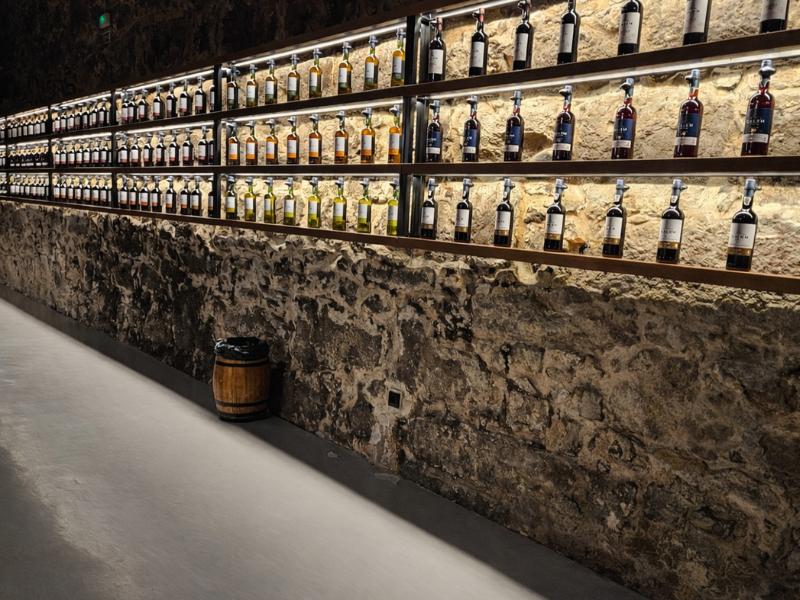
A three-day Porto wine itinerary works best with one day in the Gaia cellars and WOW, one full day in the Douro Valley, and one day exploring Porto’s wine bars and food scene. Five days allows a deeper valley experience, a Vinho Verde excursion north, and a more relaxed pace through the cellar district. Build around the Douro Valley day first, then plan everything else around it, since the valley day requires an early departure and shapes the rhythm of the trip.
The sequencing matters more than most itinerary advice acknowledges. We consistently recommend doing a cellar tour on day one, before the Douro Valley visit, because the cellar tour teaches you what Port wine is and how it is made. When you then stand in a quinta the following day and watch the winemaker explain the fermentation process, you have context. You understand where the spirit goes in. You know what the difference between Ruby and Tawny means at the production level rather than just the glass level. The cellar visit educates; the valley visit makes it real.
A practical three-day framework:
Day one, arrive and go straight to Gaia. Cross the bridge in the late morning when the cellar queues are thinner than they will be by afternoon. Do one proper guided tour at a house that interests you. Spend the second half of the afternoon at WOW’s Wine Experience museum. Have dinner in Gaia with a view of the Porto skyline at night. Order an aged Tawny with dessert. Sleep well.
Day two is the Douro Valley. Leave before 9am with a guided tour, or arrange private transport if your group prefers flexibility. The valley takes a full day to do properly. Two quinta visits, lunch with a view of the river, the boat cruise in the afternoon when the light is best on the terraced hills. Arrive back in Porto around 7pm. This is the day people remember for years afterward. It earns that reputation.
Day three belongs to Porto itself. The city has more to offer between wine visits than most wine-focused travelers give it time for. The Bolhao market in the morning, still one of the most genuine food markets in northern Portugal. A wine bar lunch at Prova in Ribeira. The afternoon climbing toward the Clérigos Tower for a view of the city that puts its geography in perspective. End the trip with a fado dinner in a proper venue. The music, if you find the right place, does something that no amount of wine tourism quite manages.
We’ve been running both the cellar day and the Douro Valley day for over a decade. Let us take care of yours while you focus on the glass in your hand.
Wondering how to organize your days? Our Porto wine tours itinerary walks you through which cellars to visit when, how to fit in Douro Valley, and when to schedule breaks between tastings.
What Should First-Time Wine Tourists to Porto Know Before They Go?
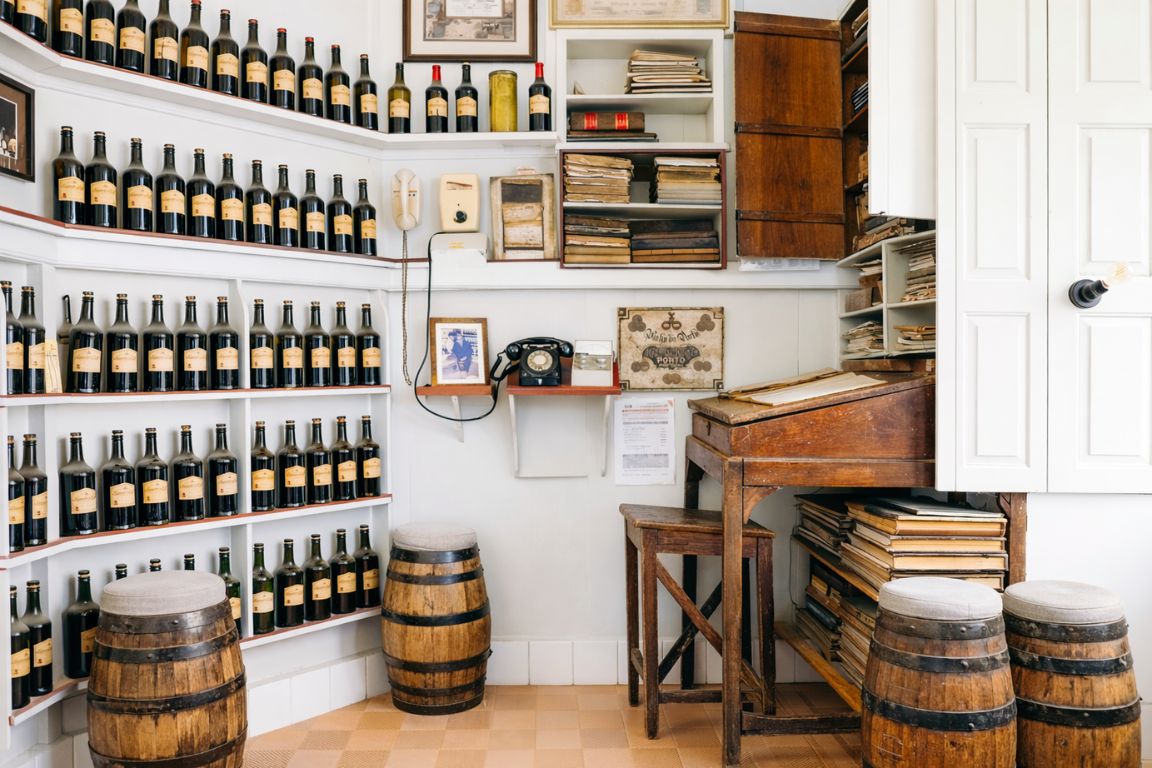 The six things that separate a great Porto wine trip from a good one: booking cellar tours and the Douro Valley day in advance (at least two weeks for summer, four to six weeks in peak season); understanding that the famous cellars are in Gaia not Porto; tasting beyond Port wine to include Douro unfortified reds and Vinho Verde whites; visiting at least one smaller family-run cellar alongside the famous names; arriving at the cellars before 11am on weekdays; and buying bottles at the source rather than at airport duty-free.
The advance booking issue is consistent and persistent. Travelers who arrive in Porto with a vague plan to visit Graham’s and walk into Calem get caught off guard by sold-out English tours, full terraces, and long queues for walk-in tastings. In July or August, the most popular cellars can be booked out weeks in advance for English-language tours. This is not hyperbole. The fix is simple and costs nothing: check availability online before you travel. Book the experiences that matter to you. Leave the rest of the day flexible.
The question of which cellar to choose is one we hear constantly. Our honest answer: visit one famous name and one smaller family-run house, and compare the two experiences. The famous names, Graham’s, Taylor’s, Ferreira, offer strong education and beautiful facilities. Ferreira in particular earns its reputation as locals’ favorite: it is the only major house with Portuguese rather than British origins, and the story of Dona Antonia Adelaide Ferreira, the woman who built the estate in the mid-1800s, is genuinely compelling. But alongside one of those, try Poças, Quevedo, or Niepoort. The guides have more time. The pours are more generous. The conversation goes deeper. You taste wines you cannot buy outside Portugal. The comparison between the two types of house tells you more about Port wine culture than either experience alone.
On the wine bar side of Porto: do not leave the city having only drunk Port. Portugal has 250 indigenous grape varieties, 14 wine regions, and a wine culture that extends well beyond the famous fortified wine. The wine bars in Porto’s city center carry Douro reds, Dao whites, Alentejo blends, and natural wines from small producers across the country. Prova, Dogma, O Genuino, and Cave Bombarda all offer staff-guided flights that can reframe what Portuguese wine means. A good sommelier in Porto will pour you things you have never heard of and explain why they taste the way they do. That conversation, on a small terrace in Cedofeita or at a bar in the old town with the evening noise of the city outside, is one of the underrated experiences of visiting Porto as a wine traveler.
What Our 8,700 Travelers Tell Us About Porto Wine Tourism
Since founding Porto Wine Tours in 2014, we have tracked what travelers find most valuable, what surprises them, and what they wish they had done differently. Here is what the patterns across our guest groups show.
| Single experience rated highest by our travelers | Private Lunch at a Douro Quinta |
| % who said they wished they had visited a smaller cellar alongside a famous one | 68% |
| % who discovered Douro unfortified table wines for the first time during their trip | 74% |
| Most common booking mistake reported by guests | Underestimating the 1.5-hour travel time to the Douro |
| Average number of cellar visits per guest group over a 3-day trip | 3.2 visits |
| % who purchased wine to take home from a quinta or cellar | 81% |
Frequently Asked Questions
Is Porto worth visiting just for wine?
Absolutely. Porto offers more wine tourism depth per square kilometer than almost anywhere in Europe. Within a single city and its immediate surroundings you have the historic Port wine cellars in Gaia, the WOW cultural district, Porto’s own wine bar scene, and easy access to the Douro Valley and Vinho Verde country. The city itself, beyond wine, adds architectural beauty, a strong food culture, and a genuinely livable energy that makes time between tastings enjoyable rather than filler.
Do I need to know about wine to enjoy Porto wine tourism?
No. The cellar tours are designed for curious visitors at every level, from complete beginners to serious collectors. The best guides calibrate their explanations to what you know and what you want to learn. WOW’s museums are accessible without any prior wine knowledge. The wine bars have staff who enjoy explaining what they are pouring. Arrive curious and ask questions.
How do I get to the Port wine cellars from Porto?
Walk across the Dom Luis I Bridge from Ribeira. The lower level deposits you on the Gaia waterfront, where the cellar district begins immediately. The walk takes about ten minutes. You can also take the metro to Jardim do Morro station (on the upper level of the bridge in Gaia) or cross by Uber. The bridge walk is the recommended approach for the views.
Is the Douro Valley worth a full day from Porto?
Yes, without question. The valley is where Port wine is actually produced, and seeing the terraced vineyards, visiting working quintas, and taking a river cruise through the UNESCO landscape is a genuinely different experience from the Gaia cellars. A guided day tour from Porto runs €89 to €120 per person including transport, two winery visits, lunch, and the river cruise, and represents the single best-value wine tourism day on the trip.
What is WOW Porto and is it worth visiting?
WOW (World of Wine) is a 55,000 square metre cultural district built inside restored Port wine cellars in Vila Nova de Gaia. It contains seven museums covering wine, cork, chocolate, rosé wine, drinking vessels through history, and Porto’s cultural heritage. Multiple restaurants and bars are on site, along with a wine school. The Wine Experience museum includes a tasting of three wines with entry. It is particularly worth visiting on rainy days, as a starting point for understanding Portuguese wine before visiting cellars, or for travelers who want more than a standard cellar tour.
What wine should I drink in Porto besides Port?
Douro DOC unfortified reds, made from the same Touriga Nacional and Touriga Franca grapes used in Port but without fortification, are among Portugal’s most exciting wines and are sold cheaply at the source. Vinho Verde whites, particularly Alvarinho from Monção e Melgaço in the north, are far more complex than the export versions suggest. The wine bars in Porto’s city center carry wines from Dao, Alentejo, Bairrada, and Madeira, all worth exploring if your time and palate allow.
Questions before you commit?
Mateo and the Porto Wine Tours team have been answering them daily since 2014. We’ve guided over 8,700 travelers through the cellars, the valley, and everything in between. We know which combinations of experiences work and which leave people wishing they had planned differently. Start here.
Written by Mateo Oliveira Santos
Portuguese tour guide since 2014 · Founder, Porto Wine Tours
Mateo has guided over 8,700 travelers through Porto, the Douro Valley, and Portugal’s wine regions since founding the agency.