Porto Wine Itinerary
3 days in Porto? Explore the city first, visit Gaia cellars next, then the Douro Valley - this sequence transforms the whole wine experience.
Booking Choice: Book the full-day Douro outing first, then fit the city and cellar visits around it. For an overnight valley extension, choose a local Pinhão winery ticket rather than another departure from Porto. Explore Douro Wine, Lunch And River Cruise
Last updated: April 12, 2026
At A Glance: Give Porto and Gaia their own city time, then reserve a separate day for the Douro. Add another wine region or a valley overnight only when the schedule allows. Explore Douro Wine, Lunch And River Cruise
Quick Summary A 3-day Porto wine itinerary covers the city on day one, the Gaia cellars on day two, and the Douro Valley on day three. Do them in that order: orientation first, then the cellars, then the valley. Going to the cellars before the valley is not a preference, it is the correct sequence. The vocabulary and tasting experience you build in Gaia on day two makes every quinta visit on day three three times more interesting. Four days adds options. Fewer than three and something important gets cut.| Minimum recommended stay | 3 nights (Porto base) + 1 Douro day trip; 4 nights ideal |
| Correct sequence | Day 1: Porto city. Day 2: Gaia cellars. Day 3: Douro Valley. Day 4: WOW / Vinho Verde / second cellar |
| Day 1 anchor experiences | São Bento station, Ribeira waterfront walk, Wine Quay Bar or Prova in the evening |
| Day 2 cellar combination | One large house (Graham’s or Ferreira) + one small (Quevedo or Niepoort). Two is enough. Three is too many. |
| Day 3 Douro departure | Leave Porto by 8:30am. Group tour €89 to €120 pp. Private tour €150 to €250 pp. |
| Day 4 best add-on | WOW (World of Wine) complex in Gaia; Quinta da Aveleda for Vinho Verde (40 min north) |
| Best base | Ribeira or Baixa for Porto-side. The Yeatman in Gaia for wine-focused luxury. |
| Book ahead | Cellar tours, Douro Valley tour, and dinner reservations; all before you fly |
| Prices verified | March 27, 2025 |
How Many Days Do You Need for a Porto Wine Itinerary?
Three days is the minimum for a Porto wine itinerary that includes both the Gaia cellars and the Douro Valley. Two days gives you the city and the cellars but cuts the valley, which is the experience most travelers describe as the best part of the trip. Four days is the ideal: it adds a full half-day for WOW, a Vinho Verde detour, or a second cellar visit without any rushing. Five days or more opens up an overnight in the Douro, which changes the trip entirely.
The honest version of this answer is that three days feels tight if you try to do everything. Something will move faster than you wanted. Lunch at a quinta restaurant will run long because it always does, or the afternoon cellar tour will start late, or you will simply sit down at a wine bar on the first evening and lose an hour to a glass of White Port and the Douro in front of you. Porto rewards the people who accept that it is not an efficient city to visit. The cobblestones, the hills, the time it takes to walk anywhere with a view: none of this lends itself to a schedule.
What three days gives you, if you sequence it correctly, is the skeleton of the story. Porto on day one orients you to the city and gets you to the water. The Gaia cellars on day two build the vocabulary you will need in the valley. The Douro Valley on day three is when the vocabulary becomes experience: you are standing in the vineyard where the grapes for the Port you tasted yesterday were grown, and the winemaker is talking about the decisions being made right now for the vintage coming this September. That arc, from city to cellar to source, is what a Porto wine itinerary is trying to create. Three days can do it. Four days does it better.
Need help with logistics? Check out our breakdown on how to plan a trip to Porto wine tours – from navigating Vila Nova de Gaia’s cellars to timing Douro Valley excursions.
What Should You Do on Day One in Porto?
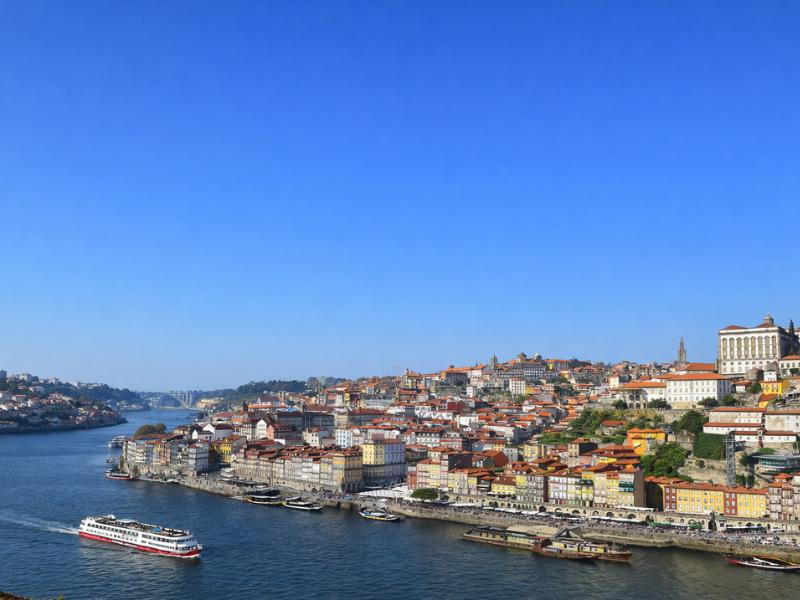
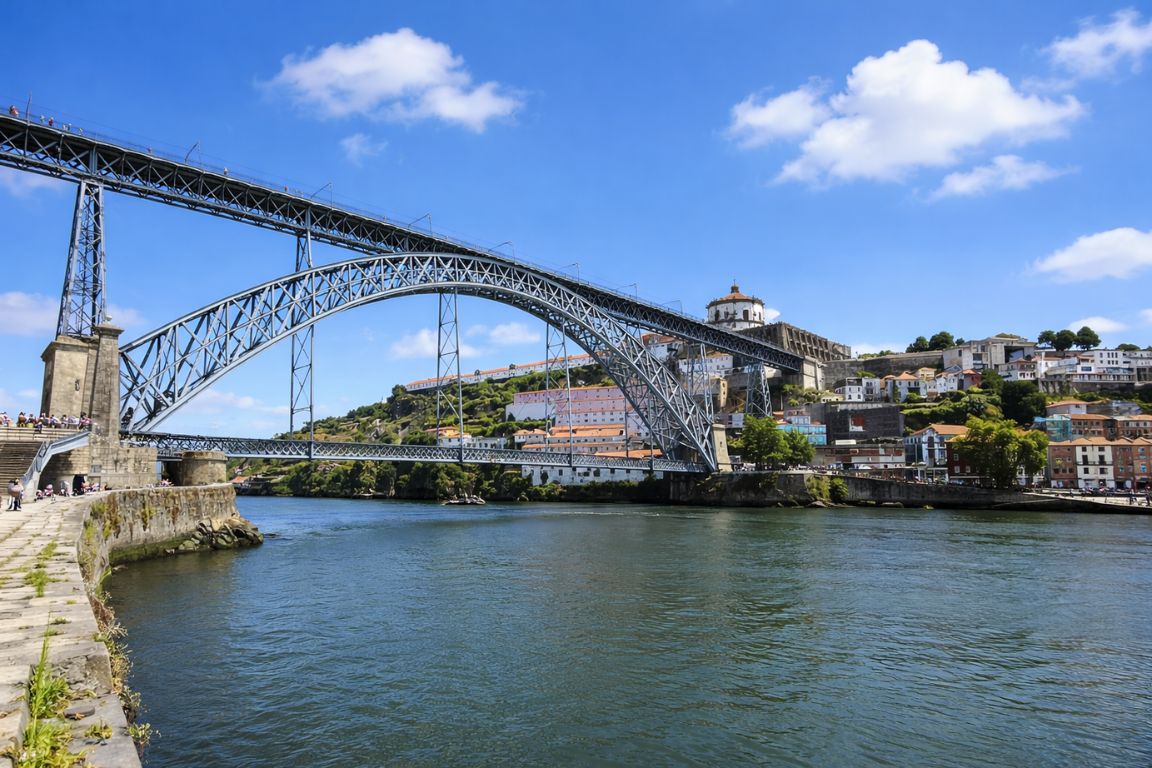 Day one belongs to the city. Walk São Bento station, follow the streets downhill to Ribeira, and spend the afternoon on or near the waterfront. The goal is orientation: learning where the river is in relation to where you are sleeping, understanding that the cellar buildings you can see across the water are in Gaia and not Porto, and arriving at a wine bar by evening with a sense of what this place is before you start formally tasting through it.
São Bento station is the starting point most local guides use, not because it is the most important building in Porto, but because it is the one that stops people in their tracks. The entrance hall is lined with roughly 20,000 hand-painted azulejo tiles depicting Portuguese history and rural life. You walk in to catch a train and end up standing still for fifteen minutes reading the walls. The tiles were designed by Jorge Colaço and installed between 1905 and 1916. That detail matters because it locates the building in context: these are not decorative tiles installed for tourism. They are a civic statement made by a city that understood its own history and wanted it documented in blue and white on the walls of the place where people arrived.
From São Bento, the route downhill through the Ribeira district takes about twenty minutes at a slow walk and passes everything worth seeing on foot: the side streets with laundry lines between the upper floors of tiled buildings, the Igreja de São Francisco with its plain Gothic exterior and its interior so covered in gilded baroque carving that the first-time visitor tends to stop moving in the doorway, and finally the waterfront at Cais da Ribeira where the colored buildings stack along the hillside and the Dom Luís I Bridge rises at the far end of the square.
The bridge deserves a separate moment. Most visitors cross it to Gaia at some point on day one, which is fine, but the better use of day one is to stand on the Porto side in the late afternoon and watch what the low sun does to the cellar buildings on the Gaia hillside across the river. This is the view that ends up in every photograph people take of Porto. Seeing it in person, at the right time of day, sets up everything that follows.
Evening means wine. Wine Quay Bar sits just back from the waterfront near the bridge and faces the Gaia cellars across the water. The wine list is short and carefully chosen, covering multiple Portuguese regions. Order a chilled 10-year Tawny Port if you have not had one before. Sit on the terrace. This is how the first day should end: with a glass of something that connects what you have been looking at all day to what you will be tasting tomorrow, and a view that costs nothing extra to sit in front of.
If you would rather have a local guide walk you through day one and tell you which streets to take and which wine bars to sit in, the Delicious Porto Food and Wine Walking Tour with Local Guide is the four-hour version of that walk. We know where the afternoon light is best and which table at Wine Quay Bar to ask for.
What Should You Do on Day Two in Gaia and the Cellars?
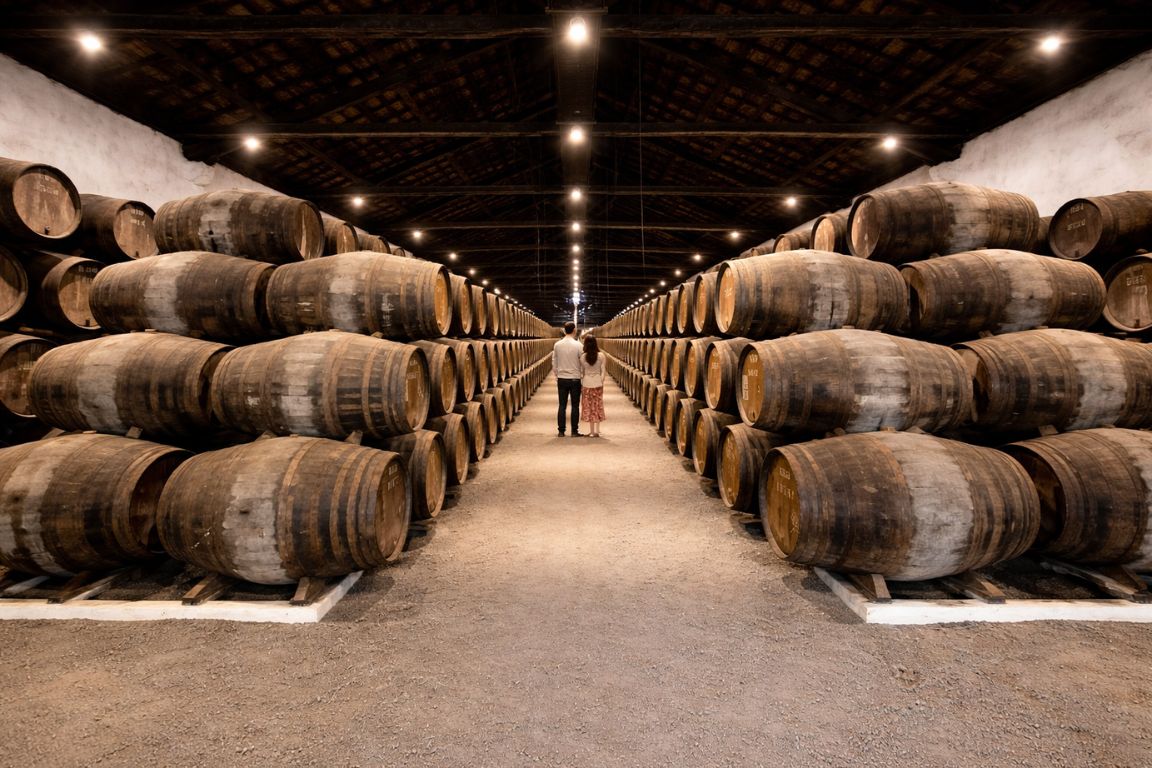 Day two is the cellar day. Cross to Gaia in the morning, visit one large established house and one smaller independent producer, have lunch between the two visits, and spend the late afternoon at the WOW complex or walking the Gaia waterfront. Two cellars is the right number. Trying to fit in three rushes the afternoon visit and you arrive at dinner with more wine in you than retention. The combination that works best: Graham’s or Ferreira in the morning, then Quevedo or Niepoort in the afternoon.
The reason to sequence a large house first is educational. The big houses, Graham’s, Ferreira, Cockburn’s, Taylor’s, have been telling the story of Port wine to visitors for decades. Their guides are trained specifically to cover the categories, the aging process, the difference between a Ruby and a 20-year Tawny, in language that first-time visitors can absorb. Graham’s 1890 Lodge tour covers all of this in about an hour and ends in the Vintage Room, where the tasting includes wines that are genuinely rare. The panoramic terrace views of Porto across the river are good. The Vinum restaurant adjacent to the lodge is one of the best lunch spots in Gaia.
The afternoon visit to a smaller house is where the vocabulary you just built gets tested against a different kind of wine. Quevedo is a family operation run by two Portuguese brothers out of a 200-year-old former cooperage. The tasting room has barrel tables by the windows. There is no mandatory guided tour. You sit down, you work through the wines, and the host has time to answer actual questions because there are not twenty other visitors waiting. The wines include single-harvest Colheitas that most tourists never encounter at the larger houses. The White Port Single Harvest tasting is worth coming specifically for.
Niepoort works differently. It is appointment-only, accepts a maximum of 24 visitors per day, and feels nothing like any other cellar in Gaia. The family has been making Port since 1842 and the wines reflect it: the Garrafeira range is port aged in glass demijohns rather than oak barrels, which changes everything about the texture. The experience from €45 per person is among the most serious wine education available in Gaia. Book it three to four months ahead for September, six to eight weeks ahead in other seasons.
| Graham’s | First-timers; view seekers | Vintage Room tasting; 1890 Lodge; Vinum restaurant terrace | From €20 (tour + tasting); €60 to €70 (Vintage Room) | 3 to 4 weeks |
| Ferreira | Portuguese history angle | Only major cellar with Portuguese (not British) founder story; Dona Antónia Ferreira heritage | From €18 | 1 to 2 weeks |
| Cockburn’s | Tawny specialists; cooperage visitors | Only working cooperage in Gaia; John Smithes private room; 1937 Colheita on wood | From €18; premium €75 | 2 to 3 weeks |
| Taylor’s | Independent pace travelers | Self-guided audio; Barão Fladgate restaurant; peacock garden; no group timing pressure | From €25 | 1 to 2 weeks |
| Quevedo | Afternoon second visit; relaxed format | Cheese pairing at barrel tables; single-harvest Colheitas; family-owned; no tour pressure | From €25 | Drop-in or 1 week |
| Niepoort | Serious wine travelers | Max 24 visitors/day; Garrafeira Port; most intimate cellar in Gaia; appointment-only | From €45 | 6 to 8 weeks (off-season); 3 to 4 months (Sept) |
Prices verified March 27, 2025. Contact cellars directly for current availability.
Lunch on day two should happen between the two cellar visits, not before either of them. Eating before a tasting dulls the palate in ways that are hard to compensate for. Vinum at Graham’s, if you book the morning tour, has a terrace restaurant that is genuinely worth the price. Barão Fladgate at Taylor’s serves in a beautiful dining room with valley views. Both are well above average. If you want something lighter and cheaper, the Gaia waterfront has enough options that walking until something looks right is a reasonable strategy. Avoid the most tourist-facing spots at the very base of the cable car. They survive on foot traffic, not quality.
If you want to skip the research, here are the best Port wine cellars in Porto wine tours based on tour quality, tasting selection, and which ones balance history with genuine wine education.
What Should You Do on Day Three in the Douro Valley?
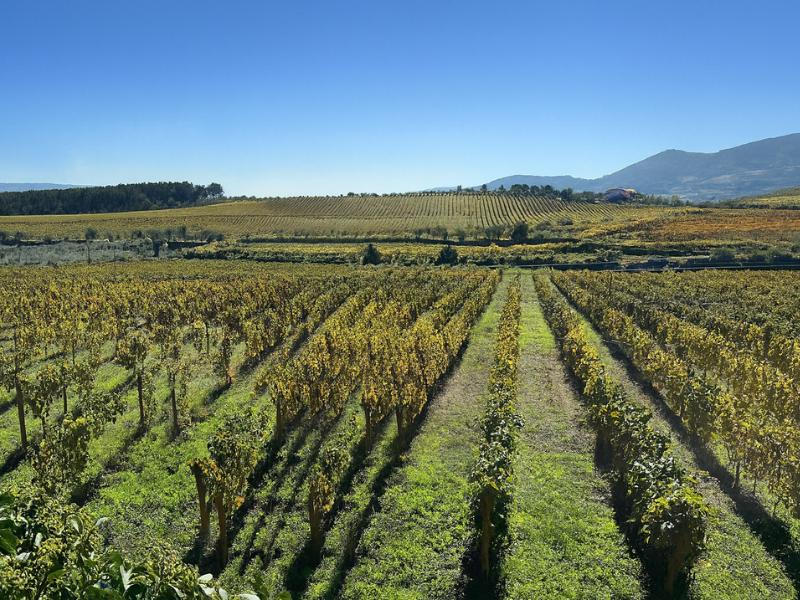
Day three is the valley. Leave Porto by 8:30am at the latest. A group guided tour runs €89 to €120 per person and includes two quinta visits, a traditional lunch, and an hour-long rabelo boat cruise from Pinhao. A private tour costs €150 to €250 per person and gives you a dedicated vehicle, a guide with no other group demands, and access to smaller family quintas that do not take group bookings. Both formats deliver an exceptional day. The private tour delivers a different day.
The reason for the early departure is the valley itself. The Douro runs roughly 90 minutes from Porto at highway speed, but the best viewing roads and the most scenic quinta entrances are on the slower N222 that follows the river. A tour that departs at 8:30 can make time for the N222 and still arrive at the first quinta before the mid-morning rush. Departing at 10am almost always means arriving in a carpark with three other tour vans. The difference is tangible.
The sequencing point that most itinerary guides miss is why the cellar day should come before the valley day, not after. When a quinta winemaker in the Douro talks about Ruby Port and Tawny Port, they assume vocabulary. They use words like lagar, must, fortification, and they refer to grape varieties by name. Tourists who arrive in the valley having never visited a cellar sit through the first twenty minutes of every quinta tour with their attention divided between following the explanation and trying to catch up on the concepts. Tourists who spent day two in Gaia with a knowledgeable cellar guide arrive at the quinta already knowing what the winemaker is talking about. Everything lands differently. The tasting makes sense. The vineyard walk makes sense. The lunch conversation is better.
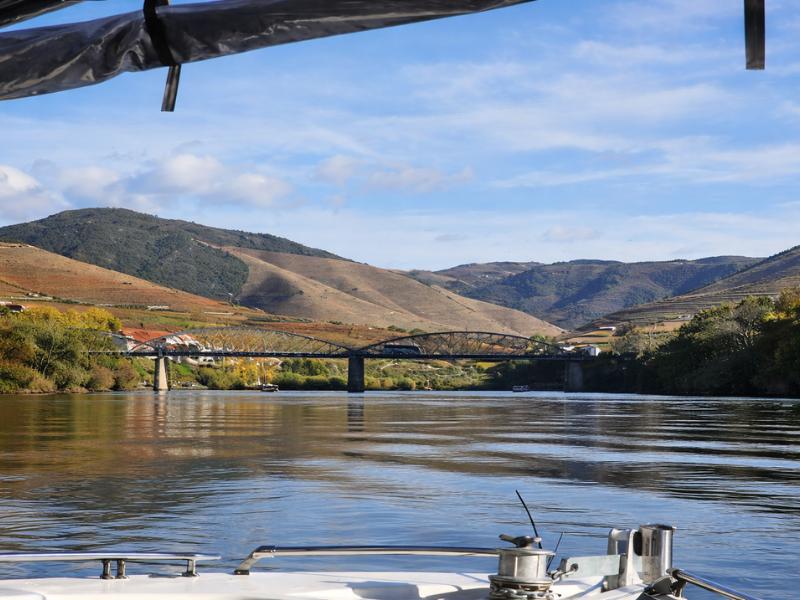
The boat cruise from Pinhao is not optional filler. The one-hour rabelo ride gives you a perspective on the valley that no road can. The terraced hillsides visible from the road are impressive. The same hillsides seen from river level, rising above you on both banks with the river cutting through the middle, are extraordinary. Plan the cruise for the late afternoon if the tour structure allows it. The light on the terraces between 4pm and 6pm in any season is the light that every photograph of the Douro was taken in.
Lunch at a quinta restaurant is the meal of the trip. The kitchens at working Douro estates tend to cook the regional dishes simply and well: bacalhau in several forms, roasted kid goat when in season, the bean and smoked meat stew called feijoada transmontana. The bread is usually baked on the property. The house wine is the estate’s own production and it costs a fraction of what the same wine would cost in Porto. Allow two hours minimum. The quinta kitchen is not in a hurry and neither should you be.
Curious about exploring beyond the city? Here’s our complete Douro Valley day trip from Porto wine tours covering which tour companies know the best quintas and when DIY driving makes more sense.
The Private Douro Valley Best-of Tour is a fully customizable day trip if you want the valley day in a private vehicle rather than a group coach. If the group format is too rigid, the Luxury Douro Valley Day pairs a winery lunch with a private boat cruise.
What Should You Add If You Have a Fourth Day?
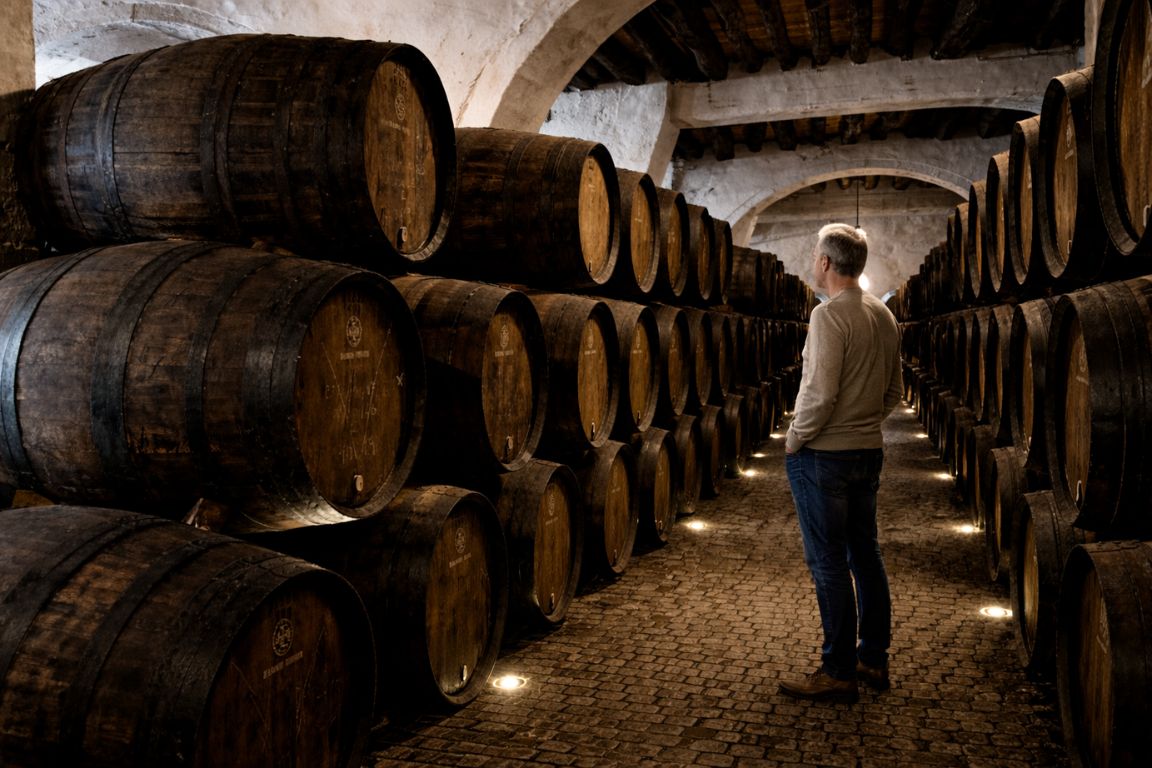 A fourth day in Porto gives you three strong options: the WOW (World of Wine) complex in Gaia for a different kind of wine education, Quinta da Aveleda 40 minutes north for a Vinho Verde experience in a genuinely beautiful estate setting, or a second Gaia cellar visit to go deeper with a house you did not have time for on day two. WOW is the best use of the morning if you want to understand the wider context of Portuguese wine beyond Port. Aveleda is the best use of the full day if you want to leave the city entirely for something green and quiet.
WOW opened in 2020 inside a converted Port wine warehouse complex on the Gaia hillside above the cellar district. The seven museums cover wine history, the Port trade, chocolate, cork, and several other aspects of Portuguese culture. The Wine Experience museum specifically is one of the more thoughtful wine education environments in Europe: interactive, sensory, genuinely informative rather than decorative. The complex also has twelve restaurants and bars, a wine school, and a roof terrace with views over the river. You can reasonably spend four hours here without covering everything. Ticket for the Wine Museum is €20. The full-day structure on day four could be WOW in the morning, lunch at one of the complex’s better restaurants, and a final cellar visit in the late afternoon at whatever house you did not get to on day two.
Quinta da Aveleda is the Vinho Verde argument. The estate sits 40 minutes north of Porto near Penafiel, surrounded by formal gardens and old stone walls draped in vegetation that make it feel immediately different from anything in the Douro. Aveleda produces some of the most widely exported Vinho Verde in Portugal, so the wine is likely familiar even if you have never heard the name of the quinta. A guided visit takes you through the gardens and the winery and ends in a tasting of the current releases. The contrast with day two’s cellar experience, two completely different wine styles, fortified aged Port versus light young Vinho Verde, is one of the best ways to understand the full range of Portuguese winemaking in a single trip.
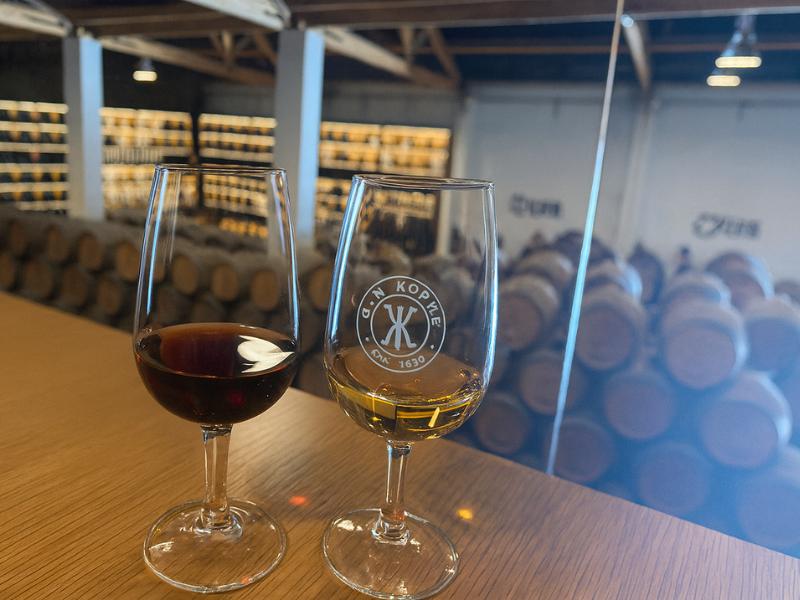
The fourth-day second cellar option applies specifically to travelers who were unable to visit Niepoort on day two due to availability, or who want to visit Ramos Pinto (known for its Art Nouveau advertising posters and its riverside location) or Kopke (the oldest Port house in existence, founded in 1638, with a drop-in tasting room that requires no reservation). Kopke is a particular find for itinerary day four: no booking needed, a handful of tables, a tasting menu that starts at a few euros, and the history of the oldest Port house in the world available over a glass at a waterfront terrace. It fills up later in the day so arrive before 11am if you are going mid-week.
Recommended tours by season
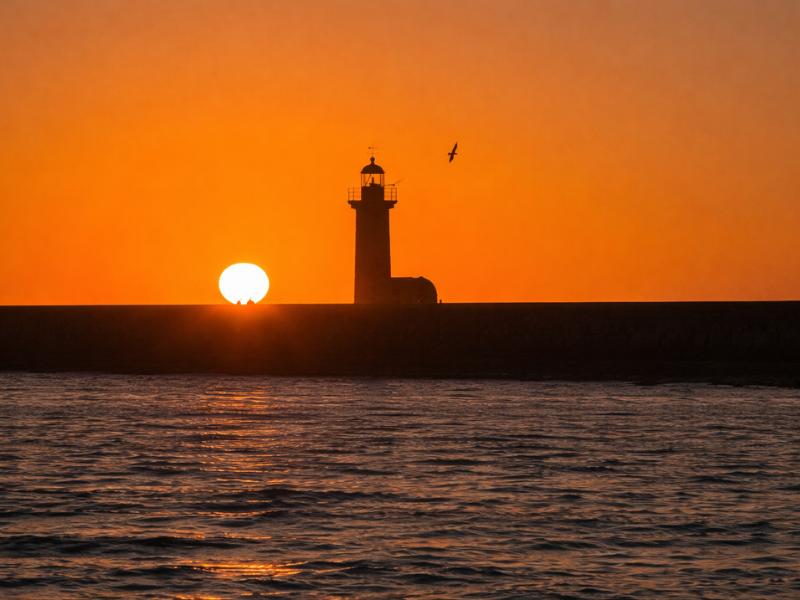
Porto Douro River Sunset Sailboat Cruise
A two-hour sailboat cruise on the Douro. Fits a clear evening when you want to be outside rather than in another tasting room.
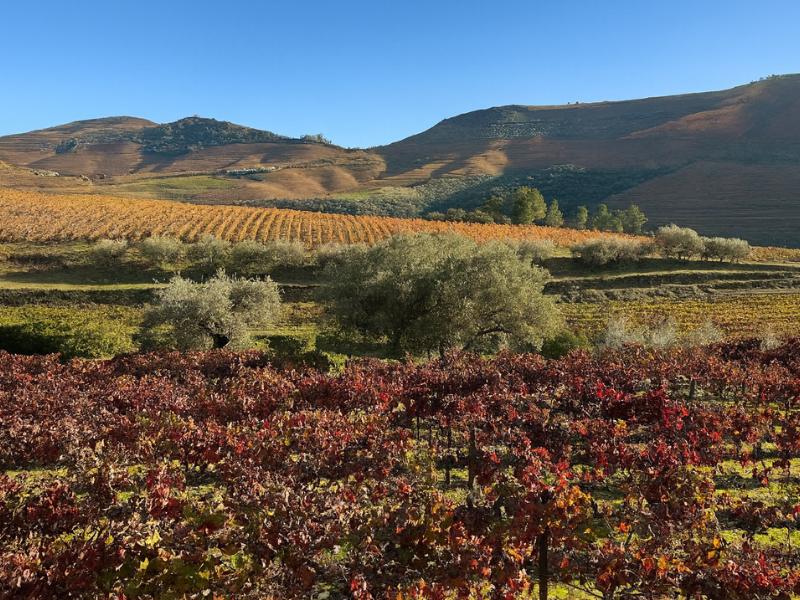
Full-Day Douro Valley Wine Tour with Lunch, Tastings & River Cruise
A ten-hour day trip from Porto with tastings, lunch, and a river cruise. The usual shape of a harvest-season valley day.
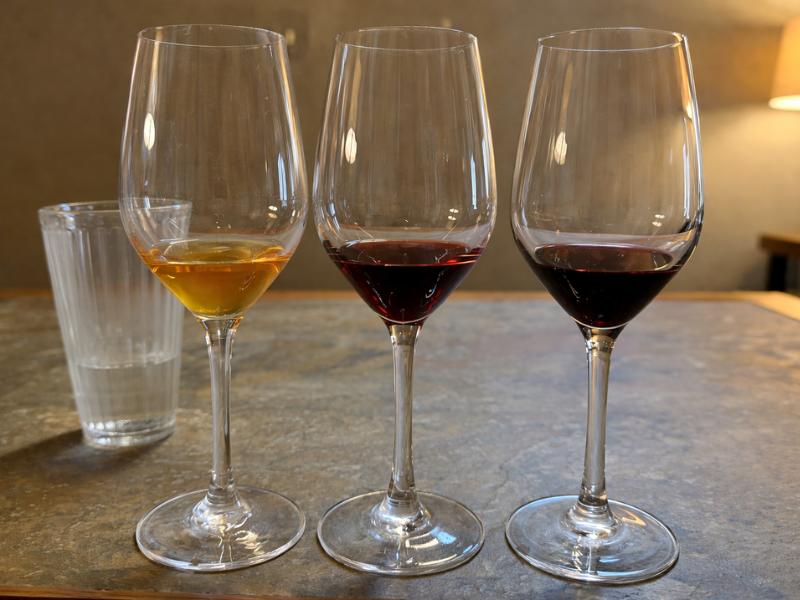
Classic Port Wine Lodges Tour with 7 Generous Tastings (English)
A three-hour indoor walk through Gaia lodges with seven tastings. The cellar day that does not depend on weather.
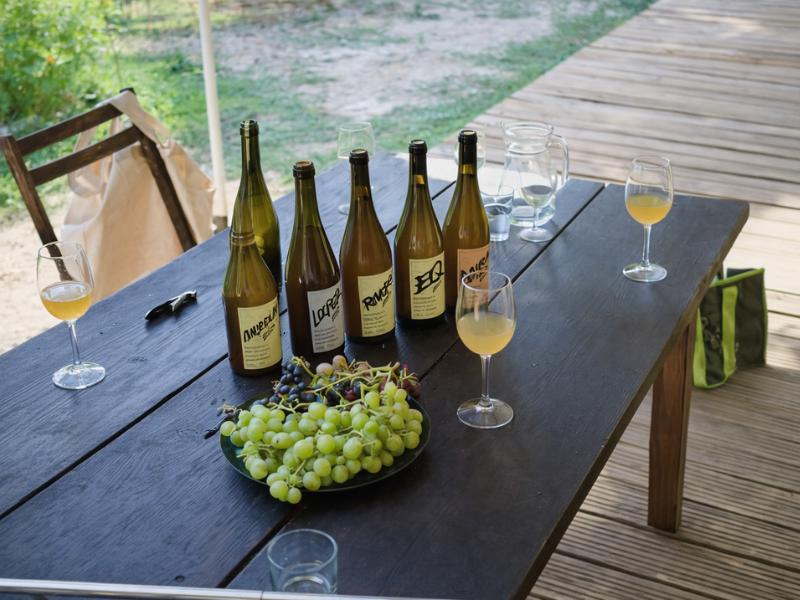
Best Vinho Verde Organic Tour: Wine Tasting, Food & Chat with the Winemaker
A four-hour organic tasting with food and time with the winemaker. A fourth-day contrast if you want a few hours away from Port.
How Do You Build a Porto Wine Itinerary Around a Specific Interest?
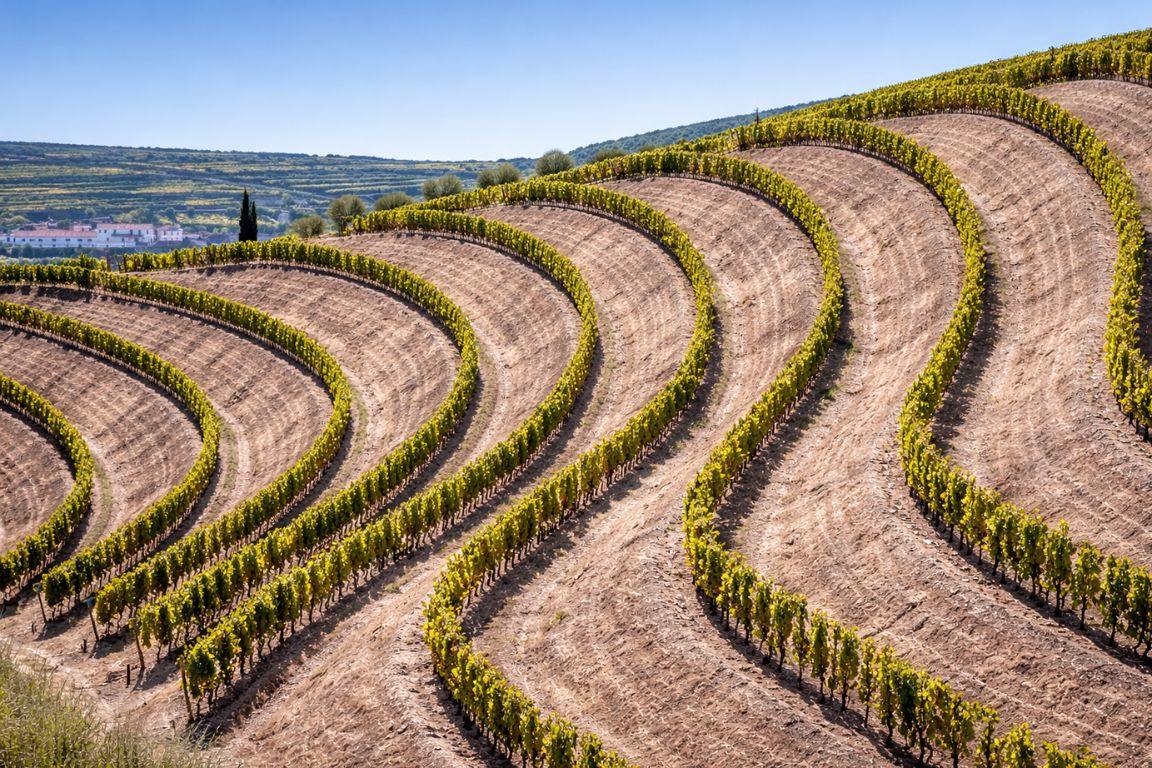 A Porto wine itinerary built around Vintage Port should prioritize Graham’s Vintage Room, Niepoort’s appointment-only experience, and a Douro Valley visit to Quinta do Bomfim or Quinta da Roêda. Tawny lovers should add Cockburn’s and Ramos Pinto. DOC table wine enthusiasts should spend more time in the valley and less in Gaia, targeting Quinta do Crasto and Quinta do Vallado specifically. Budget travelers get a full and serious wine experience through Kopke’s drop-in tasting room, Taylor’s self-guided audio tour, and the group Douro day trip with lunch.
The Vintage Port itinerary is the most structured of these variants because the access points are specific. Graham’s Vintage Room at €60 to €70 per person is the best formal introduction: the wines served include 30 and 40-year Tawnies alongside rare single-harvest Colheitas, in a private room overlooking the river. Niepoort adds the counterpoint: a smaller, family-owned house where the Vintage philosophy is entirely different from Symington’s approach at Graham’s, and the Garrafeira range shows what happens when Port ages in glass rather than wood. In the Douro, Quinta do Bomfim in Pinhao is the Symington family’s primary estate and gives the valley-side context for the Graham’s wines tasted in Gaia two days earlier. The estate is a five-minute walk from Pinhao station.
The DOC table wine itinerary shifts the emphasis east. The Douro now produces some of the most exciting red wines in Europe, led by estates like Quinta do Crasto, Quinta do Vallado, Quinta Nova, and Niepoort’s Charme and Redoma labels. These wines rarely get the attention they deserve in a cellar-focused Porto trip because the Gaia lodges have no strong incentive to promote their DOC table wines over their Port. The DOC discovery happens in the valley, at the estates themselves, over lunch with a guide who is talking about fermentation vessels and vine age rather than barrel rooms. The recommended structure for a DOC-focused trip: one day in Gaia (enough for two cellar visits with Niepoort as one of them), and two days in the valley with overnight stays rather than day trips.
| Vintage Port | Graham’s Vintage Room + Niepoort | Quinta do Bomfim + Quinta da Roêda | Fonseca masterclass at WOW |
| Aged Tawny | Cockburn’s premium + Ramos Pinto | Quinta das Carvalhas (Real Companhia Velha); 360° views, 4×4 tours | Quevedo Colheita tasting |
| DOC table wines | Niepoort (Redoma range) + WOW wine school | Quinta do Crasto + Quinta do Vallado; request DOC tasting flights | Overnight in valley for day 4 second quinta |
| Budget-focused | Kopke drop-in (no reservation; from ~€12) + Taylor’s self-guided | Group tour €89 to €120 pp including lunch and cruise | WOW free areas + Wine Quay Bar evening |
| Vinho Verde extension | Graham’s + Quevedo (keep day 2 tight) | Standard Douro day trip | Quinta da Aveleda (40 min north of Porto) |
Prices verified March 27, 2025.
The budget variant deserves more attention than it usually gets in Porto itinerary writing. The assumption that a serious wine experience in Porto requires booking premium tastings at famous houses is wrong. Kopke’s drop-in tasting room at the waterfront charges around €12 to €20 for a flight through its Tawny range and includes a glass of wine from a Port house that has been producing since 1638. Taylor’s self-guided audio tour at €25 includes the most thorough explanation of the Port production process available in Gaia without a guide. The group Douro day trip at €89 to €120, including two quinta visits, a three-course lunch with estate wines, and a river cruise, offers extraordinary value by any comparative standard. A Porto wine trip built entirely on these three experiences would be less formal and less exclusive than the premium version, and better than most wine education experiences available anywhere else in Portugal.
What Do First-Time Porto Wine Travelers Wish They Had Known?
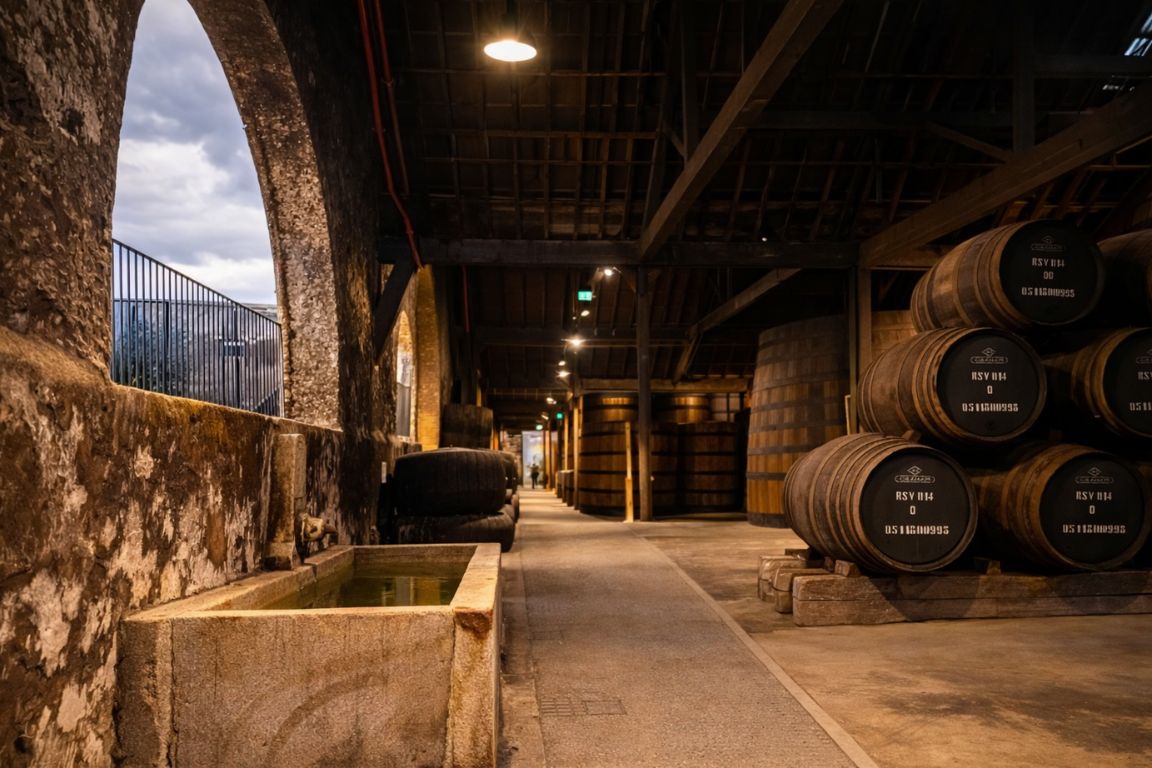 The single most common regret among first-time Porto wine travelers is booking too late. September and October cellar slots at the premium Gaia houses, Douro Valley group tour spaces, and dinner reservations at the best restaurants all sell out weeks ahead. The second most common regret is trying to visit four or more cellars in a single day. Two is the correct number. After the third tasting, the wines blur and the notes disappear. The third is not spending at least one night in the valley, which changes the Douro experience completely.
The booking timeline pressure is real in a way that most Porto travel content does not communicate clearly. Niepoort accepts a maximum of 24 visitors per day. Graham’s Vintage Room holds a small number of people per session. The private Douro tour slots with knowledgeable independent guides fill weeks or months before the season. Travelers who attempt to build this itinerary two weeks before arrival consistently end up settling for the experiences that still have availability, which are usually the busiest, least intimate, and most generically formatted options in Gaia. Booking the cellar visits before booking the flights is not an exaggeration. It is the correct priority order.
The four-cellars-in-one-day mistake comes from the abundance of options and the logic that more must be better. The Gaia waterfront has over 60 cellars and lodges. Walking past all of them creates the impression that you could visit many in a single afternoon. What actually happens at cellar visit three is that you stop retaining information. The guide’s explanation of the 20-year Tawny aging process sounds like a repetition of everything the previous guide said, because it is the same process at every house. What you are actually tasting by visit three is the quality difference between specific wines from specific producers, which is a much more interesting question, but you cannot access it because you have already had seven or eight glasses and your attention is somewhere else. Two cellars, chosen deliberately, one large and one small, leaves you with genuine knowledge. Four cellars leaves you with a wine headache.
The overnight valley point connects to the sequencing argument already made, but the specific thing travelers report regretting is leaving the valley at 7pm on the guided tour bus while the light was still on the hillsides. The Douro after the tourist vans leave, after 7pm when the restaurants fill with locals and the boat dock is quiet and the hills across the river are lit from the west, is a different place. Nobody on a day trip from Porto ever sees it. Staying one night at any working quinta near Pinhao, even a modest one, means waking up in the morning mist above the Douro before the day has warmed up, which is the image of the valley that people who have stayed overnight describe most when they get home.
One more thing: bring a notebook or use your phone to take notes during the cellar tours. This is not performative wine snobbery. It is practical. The guides at the better houses will talk about specific grape varieties, specific aging durations, specific vintage years. By the time you arrive at the second quinta in the valley on day three, you will want to be able to reference what the guide at Graham’s said about Touriga Nacional versus Tinta Barroca. Without notes, the connections between day two and day three dissolve before you can make use of them. With notes, the whole trip builds on itself in a way that a disconnected series of experiences cannot.
Don’t show up thinking it’s like Napa or Bordeaux. This Porto wine tourism guide covers Porto’s unique wine lodge system, how fortified wine tastings differ from table wines, and what makes the Douro Valley worth the journey.
What Our 8,700 Travelers Tell Us About the Porto Wine Itinerary
After a decade of running wine itineraries across Porto and the Douro Valley, the same patterns appear across different traveler types and trip lengths. Here is what the data consistently shows.
| % who rated the Douro Valley as the best part of their Porto wine trip | 78% |
| Most cited fail point by first-time visitors | “Underestimating the steep walk across the Luís I Bridge to Gaia” |
| % who visited cellars before the valley vs. valley first | 82% Cellars-first / 18% Valley-first |
| Average number of cellars visited on day 2 by 5/5 rated guests | 2.2 visits |
| Wine discovery most frequently cited as a revelation | White Port & Tonic (Aperitif) |
| % who added a Douro overnight after a day trip and wished they had done it as the original plan | 64% |
Frequently Asked Questions
How many days do you need for a Porto wine trip?
Three days is the minimum for a trip that includes both the Gaia cellars and the Douro Valley. Day one covers Porto city orientation. Day two is the cellar day in Gaia. Day three is the Douro Valley. Four days is the better structure, adding time for WOW, a Vinho Verde detour, or a second cellar visit without any rushing.
Should you visit the cellars or the Douro Valley first?
Always visit the Gaia cellars before the Douro Valley. The vocabulary and tasting experience from a good cellar visit makes the quinta experience in the valley significantly more valuable. Travelers who go to the valley first spend the first part of every quinta tour catching up on concepts the cellar guide would have explained in a structured way.
How many cellars should you visit in one day?
Two is the right number: one large established house in the morning and one smaller independent producer in the afternoon. Three cellars in one day tends to result in diminishing returns after the second visit. The wines blur and the information stops sticking. Two well-chosen cellars leaves you with genuine knowledge rather than a headache.
What is the best Port wine cellar to visit in Gaia?
For first-timers, Graham’s provides the most complete introduction: a historic lodge, a panoramic terrace, and a Vintage Room tasting that includes genuinely rare wines. For serious wine travelers, Niepoort’s appointment-only experience (max 24 visitors per day) is the most intimate and educational cellar visit available in Gaia. Quevedo works well as the afternoon second visit for anyone who wants a relaxed format without a mandatory guided tour.
What is the best Douro Valley day trip from Porto?
Group guided tours at €89 to €120 per person include two quinta visits, a traditional three-course lunch, and a rabelo boat cruise from Pinhao. Private tours at €150 to €250 per person give access to smaller family quintas not available to groups, a dedicated guide, and flexible timing. Both deliver excellent days. The private format delivers a different kind of day.
What should you do with a fourth day in Porto?
WOW (World of Wine) in Gaia is the best morning option for a broader understanding of Portuguese wine and culture. Quinta da Aveleda, 40 minutes north, provides a full Vinho Verde estate experience. A second Gaia cellar visit, particularly Niepoort if not already visited, Ramos Pinto for Art Nouveau history, or Kopke for the oldest Port house in existence, rounds out the cellar story.
We have run this itinerary in every season since 2014. If you want to hand the Douro day to a single booking instead of coordinating transport and tastings yourself, start with the Full-Day Douro Valley Wine Tour with Lunch, Tastings & River Cruise.
Written by Mateo Oliveira Santos
Portuguese tour guide since 2014 · Founder, Porto Wine Tours
Mateo has guided over 8,700 travelers through Porto, the Douro Valley, and Portugal’s wine regions since founding the agency.