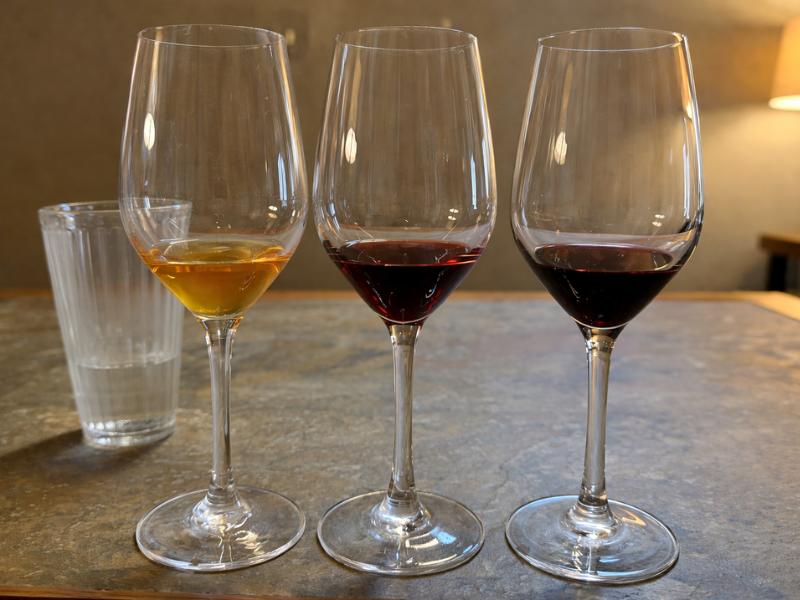
Types of Port Wine Explained
Port wine styles explained: Ruby and Vintage are fresh and fruity, Tawny is aged and nutty, and White Port is the most versatile - here’s how to choose.
Booking Choice: Taste contrasting styles before buying bottles. Poças offers three Ports with a live guide; its separate DOC flight compares table wine with Port, while Graham’s Vintage Room explores premium tasting tiers. Explore Poças Cellar And Three Ports
Last updated: April 12, 2026
| Ruby | Deep red to purple | Large tanks or vats | Fresh red berries, chocolate, plum | ~15°C (59°F) | No |
| Reserve Ruby | Deep ruby to garnet | Oak, 4 to 6 years | Dark fruit, blackberry, spice, chocolate | ~15°C (59°F) | No |
| LBV (Late Bottled Vintage) | Deep ruby | Oak, 4 to 6 years; single vintage | Rich dark fruit, concentration, structure | ~15°C (59°F) | Unfiltered only |
| Vintage Port | Deep purple (young); garnet-brick (mature) | Large oak 2 years, then bottle decades | Blackberry, fig, leather, spice, chocolate | ~16 to 18°C (61 to 64°F) | Yes, 1 to 3 hours |
| Tawny Reserve | Medium amber-gold | Small oak casks, ~7 years | Light nuttiness, dried fruit, touch of oak | ~12 to 14°C (54 to 57°F) | No |
| 10-Year Tawny | Amber with brick tones | Small oak casks, blend averaging 10 years | Walnuts, chocolate, dried cherries, vanilla | ~12 to 14°C (54 to 57°F) | No |
| 20-Year Tawny | Deep amber-orange | Small oak casks, blend averaging 20 years | Toasted vanilla, dried fig, orange peel, honey | ~12 to 14°C (54 to 57°F) | No |
| 30-Year Tawny | Pale amber-gold | Small oak casks, blend averaging 30 years | Honey, burnt caramel, marmalade, rancio | ~10 to 12°C (50 to 54°F) | No |
| 40-Year Tawny | Light gold-amber | Small oak casks, blend averaging 40 years | Walnut, coffee, dried apricot, extraordinary complexity | ~10 to 12°C (50 to 54°F) | No |
| Colheita | Amber-gold to tawny | Small oak, min. 7 years; single vintage | Dried fruit, nut, oxidative complexity; vintage character | ~10 to 12°C (50 to 54°F) | No |
| White Port (dry/off-dry) | Pale straw to gold | Steel tanks or wood | Citrus, almond, honey, floral, crisp acidity | ~8 to 10°C (46 to 50°F) | No |
| Rosé Port | Pale salmon-pink | Steel tanks; minimal skin contact | Strawberry, raspberry, fresh, light sweetness | ~8 to 10°C (46 to 50°F) | No |
Classifications per IVDP (Instituto dos Vinhos do Douro e do Porto). Verified March 27, 2026.
At A Glance: Ruby, tawny, white, vintage and Colheita describe different styles or ageing paths. A focused flight helps you compare them without buying several bottles. Explore Poças Cellar And Three Ports
What Is Port Wine and Why Does It Taste Different from Regular Wine?
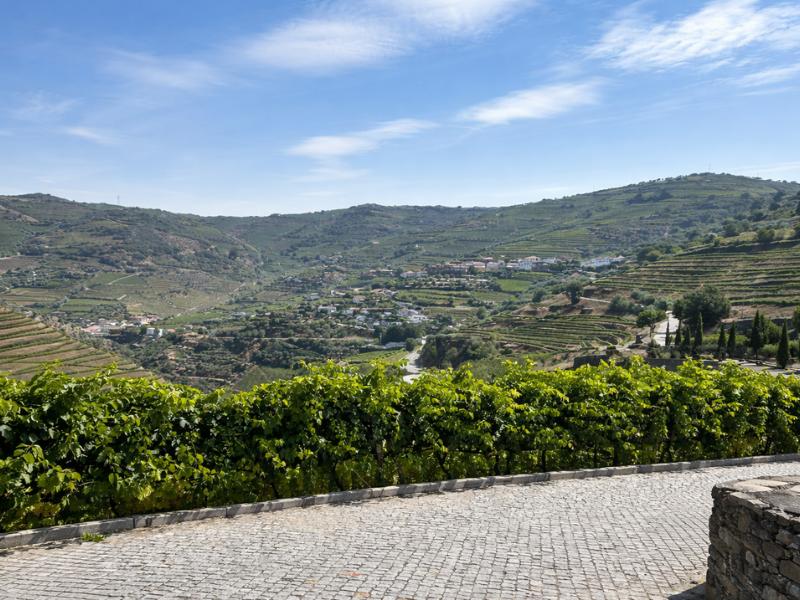
Port wine is a fortified wine made exclusively in Portugal’s Douro Valley, where fermentation is stopped early by adding a neutral grape spirit called aguardente. This halts the yeast before it converts all the grape sugar to alcohol, leaving natural sweetness in the wine while raising the alcohol content to 19 to 22 percent. The result is a wine that is richer, sweeter, and more concentrated than table wine, with aging potential that can span half a century in the right styles.
The fortification moment is the hinge on which all of Port wine turns. In ordinary winemaking, yeast consumes the grape’s sugar entirely, producing a dry wine. In Port production, the winemaker monitors the fermenting must for two to four days, then adds aguardente at precisely the right moment to stop fermentation. The timing determines how sweet the finished wine will be. The spirit kills the yeast. Residual sugar stays locked in the wine. Alcohol climbs. What you end up with is a wine that tastes fundamentally different from anything unfired, with a weight and persistence that table wines simply cannot replicate.
The grapes themselves matter enormously. Port is made from a blend of native Douro varieties, principally Touriga Nacional, Touriga Franca, Tinta Roriz (the same grape as Tempranillo in Spain), Tinta Barroca, and Tinto Cão. Touriga Nacional is widely considered the most desirable, producing intense blackcurrant and floral aromas with fine tannins, though its tiny yields and difficult cultivation mean Touriga Franca is the most widely planted variety in practice. These varieties have evolved over centuries on schist and granite hillsides at elevations between 150 and 800 meters, in growing conditions that force the vines to drive their roots deep into rock in search of moisture. The concentration that produces is evident in every glass.
What you taste in a glass of Port is therefore a product of three layered decisions: which grapes and from where, when the fermentation is stopped, and how the wine is then aged. That final variable, barrel versus bottle, large tank versus small cask, and for how long, is what creates the spectrum of styles that distinguishes a simple Ruby from a 40-year Tawny or a declared Vintage Port. Understanding that spectrum is the most useful thing anyone can know before walking into a cellar in Gaia for the first time.
Wondering about heading into the valley? Our Douro Valley day trip from Porto wine tours guide walks you through operator choices, what’s included in tastings, and whether the scenery justifies the travel time.
We’ve been guiding travelers through Port wine tastings since 2014. If you'd like to taste these styles with a guide who can explain what you're drinking, the Classic Port Wine Lodges Tour with 7 Generous Tastings is a three-hour walk through Gaia cellars.
What Are the Main Styles of Port Wine?
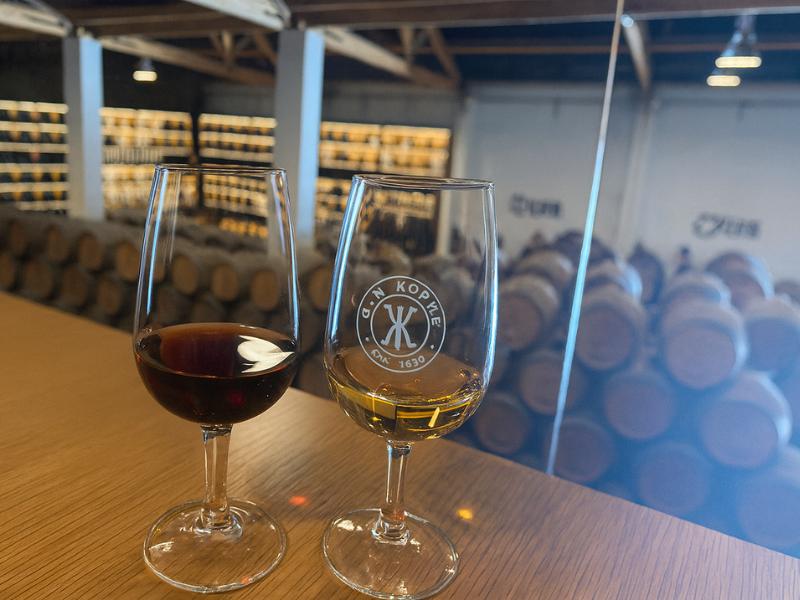
The IVDP officially divides Port wine into two aging families. Bottle-aged styles, primarily Ruby and Vintage, are protected from oxygen during aging to preserve their deep color and fresh fruit character. Wood-aged styles, the Tawny family, are aged in small oak casks where controlled oxidation gradually strips color and transforms the flavor from fresh fruit to dried fruit, nuts, caramel, and honey. White Port and Rosé Port sit outside both families with their own distinct production methods.
The two-family distinction is the most important concept in understanding Port, and the one that most casual drinkers do not know. It explains why a Ruby and a Tawny can both be called Port wine and yet look, smell, and taste almost nothing like each other. One family (Ruby) preserves; the other (Tawny) transforms.
In the Ruby family, large wooden vats or concrete and stainless steel tanks hold the wine at minimal oxygen exposure. The wine barely changes from its original fruity state, keeping its deep red color and intense fruit character. Basic Ruby, Reserve Ruby, LBV, and Vintage Port all belong to this family, progressing from simple and affordable to extraordinarily complex and age-worthy.
In the Tawny family, the wine ages in small oak casks called pipes, typically around 550 liters, where the wood’s permeability allows just enough oxygen contact to trigger gradual oxidative transformation. The ruby color bleeds out of the wine over years. The fresh berry character gives way to dried fig, walnut, honey, and eventually the almost savory, rancio quality that distinguishes the oldest Tawnies. The name itself refers to this color change: the wine turns tawny, a warm amber-brown, as it ages.
These two families demand different things from the drinker. Ruby-style Ports are typically served at a slightly cooler temperature, around 15°C, closer to red wine serving. Tawny-style Ports are served chilled, ideally 10 to 14°C, which brings out their nutty aromatics and refreshing acidity. Neither family should be served at room temperature in the way people sometimes assume fortified wine should be treated.
What Is the Difference Between Ruby and Tawny Port?
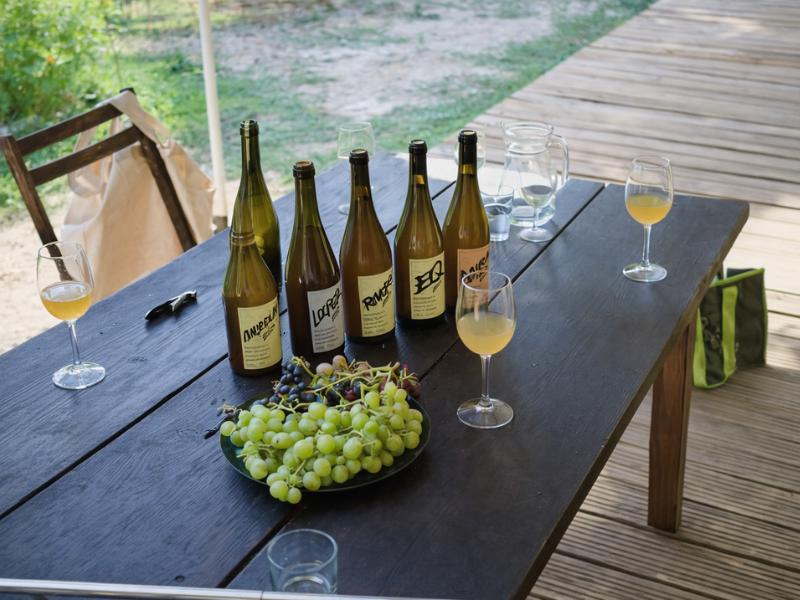
Ruby Port is aged in large vessels with minimal oxygen contact, preserving bright red-purple color and fresh fruit flavors like blackberry, cherry, and dark chocolate. Tawny Port ages in small oak casks with deliberate oxygen exposure, transforming over years into an amber-hued wine with flavors of walnut, dried fig, vanilla, caramel, and orange peel. Ruby tastes young and fruit-driven. Tawny tastes complex and oxidative. Both can be outstanding, but they suit entirely different moods and pairings.
The easiest way to understand the difference is to hold two glasses side by side. Pour a Ruby Reserve and a 20-year Tawny. The Ruby is the color of a dark garnet, nearly opaque at its center, with aromas that reach toward blackcurrant, black cherry, and a hint of dark chocolate. The Tawny is amber with orange-gold at the edges, transparent when you hold it to light, and the nose goes somewhere entirely different: roasted nuts, dried apricot, a little coffee, a thread of orange rind. They share the same starting material, the same Douro grapes, the same fortification process. What separates them is years of accumulated oxygen contact.
In practice, Ruby Port pairs best with things that can match its fruit intensity: dark chocolate, blue cheese, dried fruit and nut boards, and red meat dishes when served young. Tawny Port, with its oxidative nutty character, finds natural partners in caramel desserts, hard aged cheeses, pecan pie, and crème brûlée. A 20-year Tawny chilled to cellar temperature alongside a plate of Stilton and walnuts is one of the quietly great food-and-wine pairings in European gastronomy, and it is not discussed nearly as often as it deserves to be.
One thing that confuses visitors tasting Port for the first time: the color difference is not a reliable indicator of sweetness. Both styles contain residual sugar. An older Tawny may appear almost golden but is still sweet. A deep ruby Reserve may have strong tannins that make it feel drier than it is. The color reflects the aging method, not the sugar level.
Recommended tours by season
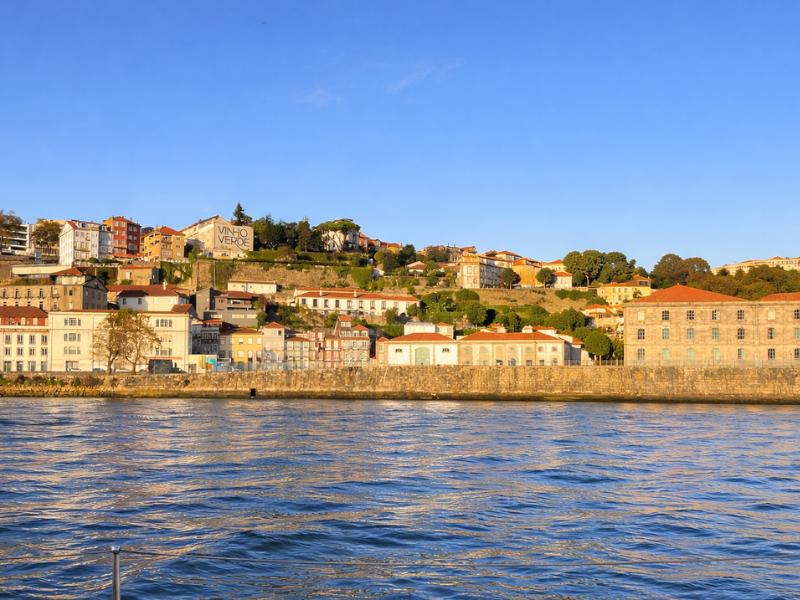
Douro River Boat Cruise in Porto + Port Wine Tasting
Summer. A two-hour Douro cruise in Porto with a Port tasting, for a shorter outing on the water.
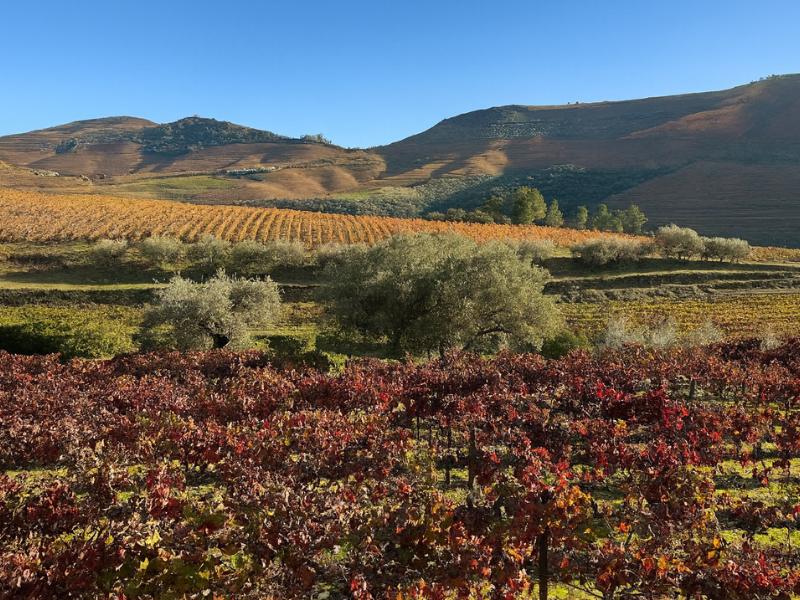
Full-Day Douro Valley Wine Tour with Lunch, Tastings & River Cruise
Fall. A 10-hour Douro Valley day with lunch, tastings, and a river cruise.
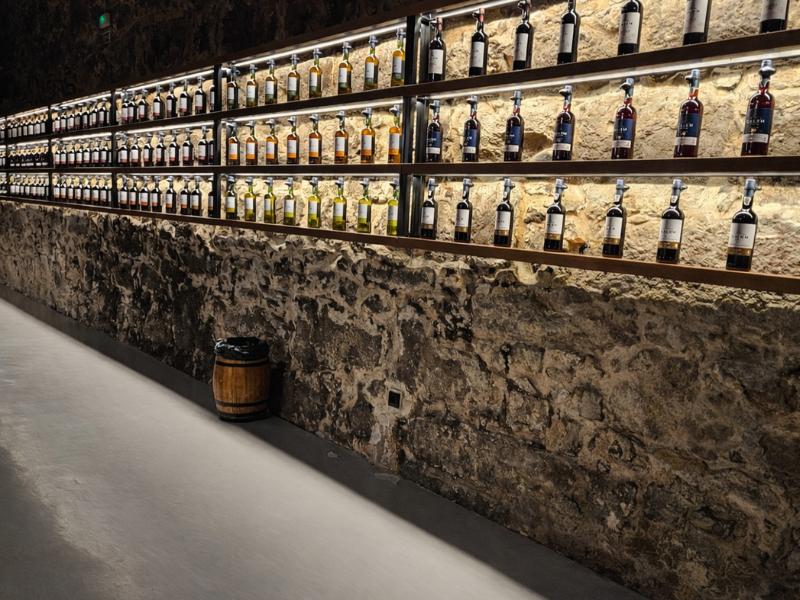
Port Wine Cellars of Gaia Tour with 7 Tastings – English Guided
Winter. A three-hour English-guided walk through Gaia cellars with seven tastings, indoors.
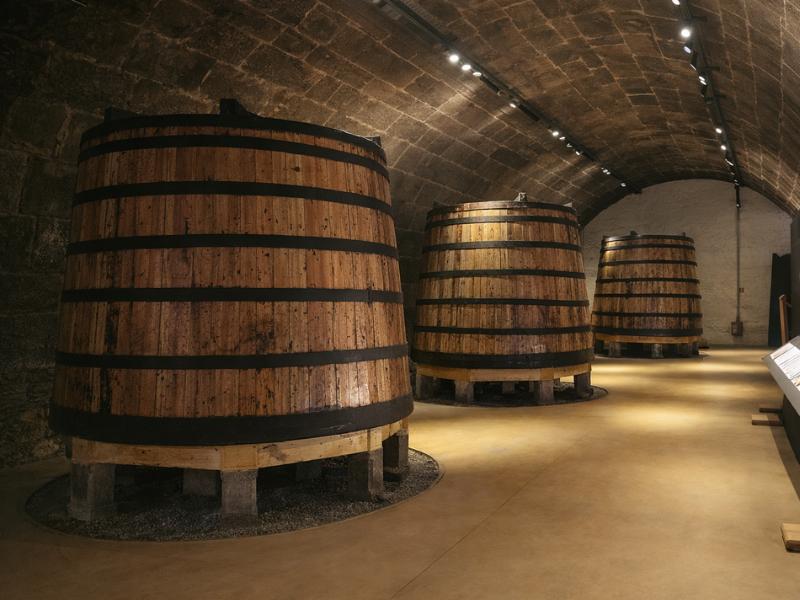
Best Porto Wine Walking Tour – 9 Tastings of Port & Douro Wines
Year-round. A three-hour walking tour with nine tastings of Port and Douro wines.
What Are Vintage Port and Late Bottled Vintage Port?
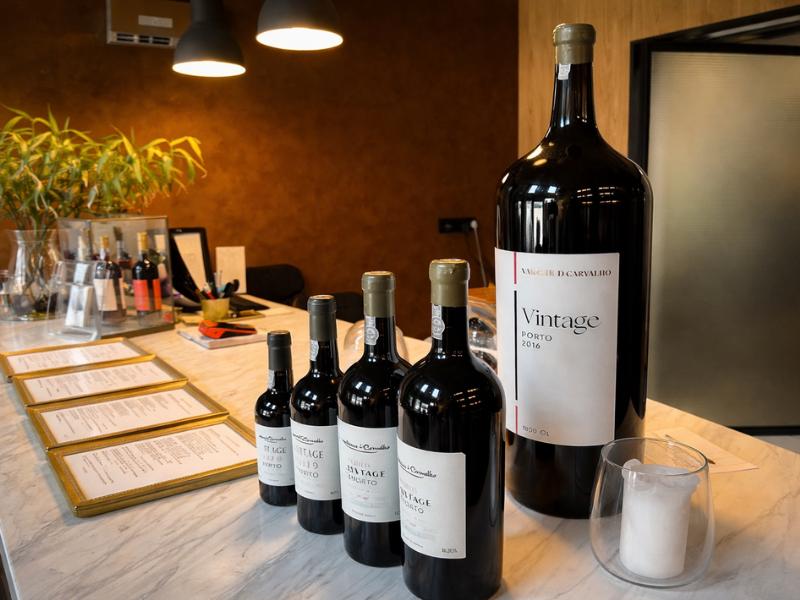
Vintage Port is the most prestigious style, produced only in exceptional years (typically two or three times per decade), made from a single harvest, bottled after just two years in large oak vats, and then aged in bottle for decades. It throws sediment and requires decanting. Late Bottled Vintage (LBV) is also from a single harvest but spends four to six years in wood before bottling, making it ready to drink on release. Most LBV is filtered; traditional unfiltered LBV continues to develop in bottle and also needs decanting.
Vintage Port is the wine that serious collectors and Port devotees speak about the way Bordeaux enthusiasts speak about classified growths. When a Port house considers the quality of a harvest exceptional enough, it submits samples to the IVDP for approval and declares the vintage. Not every year earns a declaration. The greatest years, 1963, 1970, 1977, 1994, 2011, 2016 among them, see most major houses declaring. Intermediate years might see only individual quinta declarations. The result is that genuine Vintage Port is rare, scarce in good years, and essentially unavailable in lesser ones.
The aging arc of a Vintage Port is unlike anything else in wine. A freshly declared Vintage is powerful and somewhat austere: deep purple, packed with dark fruit, raw tannin, and a fortifying spirit that has not yet fully integrated. It goes through a dumb phase around eight to ten years. Then, if stored properly in cool dark conditions, it begins opening up. By fifteen to twenty years it starts revealing secondary characteristics, leather, tobacco, dried fruit, spice. By thirty years the best examples have developed a depth and complexity that is genuinely unlike anything else in the wine world.
LBV was created as a more accessible entry point into single-vintage Port. The extra years in wood mean the wine matures more quickly, and filtered versions are ready to drink on release without any cellar time. They represent good value for travelers who want the concentrated character of a single-harvest Port without buying a bottle that needs a decade of patience. Traditional unfiltered LBV is a different proposition: it behaves more like a young Vintage Port, throwing sediment and rewarding a few years of cellaring.
One practical difference that matters at the cellar: Vintage Port must be decanted. The bottle-aging process creates sediment from grape-skin tannins and other compounds that you do not want in your glass. Stand the bottle upright for 30 minutes, open carefully, and pour slowly into a clean decanter, stopping before the sediment reaches the neck. For Vintage Ports under 40 years, decant two to three hours before serving. Older bottles need only 30 to 60 minutes, as extended air exposure can actually diminish wines that have developed great delicacy over decades.
What Are the Aged Tawny Ports: 10, 20, 30, and 40 Year?
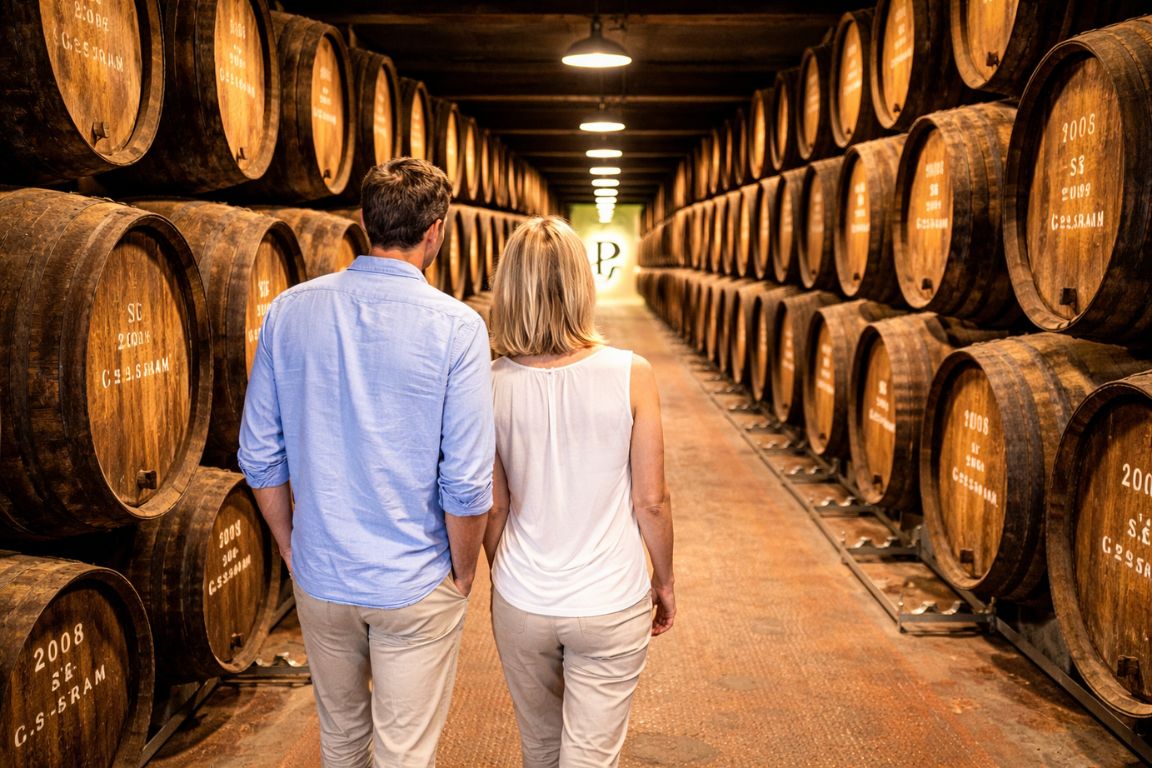 Aged Tawny Ports carry an indication of age on the label: 10, 20, 30, or 40 years. Critically, this is the average age of the wines in the blend, not the age of the youngest wine. A 20-year Tawny may contain components ranging from 10 to 40 years, blended to achieve the flavor profile the winemaker associates with that age category. Each step up adds complexity, concentration, and price. The 20-year Tawny is the single most recommended style for travelers tasting Port for the first time who want something more sophisticated than basic Ruby.
The 10-year Tawny is where the aged category begins, and it already shows the transformation that distinguishes Tawny from Ruby. The color has shifted toward brick-amber at the edges. Fresh red fruit has faded into chocolate and walnut notes, with red cherry still present in the background. It is the easiest gateway into understanding what barrel oxidation does to Port wine. At €15 to €25 for a bottle from a major house, it represents one of the better values in fortified wine globally.
The 20-year Tawny is where the style finds its fullest expression for most drinkers. The color has deepened to amber-orange. The nose opens into roasted vanilla, dried fig, orange peel, and concentrated honey, with that characteristic nutty Tawny quality that only years in small oak can develop. On the palate it is silky, complex, and remarkably long. Guides at cellar tours in Gaia consistently return to the 20-year Tawny when explaining what Port can be, and travelers who try it for the first time often describe it as transformative. At €30 to €60 per bottle depending on the house, it is genuinely worth the step up from the 10-year.
If you want to skip the research, here are the best Port wine cellars in Porto wine tours based on tour quality, tasting selection, and which ones balance history with genuine wine education.
The 30-year and 40-year Tawnies occupy territory where most casual drinkers rarely venture, and that is a shame. The 30-year has crossed into a flavor register dominated by honey, burnt caramel, and a faintly tangy, savory quality called rancio that develops only in wines of extreme age. The 40-year barely looks like it started as red wine: pale amber-gold, almost translucent, with extraordinary aromatic concentration that fills a room when poured. These are wines to contemplate rather than quaff. A 40-year Tawny from Sandeman, Dow’s, or Quinta do Noval changes the way many experienced wine drinkers think about what fortified wine can achieve.
One concept worth understanding when reading Tawny labels: the Colheita. A Colheita is a Tawny Port from a single vintage year, aged in cask for a minimum of seven years. The vintage year appears on the label, which sometimes leads visitors to confuse it with a Vintage Port. They are fundamentally different. A Vintage Port ages primarily in bottle, building reductive complexity. A Colheita ages primarily in wood, developing the same oxidative character as an aged Tawny but with the terroir signature of a specific harvest. Poças and Kopke are among the houses most celebrated for Colheita quality.
Tasting the aged Tawny range side by side, from 10-year to 40-year, is one of the most rewarding wine experiences available anywhere. The Port Wine Cellars of Gaia Tour with 7 Tastings is a practical way to do this in a single visit.
What Is White Port and How Is It Served?
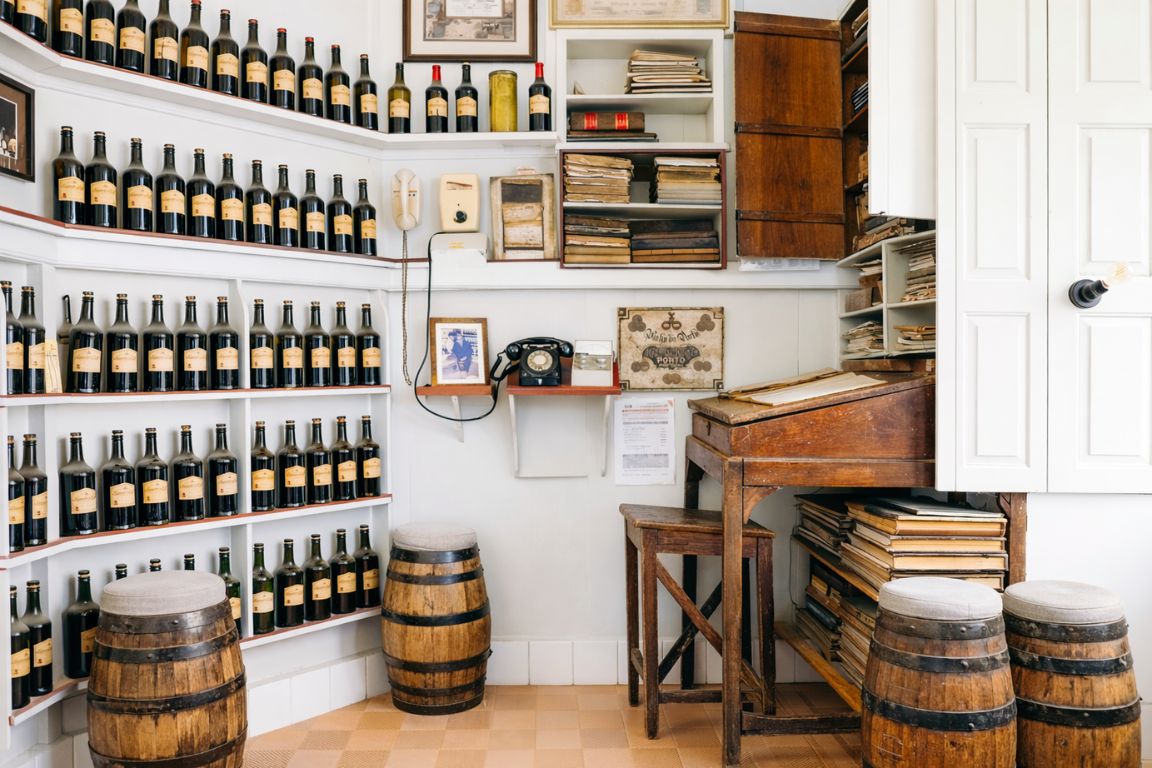 White Port is made from white Douro grape varieties, chiefly Gouveio, Malvasia Fina, and Viosinho, using the same fortification process as red Port. It ranges from bone-dry to very sweet depending on when fermentation is stopped. The dry and off-dry styles are best served well chilled as an aperitif or mixed with tonic water and lemon in the Porto Tónico, the most popular local drink in Porto and the Douro region. Aged White Ports develop nutty, honeyed complexity and deserve to be taken as seriously as aged Tawny.
White Port is the most underestimated style in the entire Port wine spectrum. Most travelers arrive in Porto focused on Ruby and Tawny and give White Port a polite sip before moving on. The guides at the better cellars tell a different story. Aged White Port, particularly 20-year or Colheita expressions from houses like Kopke and Niepoort, is among the most distinctive fortified wine available anywhere, with a flavor profile that combines the citrus and almond freshness of good Fino Sherry with the oxidative complexity of Tawny Port. It is genuinely extraordinary in the right glass.
The young, dry style is a different experience. Taylor’s Chip Dry, introduced in 1934, established the template for what dry White Port can be: crisp, clean, faintly nutty, with a slightly bitter citrus edge that makes it the natural aperitif choice in Porto. Served over ice with tonic water, a slice of lemon, and a few salted almonds, the Porto Tónico is what people actually drink in the bars along the Douro waterfront in summer. It is lighter and more refreshing than a classic G&T, and it introduces Port’s character in a way that anyone can appreciate, regardless of their existing relationship with sweet fortified wines.
The sweetness spectrum in White Port is worth knowing. The IVDP recognizes six sweetness levels: Extra Dry, Dry, Semi-Dry, Semi-Sweet, Sweet, and Lagrima (meaning “tears,” which is the sweetest style). Most bottles sold at cellars and wine shops are either the dry aperitif style or a medium-sweet version. The oldest aged expressions tend to be sweeter, as the evaporation concentrates residual sugar over years in cask.
Serve basic White Port chilled to around 8 to 10°C, well below the temperature you would serve red Ports. Aged White Port can be served slightly warmer, around 10 to 12°C, to allow its aromatic complexity to open. Neither style needs decanting. A White Port opened and stored in the refrigerator will keep its character for several weeks, making it one of the most practical bottles to open on a weeknight.
How Do You Choose the Right Port Wine for Your Palate?
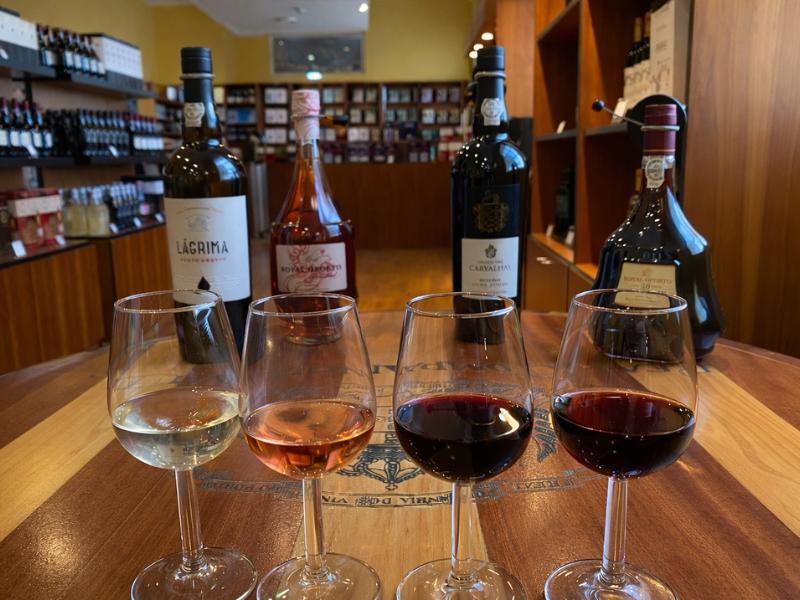
Start with what you already enjoy in wine. If you like bold, fruit-forward red wines, begin with a Ruby Reserve or LBV. If you prefer complex, oxidative wines like aged Sherry or Madeira, go directly to a 20-year Tawny. If you want an aperitif experience, dry White Port over ice is the answer. If you are curious about aged wines and have patience, a properly stored Vintage Port from a good year rewarded with a decade of cellaring is unlike anything else you will taste. The worst approach is to assume Port wine is only for dessert.
One of the most reliable things we see across our traveler groups is this: the people who arrive having only ever had a basic Ruby or a cheap LBV from a supermarket leave Gaia having discovered that Port wine is genuinely one of the most complex and varied wine categories in the world. The gap between entry-level Port and a 20-year Tawny from a great house is larger than the gap between basic Bordeaux and a classified growth. The category rewards exploration more than almost anything else.
For complete beginners, two pours tell the story better than any description. A 10-year Tawny alongside a Reserve Ruby shows you the two families at roughly comparable age and price points. The contrast between the Ruby’s fresh berry character and the Tawny’s oxidative complexity demonstrates more about Port wine in five minutes than an hour of reading. This is the tasting we recommend as a starting point in cellar visits.
| Ruby / Reserve | Dark chocolate, blue cheese, charcuterie | After dinner, casual | Bold fruity reds, Zinfandel, Syrah |
| LBV | Stilton, dark chocolate cake, spiced nuts | Special occasion, gift | Structured red wines, Barolo, Amarone |
| Vintage Port | Stilton, Roquefort, dark chocolate; alone when mature | Momentous occasions; serious collectors | Aged red Bordeaux, Barolo, Hermitage |
| 10-Year Tawny | Aged cheddar, pecan pie, milk chocolate | Everyday dessert wine, aperitif | Amontillado Sherry, Malmsey Madeira |
| 20-Year Tawny | Stilton, walnuts, crème brûlée, fruit tarts | Dinner party, gifts, cellar staple | Oloroso Sherry, aged Bual Madeira |
| 30 to 40-Year Tawny | Alone or with very fine cheese; no dessert needed | Contemplative; milestone occasions | Vintage Sauternes, old Oloroso, Vin Jaune |
| Colheita | Manchego, Comté, almond tart | Wine lovers’ dinner, conversation piece | Vintage-dated Sherry, old Tawny |
| White Port (dry) | Salted almonds, olives, smoked salmon, goat cheese | Aperitif; summer drinking; cocktails | Fino Sherry, Vinho Verde, dry Muscat |
| Rosé Port | Spicy food, strawberry desserts, summer salads | Summer; cocktails; casual occasions | Rosé wine, light sweet reds |
Verified March 27, 2025
The question we hear most often in cellars is whether an aged Tawny or a Vintage Port represents better value. The answer depends on what you are drinking it for. A 20-year Tawny from a great house at €40 to €60 is ready to drink tonight, lasts several weeks once opened, and will give pleasure to almost any guest regardless of their wine background. A Vintage Port at a similar price needs years or decades more cellaring and should be drunk in a single sitting once opened. Both can be extraordinary. The Tawny is more forgiving; the Vintage is more profound, given time.
Not sure where to start? I’ve put together a complete guide on how to plan a trip to Porto wine tours so you understand which cellars to visit, whether to stay in Porto or venture to the Douro Valley, and how to book tastings.
What Our 8,700 Travelers Tell Us About Port Wine Preferences
After more than a decade of cellar tours, Douro Valley visits, and Port wine tastings, we have observed clear patterns in which styles surprise travelers most, what they end up buying, and what they wish they had tried earlier.
| Style that surprises travelers most on their first tasting | 20-Year Tawny (Cited by 72% of guests) |
| Most purchased style at cellar shop after a guided tasting | 10 or 20-Year Tawny |
| % of travelers who had never tried White Port before visiting Porto | 78% |
| % who said they wished they had tried Colheita earlier in their trip | 54% |
| Most common misconception guests arrive with about Port wine | “Port is only a heavy dessert wine” (Cited by 65%) |
| Average number of Port styles tasted during our guided tours | 5.2 per visit |
Frequently Asked Questions
What is the difference between Ruby and Tawny Port?
Ruby Port ages in large tanks or vats with minimal oxygen exposure, preserving its deep red color and fresh fruit character. Tawny Port ages in small oak casks where controlled oxidation transforms the wine over years into an amber-hued style with flavors of walnut, dried fig, caramel, and honey. Both contain residual sugar and are fortified with grape spirit, but they taste fundamentally different.
Do you need to decant Port wine?
Only Vintage Port and traditional unfiltered LBV require decanting, to remove the sediment that forms during bottle aging. Tawny Ports (including 10, 20, 30, and 40-year), filtered LBV, Ruby, White Port, and Rosé Port do not need decanting. For Vintage Port under 40 years, decant two to three hours before serving. Older Vintage Ports need just 30 to 60 minutes.
What is a Colheita Port?
A Colheita is a Tawny Port from a single vintage year, aged in oak casks for a minimum of seven years. Unlike Vintage Port, which ages primarily in bottle and develops reductive complexity, a Colheita ages in wood and develops the oxidative character typical of aged Tawny. The vintage year on the label refers to when the grapes were harvested, not when the wine was bottled.
What temperature should Port wine be served at?
Ruby-style Ports, including Reserve, LBV, and Vintage, are best served around 15 to 18°C. Tawny-style Ports, including all aged Tawnies and Colheita, are served chilled at 10 to 14°C. White Port and Rosé Port should be well chilled, around 8 to 10°C. Serving temperature significantly affects how the aromas and flavors present, particularly for Tawny Ports where a slight chill enhances freshness and acidity.
What is the best Port wine for beginners?
A 10-year or 20-year Tawny is the best entry point for most people new to Port. It demonstrates what the style is capable of beyond simple sweetness, with genuine complexity at a manageable price. For those who prefer fresh fruit character, a Ruby Reserve is more approachable. White Port with tonic is the ideal introduction for anyone who finds fortified wine too rich to enjoy on its own.
How long does Port wine last once opened?
Ruby Ports last two to four weeks once opened, stored in the refrigerator. Tawny Ports last considerably longer, often several months, because their oxidative character means further air exposure changes them less dramatically. Vintage Port should be consumed within one to two days of opening; it deteriorates relatively quickly once decanted. White Port stores well for several weeks in the refrigerator.
Questions before you commit?
For a planning overview of cellars, valley trips, and how tastings work, see the Porto wine tourism guide.
Written by Mateo Oliveira Santos
Portuguese tour guide since 2014 · Founder, Porto Wine Tours
Mateo has guided over 8,700 travelers through Porto, the Douro Valley, and Portugal’s wine regions since founding the agency.