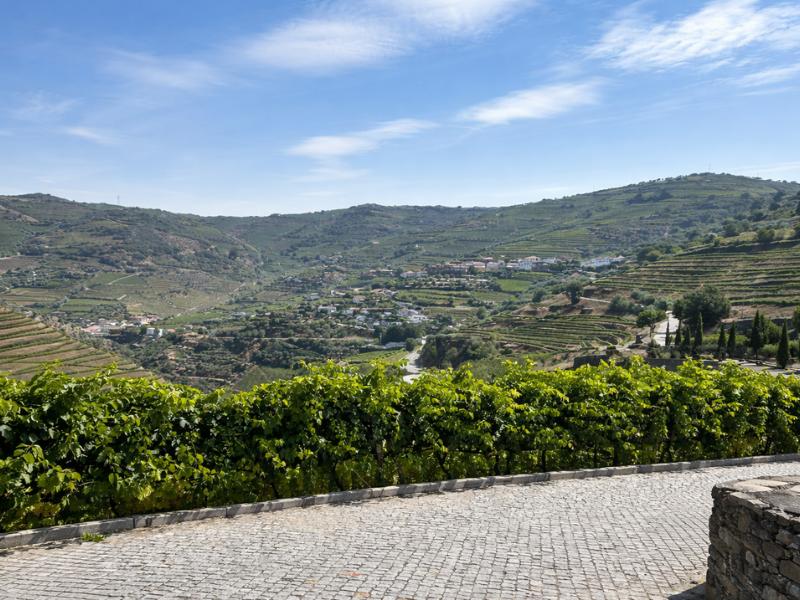
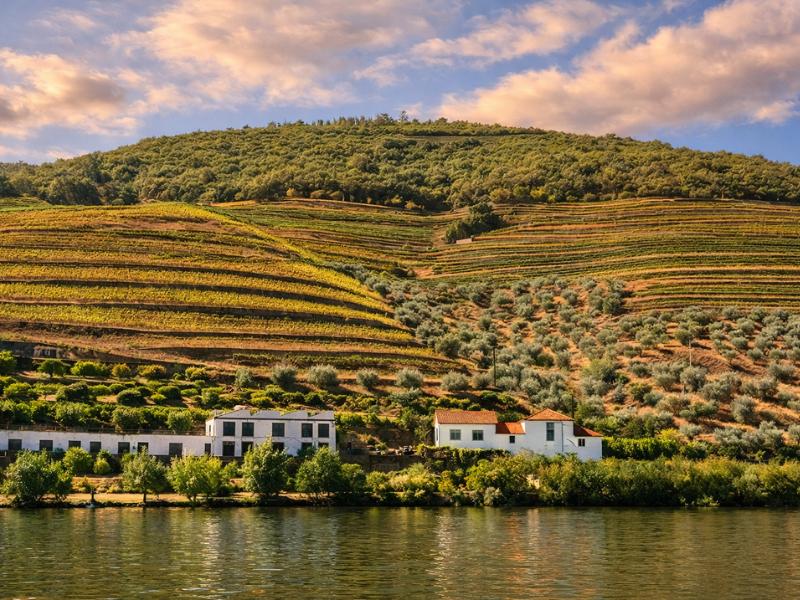
Is a Douro Valley Wine Tour Worth It?
The scenery and the in-vineyard tastings are genuinely different from anything you can do in the city. The trade is a long day and a bigger bill.
Booking Choice: A full Douro day buys transport, tastings, lunch and a river cruise. If you only have a short city window, Taylor’s is a separate cellar option in Gaia. Explore Douro Wine, Lunch And River Cruise
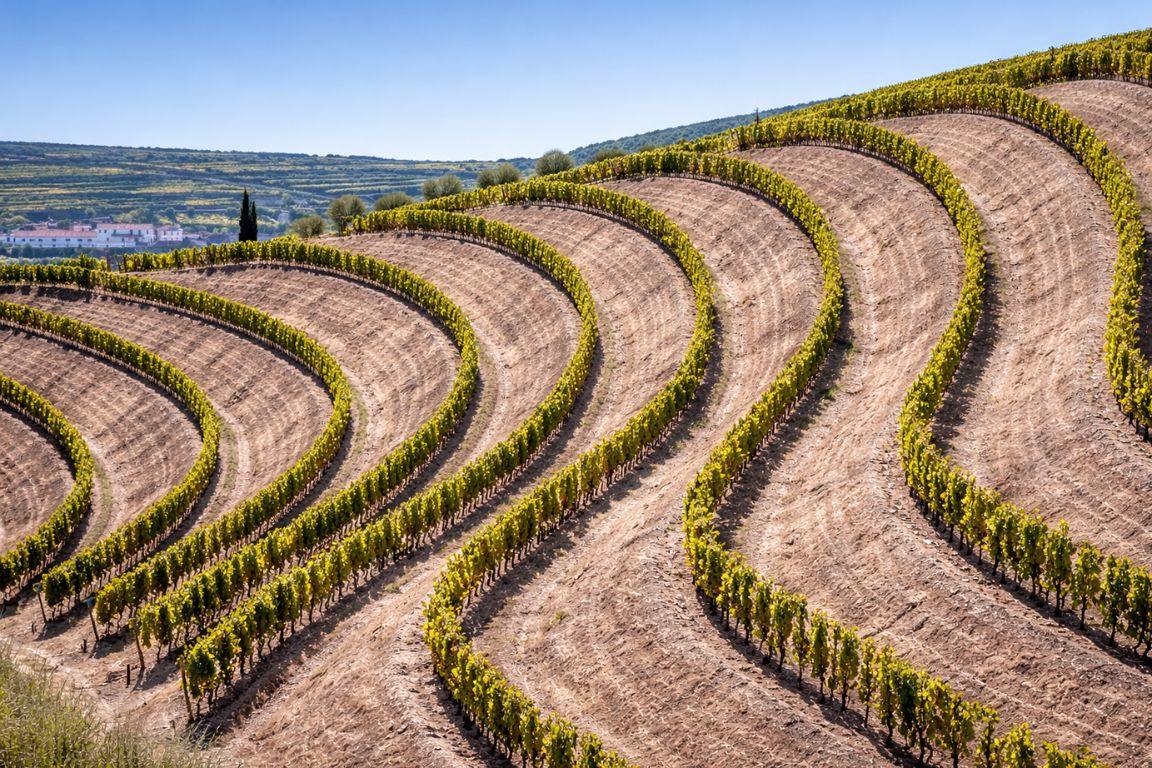
Yes, for most visitors who have at least three days in Porto. A Douro Valley tour buys you the growing half of the wine story: narrow terraces cut into schist hillsides, tastings at the quintas where the grapes are actually picked, and a river that bends out of sight in both directions. What you pay for it is time. A full day from Porto runs roughly nine to ten hours door to door, and it costs two to three times what a walk through the Gaia cellars costs.
For most first-time visitors, yes. A Douro Valley day trip delivers terraced-vineyard scenery, tastings at working quintas, a sit-down lunch and often a short river cruise, none of which a city cellar visit can offer. Plan on nine to ten hours round trip from Porto and roughly $130 to $180 per person, against about $60 for a port lodge tour in town.
For an in-person introduction: Explore Douro Wine, Lunch And River Cruise
What does the Douro give you that a Gaia cellar tour doesn't?
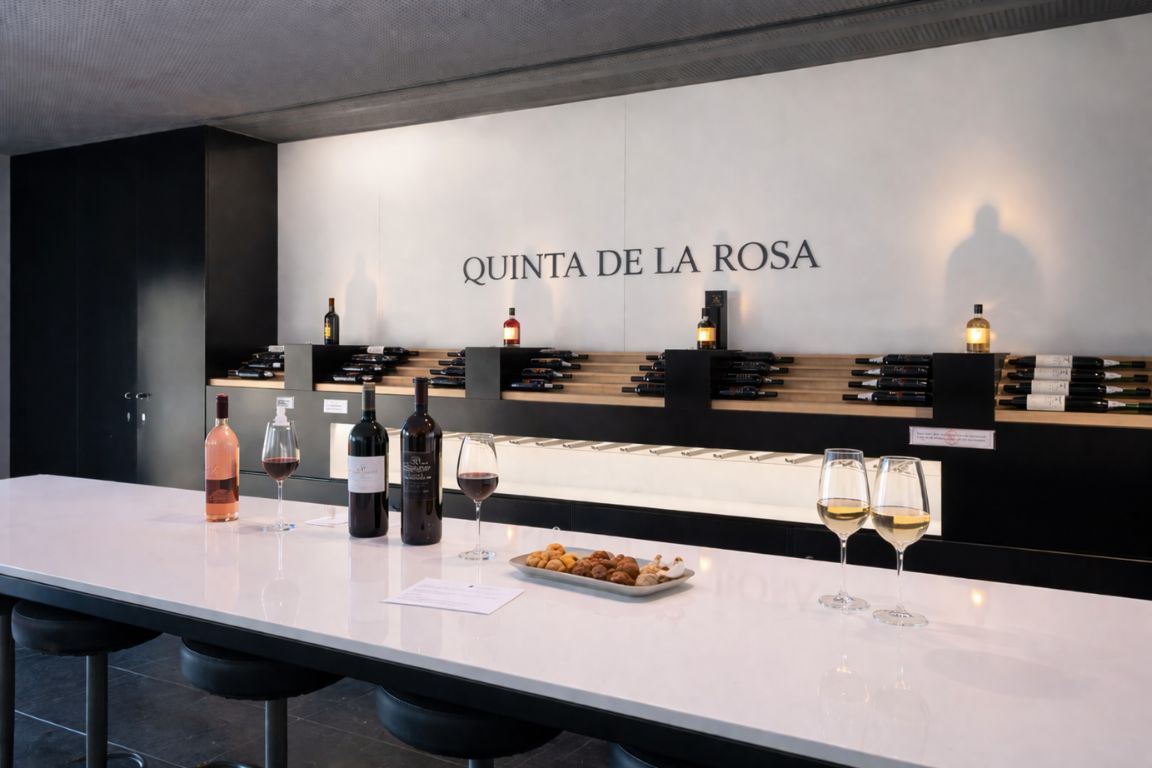
Two different halves of the same bottle. The lodges in Vila Nova de Gaia, a short walk across the Dom Luis I Bridge from the Ribeira, are where port is aged, blended and bottled. You stand between rows of barrels, learn how a tawny is built over a decade or more, and taste six or seven glasses inside a couple of hours. It is good value and low effort: a three-hour walking tour with nine pours of port and Douro table wine runs about $59, and a small-group cellar tour hitting three lodges with seven tastings sits near $60.
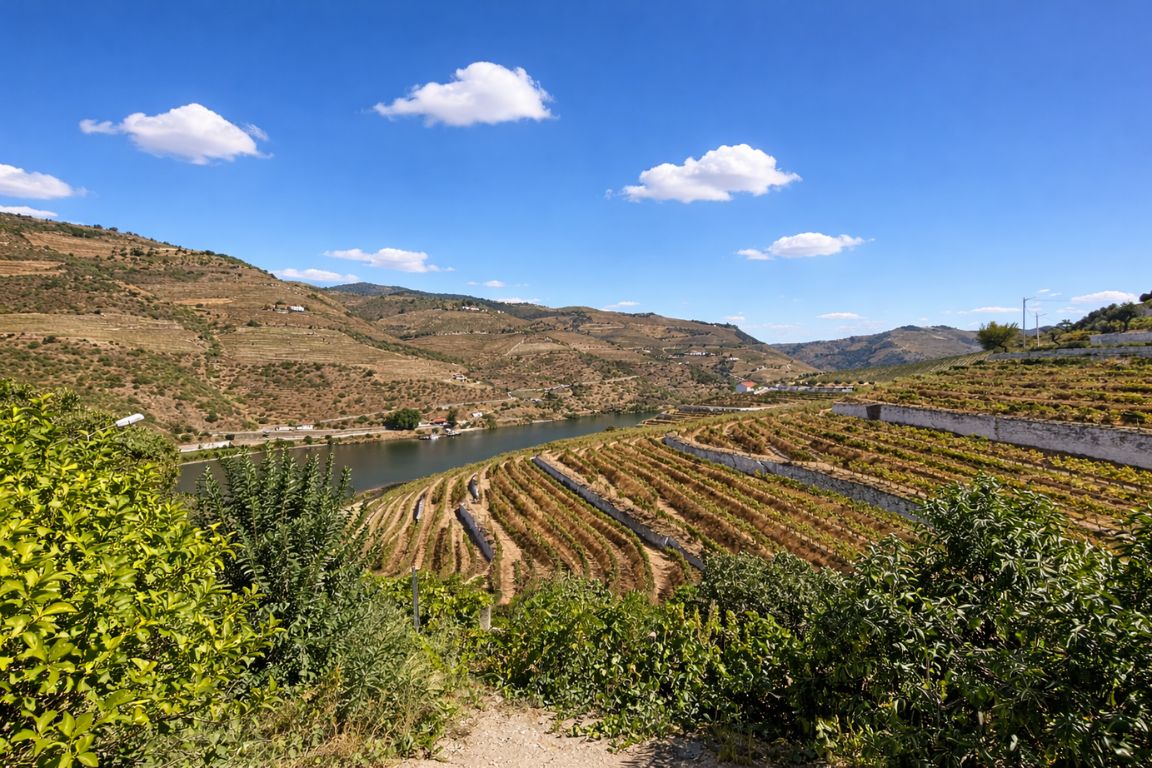
The valley is the other half, and it does not travel. You see why the wine costs what it does the moment the road climbs above Peso da Regua and the hillsides turn into hand-built stone terraces. Tastings happen on a quinta terrace with the vines right there, usually with the person who farms them explaining which slope faces where and why it matters. Lunch tends to be a long regional meal rather than a sandwich stop. Most full-day itineraries also fold in an hour or so on the river, which is the only angle from which the scale of the terracing really registers.
What does a nine to ten hour day actually look like?
The published durations are honest, and they include a lot of road. A typical shape: pickup in central Porto in the morning, roughly two hours inland by van, a first quinta with a vineyard walk and tasting, a second quinta with lunch, a river cruise segment of around an hour, sometimes a third tasting or a viewpoint stop, then the drive back in the evening.
Net time actually on the ground in the valley is closer to five or six hours. That is enough for two or three real stops, not more. Tours that promise four quintas in a day are usually promising less time at each one.
Pricing tracks the format closely. A three-vineyard day with tastings and lunch included comes in around $133 for ten hours. A full-day excursion with tastings and valley highlights sits near $142. Adding a proper boat segment and lunch pushes it to roughly $164, and a small-group premium day with a private-style boat runs about $182 for nine hours. A fully customizable private day is around $249, which stops looking expensive the moment you split it across three or four people.
When is a Douro tour not worth it?
Skip it if you only have two nights in Porto. Giving up an entire day out of two means you will not see the Ribeira properly, and the city itself deserves better than a rushed morning. Skip it if long van days wear you out, or if winding inland roads are a problem for anyone in your group, because the last stretch above the river is a lot of curves.
Skip it, too, if what you actually want is to taste a lot of port. Per dollar and per hour, the Gaia lodges win that contest outright: seven generous pours in three hours for about $63, walking distance from your hotel, no minibus involved. The valley is worth the day when you want to see where the wine comes from, not when you want maximum glasses.
One more honest caveat: July and August afternoons in the valley get seriously hot, and the terraces hold that heat. Spring, early summer and September are more comfortable, and September has the added draw of harvest activity.
What separates a good Douro day from a forgettable one?
Group size does most of the work. A van of eight behaves nothing like a coach of forty, and it shows in how long you wait at each stop and whether the guide can answer your questions. Check the number listed in the tour details rather than assuming.
Then look at what is actually included. Lunch and tastings bundled into the price make the day simpler and usually cheaper than paying at each quinta. A river segment is worth having at least once. Ratings on the better-run Douro days cluster between 4.7 and 5 stars, so a listing well below that band is telling you something.
Our take: book the full day if you have the days to spare, book it early in your trip rather than on your last morning, and pair it with a cellar tour in Gaia on a separate afternoon. The two together explain port far better than either does alone.
The complete lineup of wine tours is worth checking before you commit.