Porto or Douro Valley: Where Should You Stay?
Porto suits most trips. The Douro Valley suits longer ones. The best answer for a week is usually both, in the right order.
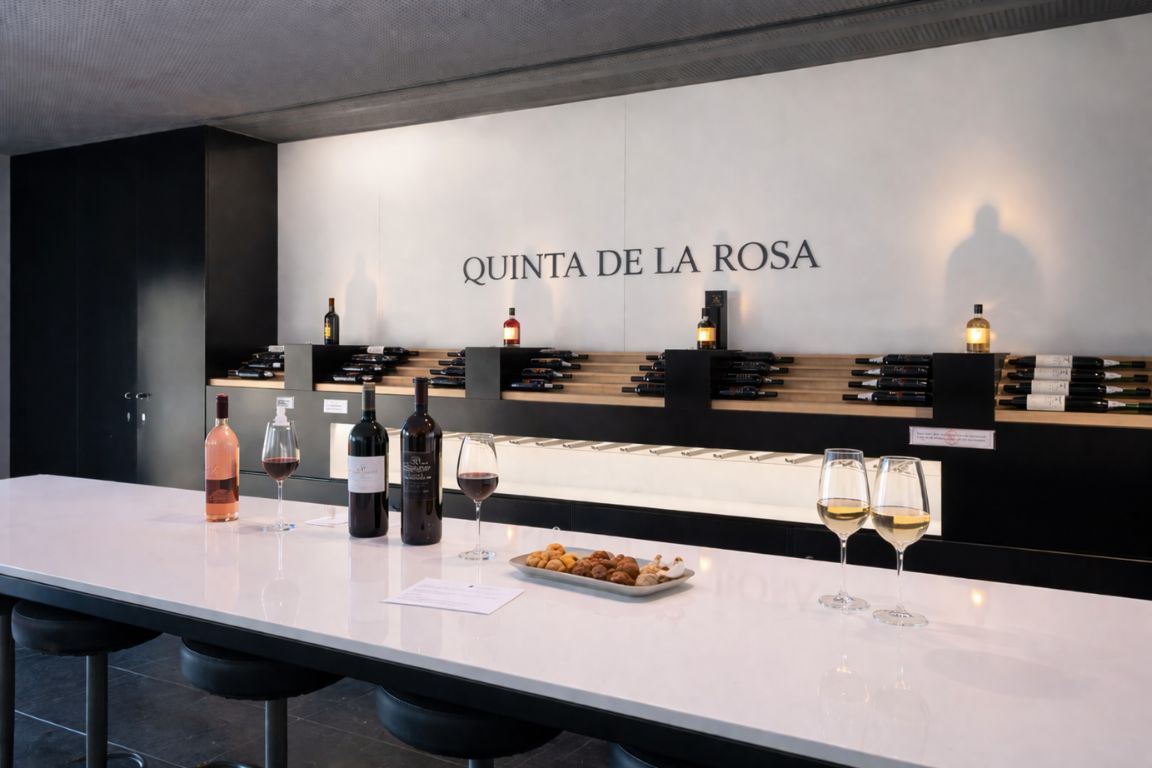
Booking Choice: For a Pinhão stay, book a winery visit that starts there. If you keep your hotel in Porto, choose a round-trip Douro day instead; neither option includes accommodation. Explore Quinta da Foz In Pinhão
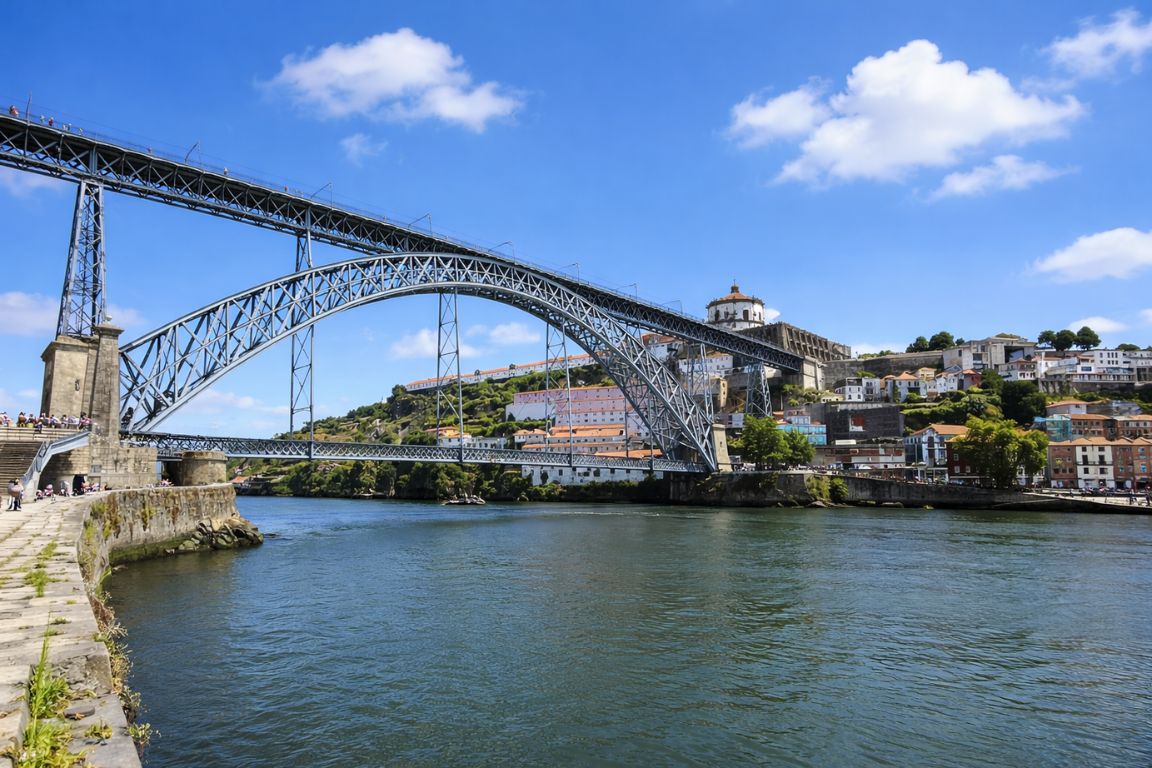
Base yourself in Porto unless you have more than four nights. The city has the flights, the restaurants, the port lodges within walking distance across the Dom Luis I Bridge, and easy day trips upriver. Staying in the Douro Valley is quieter and closer to the quintas, which is a real advantage, but it costs you evening options and adds a long transfer at the end of the trip.
Stay in Porto for trips of three or four nights: the airport, the restaurants and the Gaia port lodges are all right there, and full-day Douro tours run from the city in nine to ten hours. Stay in the Douro Valley for five nights or more, or split the trip, with the valley nights in the middle and Porto at both ends so the airport run stays short.
For an in-person introduction: Explore Quinta da Foz In Pinhão
What does Porto give you as a base?
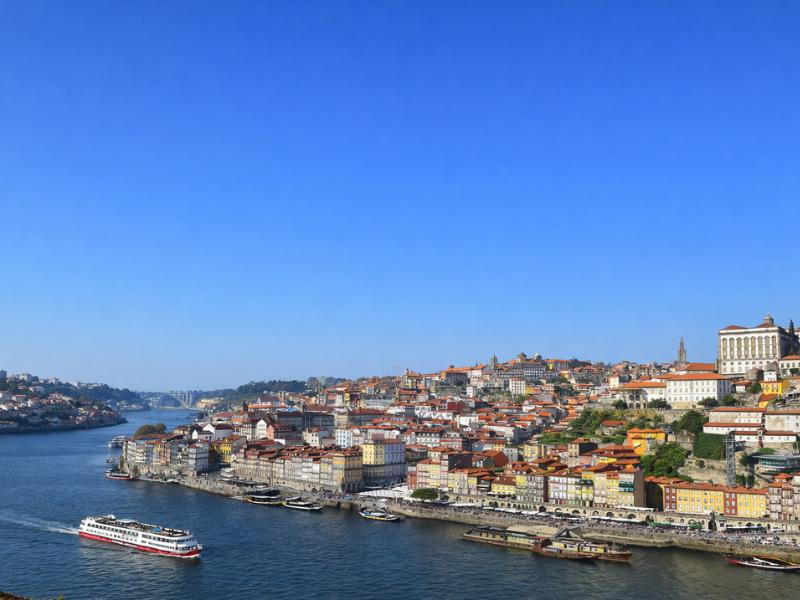
Everything logistical. Francisco Sa Carneiro airport is a short metro ride from the centre, so arrival and departure days cost you almost nothing. Lodging runs the full range from hostels to riverside hotels, and it is generally cheaper than a quinta hotel of similar comfort. Dinner is a genuine choice rather than whatever your hotel is serving.
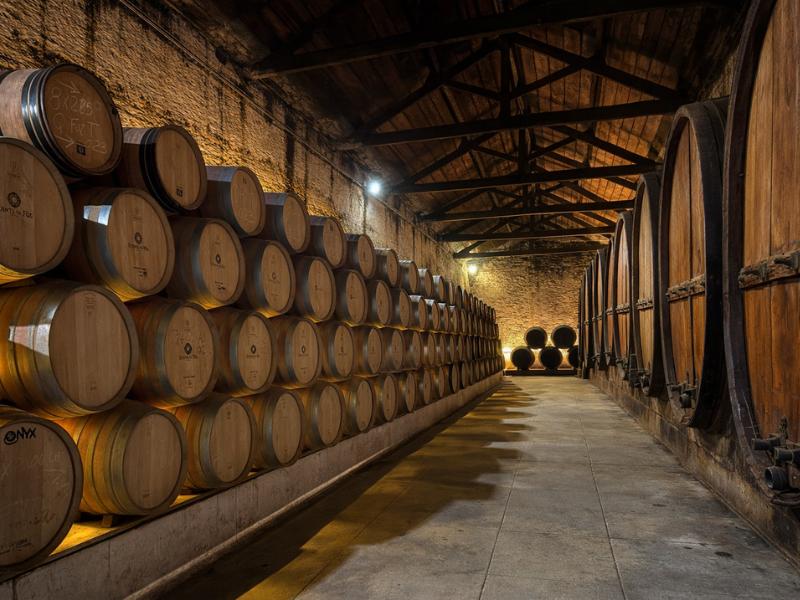
The port lodges are the specific reason this matters for a wine trip. Vila Nova de Gaia sits directly across the river, walkable over the bridge, and the cellars there are where port is aged and bottled. You can fill an afternoon with a three-cellar tasting tour for around $60, then walk back for dinner in the Ribeira. A six-hour city day combining a six-bridges cruise with a port tasting runs about $71, which is an easy way to spend a first full day.
Day trips work from here too. The valley is roughly two hours inland, so the full-day tours pick you up in the city and return you in the evening. You give up a day, not a hotel change.
Cost is part of the argument as well. A room in Porto generally buys more comfort per euro than a quinta hotel of similar standard, and you are not paying for a view you only see at breakfast and after dark. The city is also compact enough to walk, so most days cost nothing in transport beyond a metro ticket.
What does staying in the Douro Valley give you?
Mornings. That is the honest headline. Waking up already in the valley means you can be at a quinta by 10am without a two-hour drive first, and you can take a tasting at the pace it deserves rather than watching the clock for the ride back. Quinta hotels with terraces above the river are a different kind of stay, and the light on those terraces at dawn and dusk is the thing people remember.
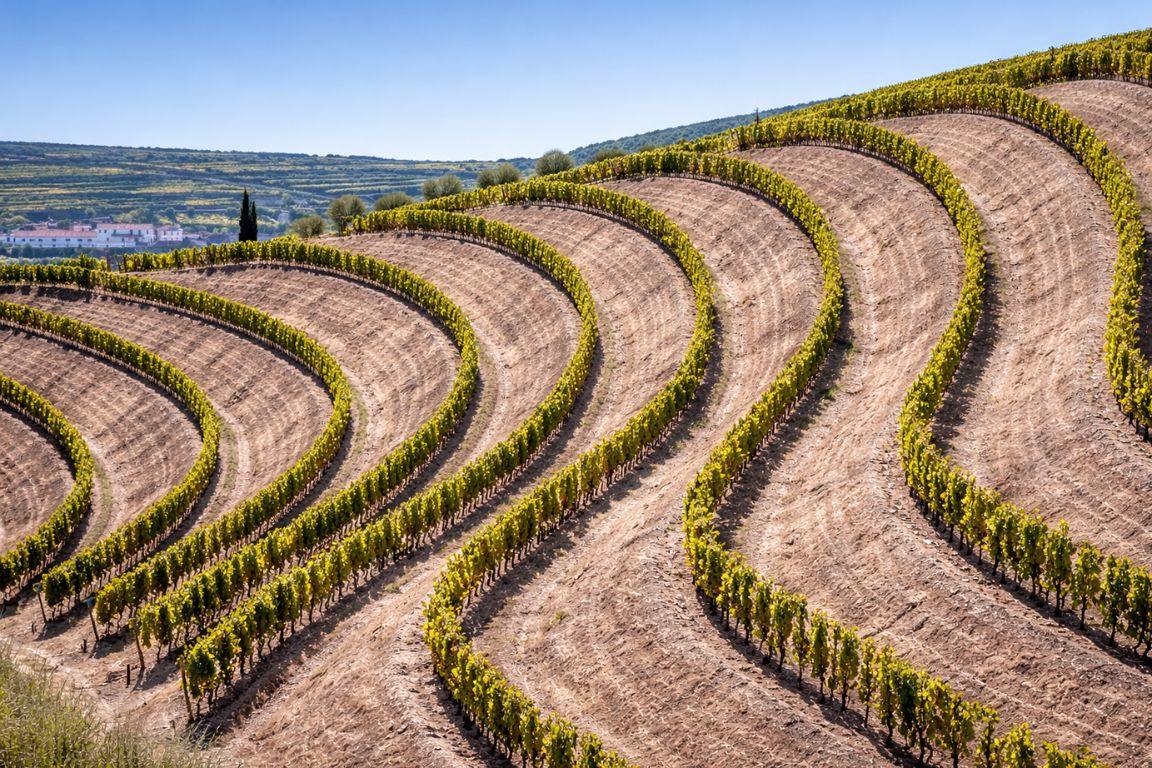
The trade is real. Restaurant choice around Pinhao and Peso da Regua is limited, and outside the main season some places close entirely, so dinner often means the hotel. Public transport between quintas is thin, which means a car and a designated driver, or pre-booked transfers. Prices at the better quinta hotels are high for what you get in room terms, because you are paying for the view and the setting. And on your last morning, the airport is back down that same road.
Booking behaves differently up there too. The good quinta hotels are small, sometimes a dozen rooms, and they fill months ahead for September and October. Dinner reservations at the hotel restaurant are worth making when you book the room rather than on arrival, since half-board is often the practical option rather than a fallback.
None of that is a reason to avoid it. It is a reason to do it deliberately, for two nights rather than five, and not on the days either side of a flight.
How do the two compare directly?
| Porto | Douro Valley | |
|---|---|---|
| Airport access | Short metro or taxi ride | Roughly two hours by road |
| Port cellars | Walkable in Gaia, dozens of them | None: cellars are in Gaia, vineyards are here |
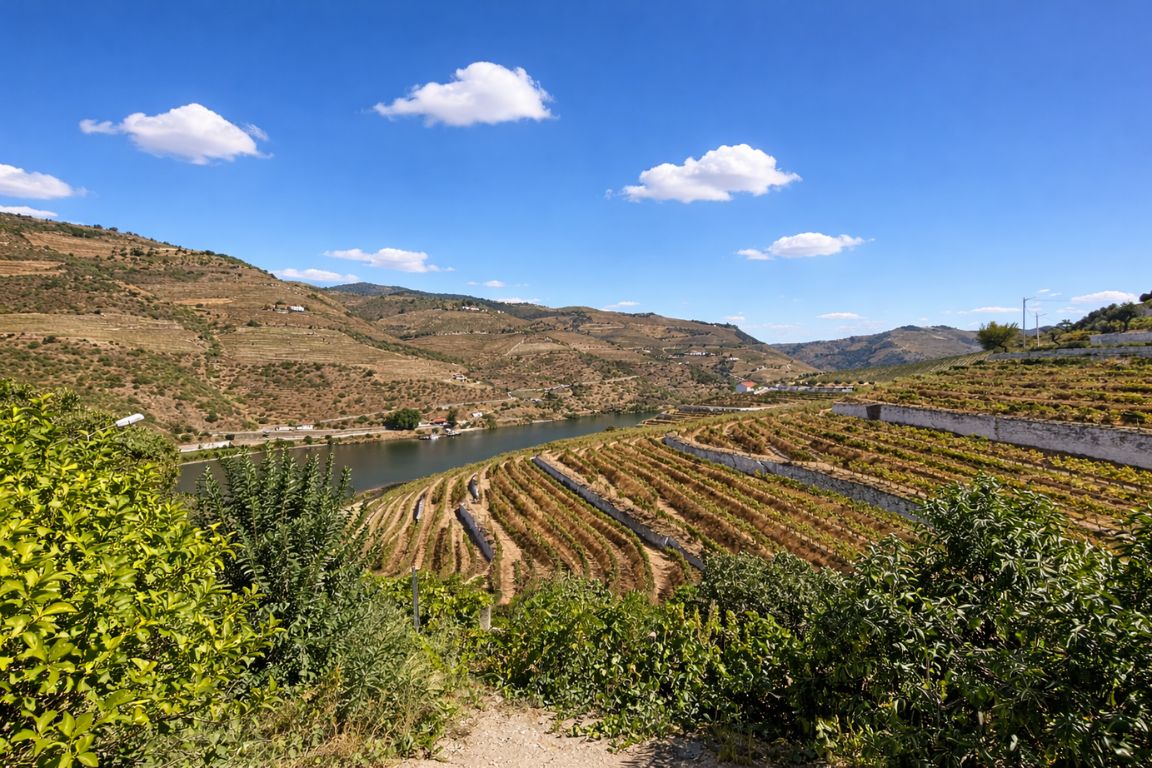
| Vineyard access | Day trips of nine to ten hours | Quintas within 20 to 40 minutes |
| Dinner options | Wide range at every price | Hotel restaurants and a few village spots |
| Getting around | Walkable, metro, taxis | Car or pre-booked transfers |
| Best for | Three or four nights, first visit | Slow trips, repeat visits, five nights or more |
What split works for most wine trips?
Five to seven nights: three or four in Porto, then one or two in the valley, then back to Porto for the final night. Putting the valley in the middle means one transfer each way instead of two long day-trip drives, and ending in the city keeps your departure simple.
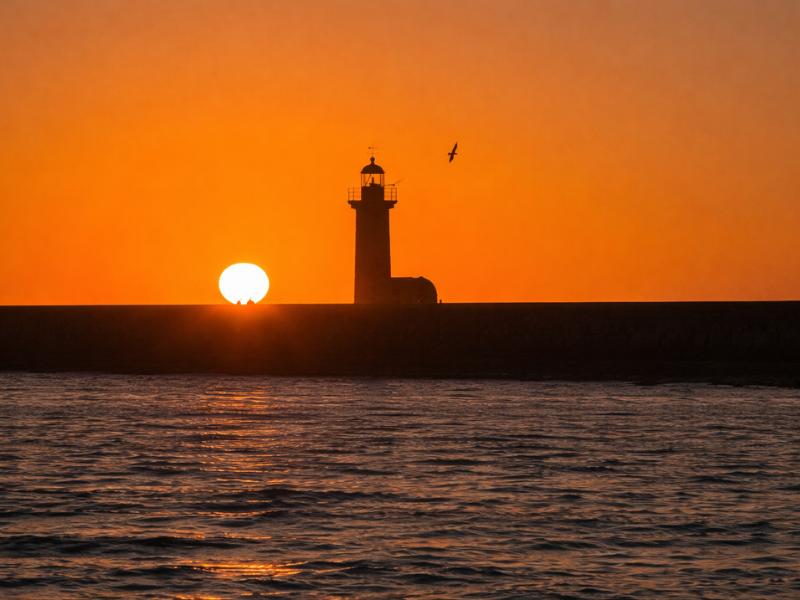
Three or four nights: stay in Porto the whole time and take one full day upriver. A nine-hour day that pairs tastings with a relaxed boat cruise runs around $200 and covers the ground well without a hotel change.
Two nights: stay in Porto and do the city properly. Gaia cellars, the Ribeira, a river cruise, and a good dinner beat a rushed round trip inland. The valley will still be there next visit, and it rewards a trip built around it rather than squeezed in.
If you do take valley nights, Pinhao is the most convenient base for quinta visits and sits right on the river, while Peso da Regua is larger, better connected by train and slightly easier for dinner. Either works. What matters more is that you arrive with your quinta appointments already booked, because walking up to a working wine estate unannounced rarely gets you a tasting.
The rest of the available Porto wine tours are worth a glance too.