Why Is Port Wine So Expensive?
Two real costs drive the price: farming a vertical vineyard by hand, and paying to store wine for decades before you can sell it.
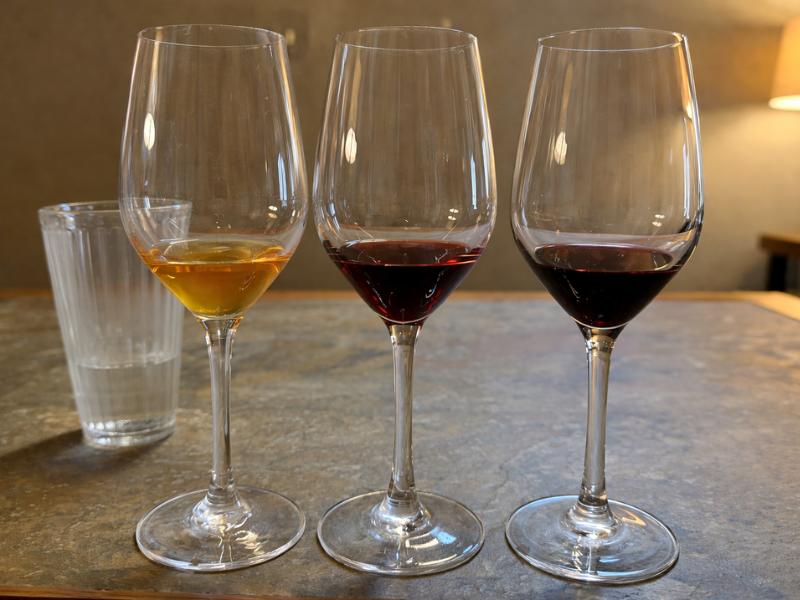
Booking Choice: Taste before committing to a bottle: Poças offers a guided cellar visit and three Ports. A Pinhão winery visit adds the vineyard side of the price story. Explore Poças Cellar And Three Ports
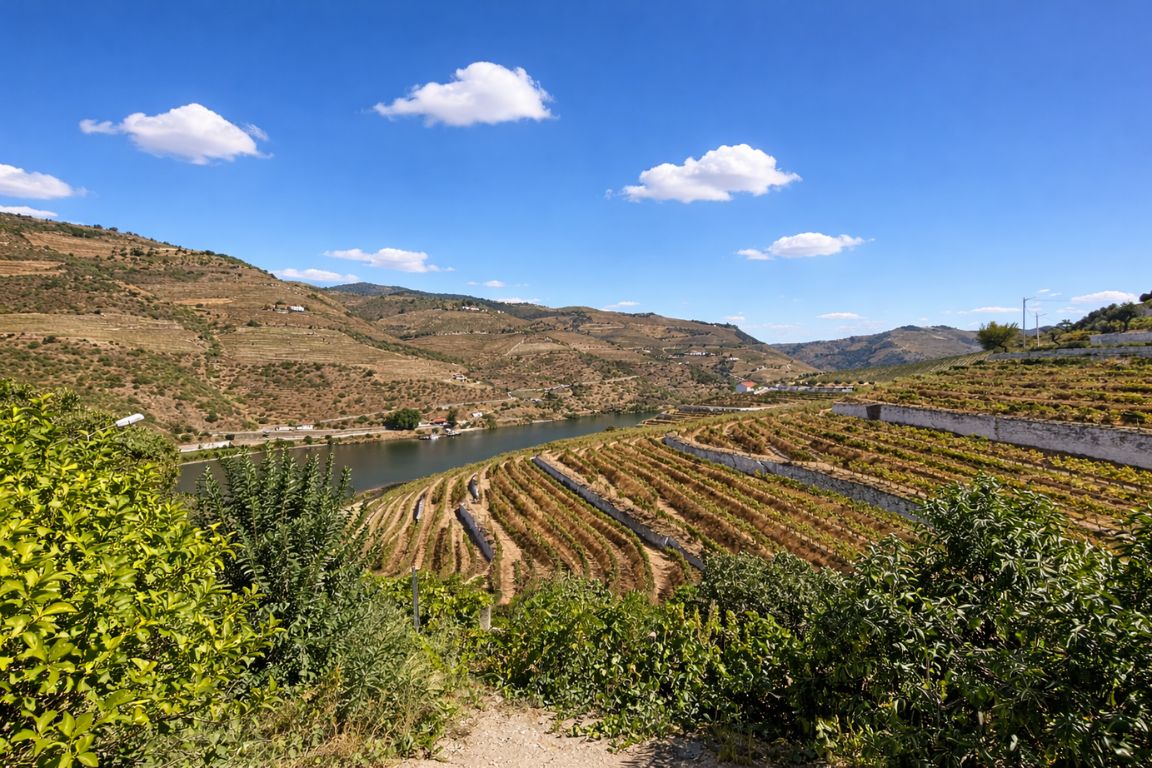
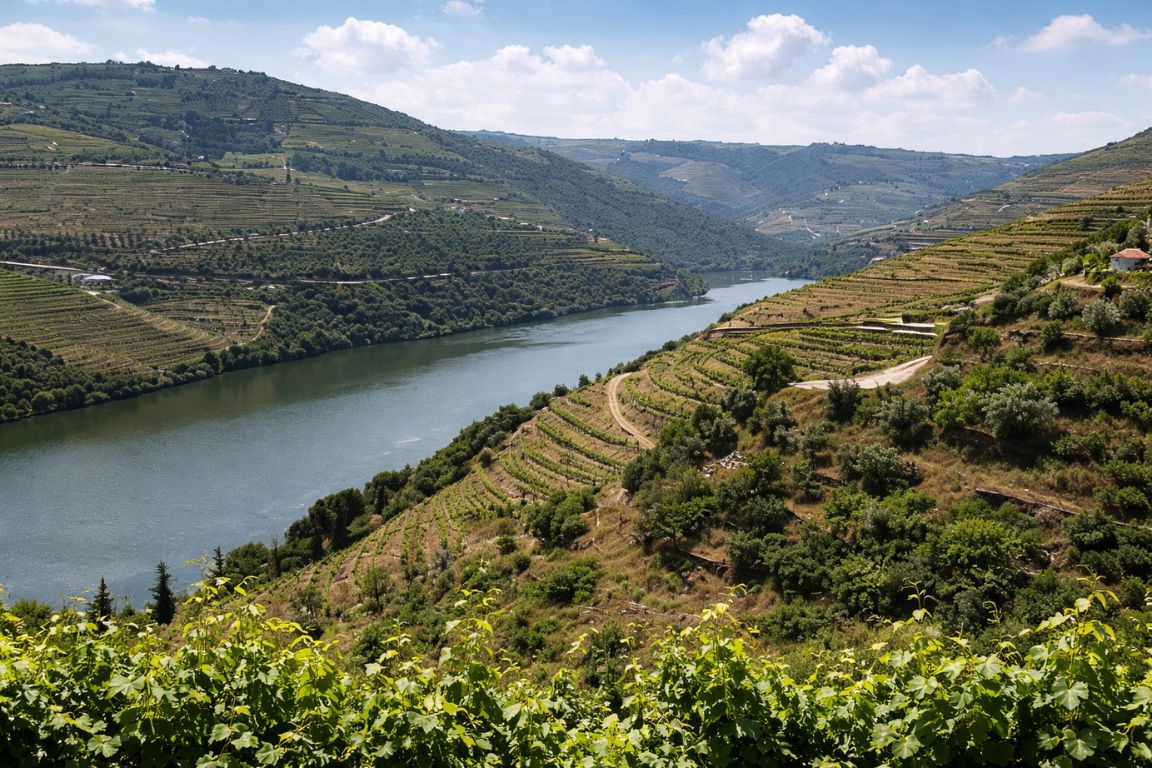
Two costs do most of the work. The Douro's vineyards sit on steep terraced schist hillsides where mechanical harvesters mostly cannot operate, so the fruit is picked by hand, which is far more expensive than the machine-harvested flat vineyards that supply cheap wine elsewhere. Then the aged styles sit in cellars for years or decades before anyone can sell them, tying up both capital and space the whole time. Add production rules enforced by the IVDP and you have the price.
Port is expensive mainly because of hand harvesting on steep terraced slopes where machines cannot work, and because aged styles like tawny and vintage tie up capital and cellar space for years or decades before sale. Production is also regulated by the IVDP. Not all port is costly, though: ruby is the affordable entry point, and the premium sits in aged tawny and vintage.
For an in-person introduction: Explore Poças Cellar And Three Ports
Why does the farming cost so much?
The vineyards are vertical. The Douro's slopes fall hard toward the river, and the soil is schist, a layered rock that vines root into but tractors do not enjoy. Generations of growers cut those hillsides into narrow terraces held by dry stone walls, and those walls still need maintaining. On most of that ground a mechanical harvester simply cannot get to the fruit or cannot operate safely on the gradient.
So people pick it. Hand harvesting means crews, supervision, transport and a compressed window in which the fruit has to come in, and the labour bill lands on every bottle. Compare that with a flat vineyard where one machine and one driver bring in tonnage overnight and the difference is not marginal.
Yields are the other half. Old vines on poor rocky soil produce less fruit per hectare, which concentrates flavour and simultaneously spreads all those fixed costs across fewer bottles.
Then there is the ground itself. Building or rebuilding a terrace on that gradient is heavy engineering, and the walls that hold them up need attention year after year. When a block finally has to be replanted, the new vines will not produce sellable fruit for several years, and the producer carries the whole cost of that block in the meantime.
Why does aging add so much to the price?
Time is inventory. A ten-year tawny means the producer bought the grapes, paid the pickers, filled the barrels and then waited a decade before a single euro came back. A twenty or thirty year tawny means waiting longer still, and a declared vintage spends years in bottle before it drinks well.
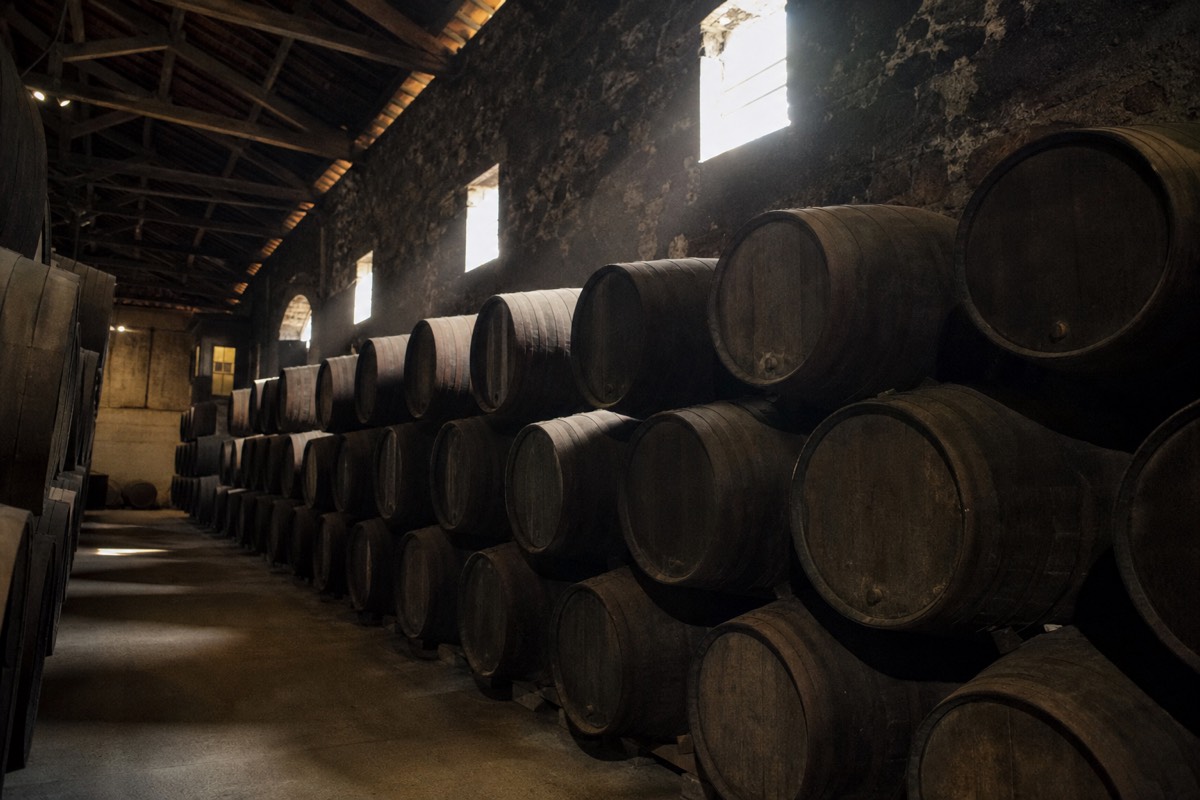
Through all of that, someone is paying for the cellar it sits in, insuring it, topping up barrels and absorbing evaporation losses. The wine that eventually reaches the shelf has to cover the cost of every year it did nothing but sit there, plus the cost of the wine that never made the grade.
This is also why the price curve is so steep at the top. Going from a ten-year tawny to a forty-year one is not a small step up in quality inputs. It is thirty more years of somebody else's money and space.
What do the rules add?
Port is a protected origin, and the IVDP sets the conditions: which parts of the demarcated Douro may be used, how the wine is produced, minimum aging for each style, how bottles are labelled. Meeting those requirements has a cost, and so does the certification and oversight behind them.
Supply is capped as well. Only a share of each year's Douro harvest may be turned into port, under an annual quota system the IVDP administers, with the rest going into table wine. A grower cannot simply respond to demand by making more port, which keeps the supply of the aged styles tight by design.
The upside for a buyer is that the label means something. When a bottle says twenty year tawny, that is a defined category rather than a marketing description, and that reliability is part of what the price buys.
Which ports are actually affordable?
Most of them, honestly. Ruby port is the entry point: young, fruit-forward, aged only briefly, and priced accordingly. Reserve ruby costs a little more and drinks noticeably better. Late bottled vintage is the value sweet spot for many drinkers, offering something close to vintage character without the vintage wait.
The premium sits in a narrow band: aged tawny at twenty years and above, and declared vintage port. Those are the bottles people are thinking of when they say port is expensive, and they are expensive for the reasons above rather than because of branding.
It also helps to know what you are paying for at the shelf. Age statements on tawny, twenty and thirty and forty year, describe the average age of the blend rather than a single harvest, and each step up the ladder represents years more storage. Vintage is the opposite logic: one declared year, bottled early, aged by you or by whoever held it before you.
A tasting tour is the sensible way to try the expensive end. A three-hour cellar tour in Vila Nova de Gaia with seven generous pours runs about $63, which gets you across styles you would never buy by the bottle just to try. Taste first, then decide which one is worth carrying home. Most people who do this end up buying something different from what they walked in intending to buy, and usually cheaper.
It is worth comparing this against the other wine tour options before deciding.