Is Port Wine Good for You?
Port is an alcoholic drink, not a health food. Here is the measured version, plus how to pace yourself through a tasting flight.
Booking Choice: If you are skipping alcohol, Porto’s six-bridges sightseeing cruise offers a city outing without a wine tasting. It is a travel option, not a health recommendation. Explore Porto Six Bridges Cruise
Port is alcohol, and it should be thought about the way any alcohol is thought about. It carries more alcohol by volume and more sugar than a standard table wine, which means a given amount of port delivers more of both than the same amount of red or white. General public health guidance on moderate drinking applies, and arguably applies with a little more care here because of that concentration.
Port is not a health drink. Fortification pushes it to roughly 19 to 22 percent alcohol by volume, against roughly 12 to 14 percent for table wine, and most styles retain natural sugar left behind when fermentation is stopped. Standard moderate-consumption guidance applies, and health authorities do not advise anyone to start drinking for health reasons.
For an in-person introduction: Explore Porto Six Bridges Cruise
Why does port hit harder than table wine?
Because it is deliberately stopped mid-fermentation. In a normal wine, yeast eats the grape sugar and converts it into alcohol until the sugar is essentially gone. Port producers interrupt that process by adding grape spirit partway through. The yeast stops working, some of the original sugar never gets converted, and the added spirit lifts the finished wine to around 19 to 22 percent alcohol by volume.

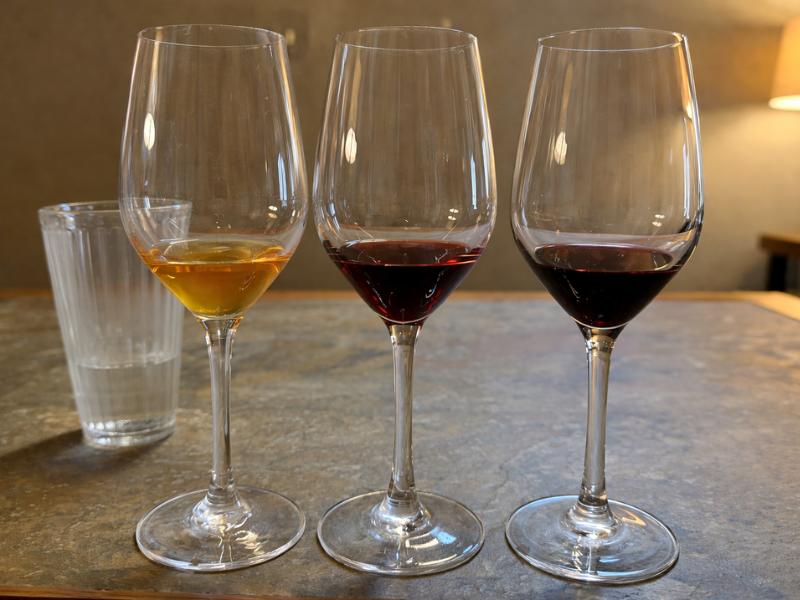
The result is a drink that is both sweeter and stronger than the wine most people pour at dinner. That is the whole point stylistically, and it is also the reason port is traditionally served in a small glass. A standard port pour is a fraction of a table wine pour, which is not fussiness. It is how the serving size gets matched to the strength.
The practical takeaway is simple arithmetic. If you drink port in table wine quantities, you are taking on far more alcohol than you think you are.
What about the sugar?
Most of the port people know is sweet. Ruby, tawny, late bottled vintage and vintage all keep residual sugar from the interrupted fermentation, which is why they work at the end of a meal and alongside cheese or chocolate. Dry and extra dry white ports exist and sit at the drier end, but they are the exception rather than the rule on a tasting menu.
Calories follow the same logic. Alcohol and sugar are both energy dense, so a sweet fortified wine carries more of both per unit of volume than a dry table wine does. The traditional small glass offsets a fair share of that in practice, which is one more argument for pouring port the way it is meant to be poured rather than filling a standard wine glass with it.
If you manage your blood sugar, or you have been told by a doctor to watch either sugar or alcohol intake, that combination is the part worth raising with them rather than working out on your own. We run a tour site, not a medical one, and the sensible move is to ask someone who knows your situation.
How do you taste port sensibly on a wine trip?
This is where the question usually comes from in practice. A cellar tour in Vila Nova de Gaia might pour seven tastings across a couple of hours, and a Douro day can add several more on top. Small measures add up quietly.

A few things help. Eat properly beforehand, because a tasting on an empty stomach at 10am is a different experience from the same tasting after breakfast. Drink water between pours, and use it to rinse your palate as well. Spit buckets are on the table at every serious tasting and using one is completely normal, not a sign that you are not enjoying yourself. Nobody at the lodge will think anything of it.
Timing matters more than people expect. Cellar tours often run in the morning, and seven pours before lunch is a lot of alcohol for an hour that feels like sightseeing. An afternoon slot after a real meal is gentler, and you will taste more accurately as well, because a tired palate stops telling the tenth glass from the eleventh regardless of how good the wine is.
Pace also matters across the trip, not just within one tasting. Stacking a morning cellar tour, an afternoon flight and dinner wine into a single day is more alcohol than most people intend to drink. Spread the tastings across your stay. And if you are driving in the Douro rather than riding in a van, the answer is easy: taste nothing, or hand over the keys.
Who should skip port entirely?
Anyone who is pregnant or trying to become pregnant, anyone taking medication that interacts with alcohol, anyone advised by a doctor to avoid it, and anyone in recovery. The higher alcohol by volume makes port a poor choice for someone trying to keep intake low, since the same size glass carries substantially more than table wine would.

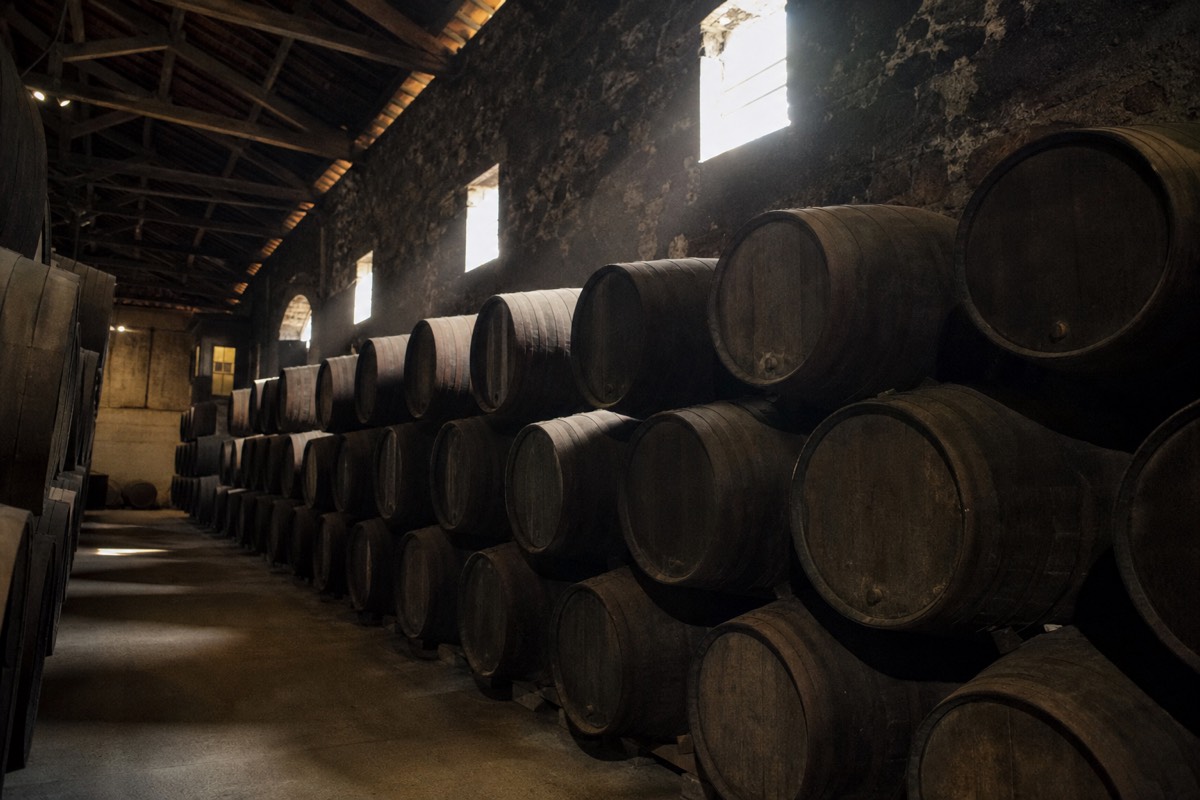
None of that means skipping the experience. The lodges in Gaia are historic buildings full of barrels, and the tour itself is worth doing for the history and the smell of the cellar alone. Guides are used to guests who do not drink, and most tours are happy to seat a non-drinking companion through the tasting. If you are travelling as a group with mixed preferences, a cellar tour handles that far more gracefully than a day of vineyard tastings does.
The honest summary: port is a pleasure, not a supplement. Treat it as one, keep the pours small, and it takes care of itself.
Browse the other wine tours covered here before booking.