Gaia Wine Cellar District: A Self-Guided Walking Guide
The port lodges are not in Porto. They sit across the water in Vila Nova de Gaia, packed into one waterfront strip and the steep lanes behind it, and you can walk the whole thing yourself.
Booking Choice: Keep the waterfront walk independent and reserve one cellar visit. Taylor’s suits a self-paced route; Poças provides a live guide; the three-cellar walk is a separate guided alternative. Explore Taylor's Cellar Visit
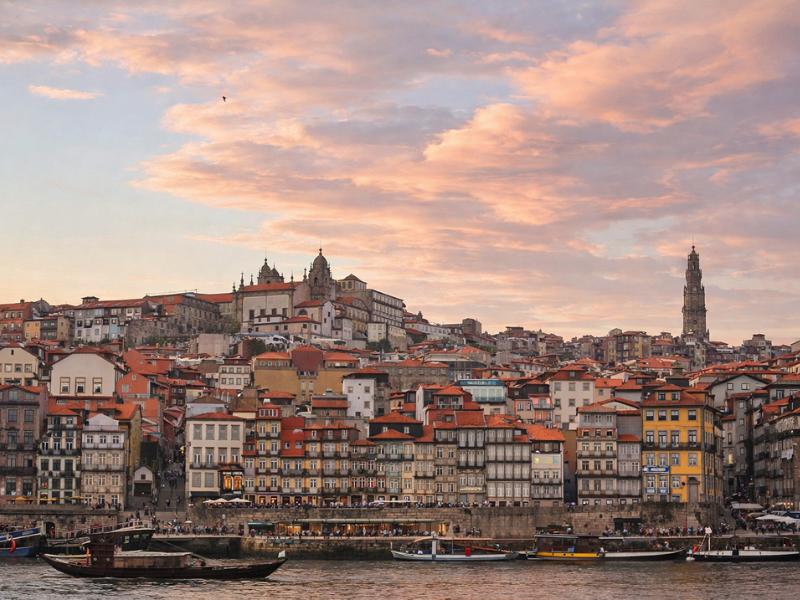
Stand on the Ribeira quay in Porto and look across the river. That wall of tiled roofs and painted house names on the far bank is Vila Nova de Gaia, a separate city with its own council, and almost every barrel of port that ever left Portugal by ship spent time aging behind those walls. The cellar district is unusually easy to walk because it barely spreads out. The historic lodges cluster along one riverside avenue, Avenida de Diogo Leite, and climb a short way up the hillside behind it. You do not need a car, a tour bus, or a plan more complicated than a pair of shoes that handle cobbles.
At A Glance: The waterfront walk is your own route; cellar admission is a separate choice. Account for the hills and leave room between appointments. Explore Taylor's Cellar Visit
What follows is the route our team walks when we take visitors over: how to cross, what order to hit things in, how long two or three lodges honestly take, and where the DIY approach stops making sense.
How do you get from central Porto to the Gaia lodges?
Cross the Dom Luis I Bridge on foot. The lower deck starts in Ribeira and lands you at river level, right at the lodge strip, with no climb. The upper deck runs beside the metro track high above the water, gives the best view of the district, and lands at Jardim do Morro, where the cable car takes you down.
Both decks of the bridge are walkable, and choosing between them is really a choice about what you want first: the view or the wine. The lower deck is flat, quick, and unglamorous. You step off the Ribeira waterfront, walk across at water level, and you are standing among the lodge entrances within a few minutes. The upper deck is the postcard. It sits far above the Douro, the walkway runs alongside the metro line, and the panorama takes in Ribeira's stacked houses on one bank and the lodge roofs on the other. The trade-off is that the upper deck delivers you to the top of a steep hill, so you either walk down or ride down.
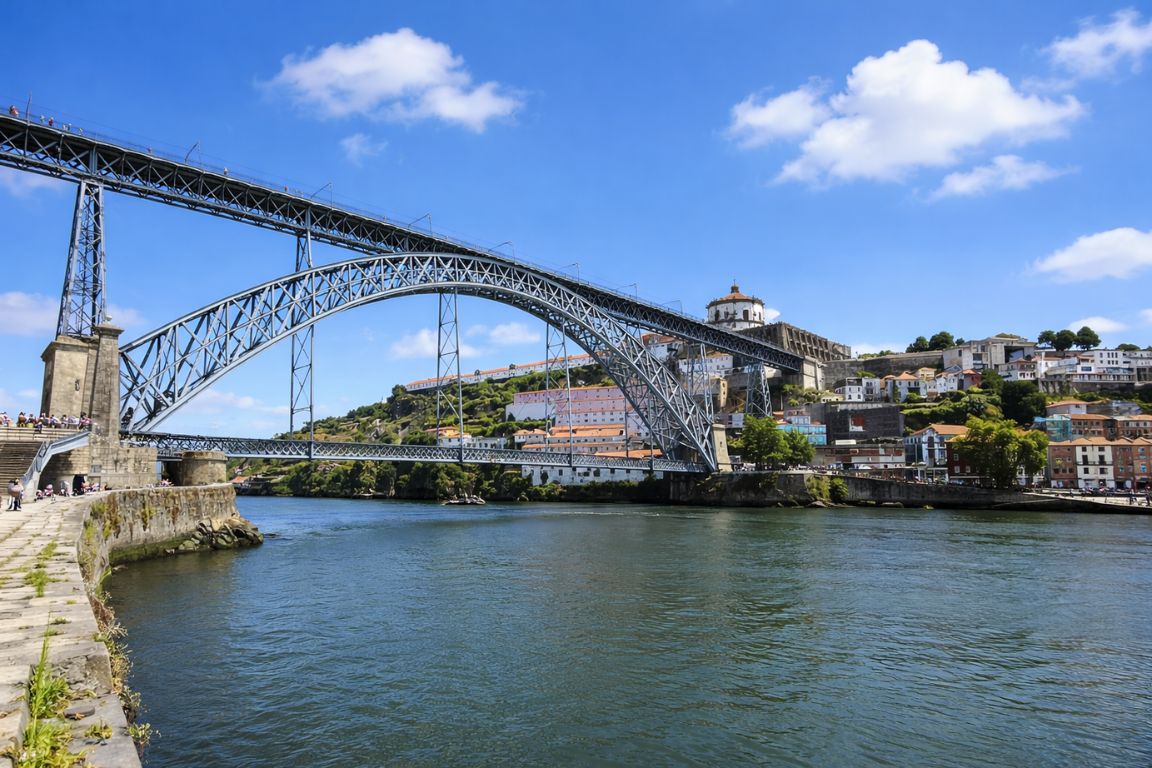
That descent is what the cable car solves. The Gaia teleferico connects the Jardim do Morro viewpoint at the top with the riverfront near the bridge, running in an enclosed gondola with glass sides. It is a short ride, roughly five minutes, and it is a paid ticket rather than public transport. Plenty of visitors buy a one-way ticket down in the morning and walk back up later, or ride up at the end of the day for sunset.
If the weather is bad or your legs are done, the metro handles the crossing for you. Line D runs across the upper deck and stops at Jardim do Morro on the Gaia side, so a short ride from central Porto puts you at the top of the hill with no walking across open water in the wind.
| Route | What it is | Roughly how long | Best for |
|---|---|---|---|
| Lower deck on foot | Flat crossing at river level from Ribeira into the lodge strip | A few minutes | Arriving at cellar level with no climb |
| Upper deck on foot | High pedestrian walkway beside the metro track | A few minutes plus the descent | Photos first, tastings second |
| Metro, Line D | Crosses on the upper deck, stops at Jardim do Morro | A short ride from the centre | Rain, heat, tired legs |
| Cable car (teleferico) | Enclosed gondola between the hilltop and the waterfront | About five minutes | Skipping the steep downhill, river views |
| Taxi or rideshare | Road crossing, usually via a different bridge | Varies with traffic | Luggage, mobility limits, late evenings |
One practical note that catches people out: the two decks do not connect to each other at the Gaia end without a real climb. If you cross on the upper deck and then decide you want to go back over on the lower one, you are descending the hillside first. Pick your deck with the rest of your afternoon in mind.
What does the cellar district actually look like on the ground?
Think of it as three levels stacked on a hillside. The riverside avenue holds the lodge entrances, tasting rooms and moored boats. Steep lanes and staircases climb behind it, carrying more cellar gates and far fewer crowds. At the top sits the Jardim do Morro viewpoint, the metro stop and the cable car station.
The geography is simple once you see it. Avenida de Diogo Leite is the promenade running along the water, and it is where most visitors spend their entire day. Lodge signage faces the river, the tasting rooms and shops open onto the pavement, and the traditional flat-bottomed rabelo boats are tied up along the quay, masts up, barrels stacked on deck. Those boats used to carry wine down from the vineyards. Today most of the ones you see on the waterfront are ceremonial and decorative, kept as advertising and as a reminder of how the trade actually worked.
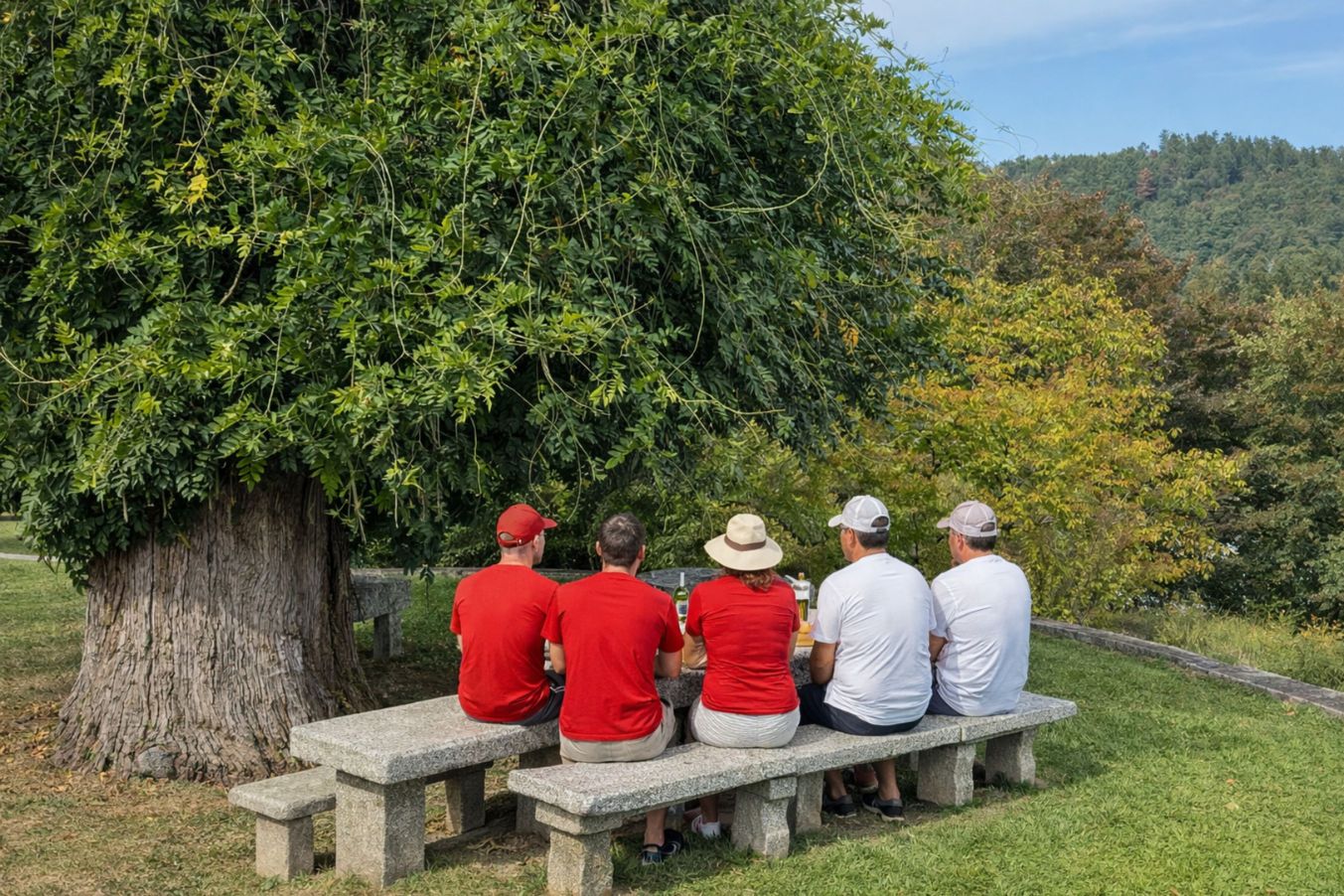
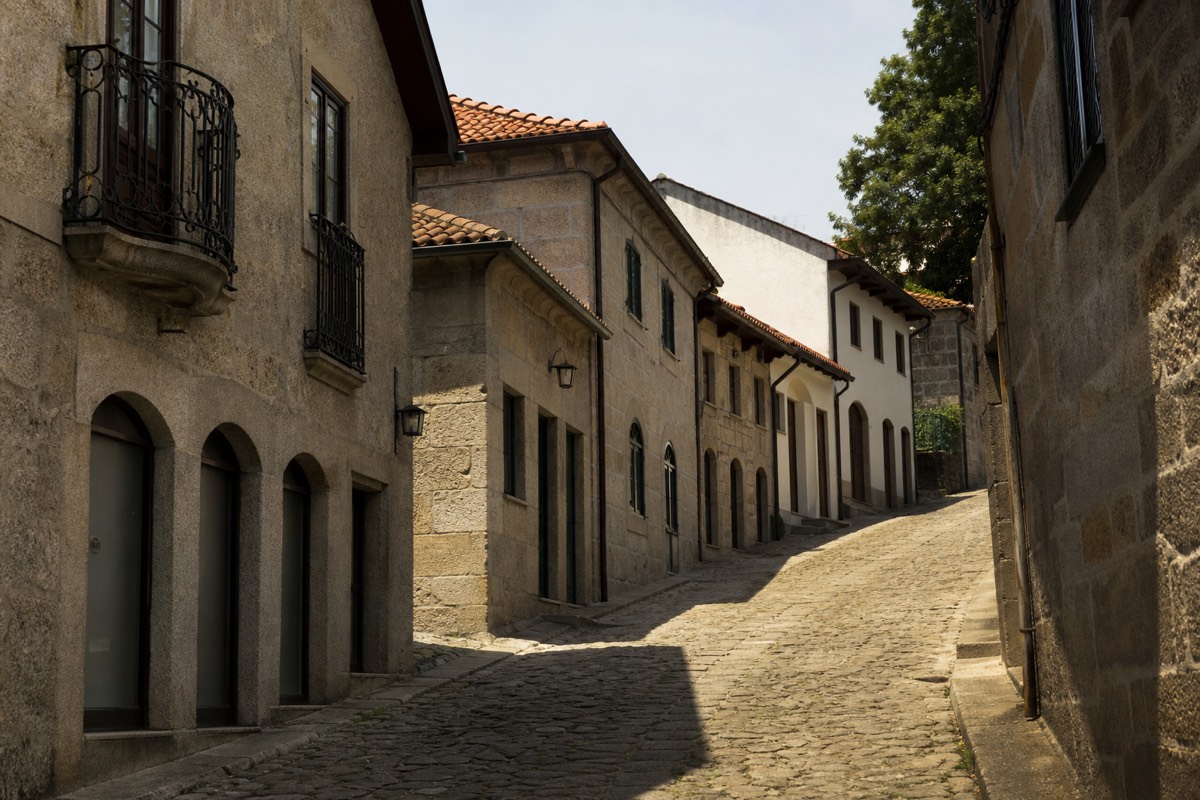
Behind the avenue the ground goes up fast. The lanes climbing that slope are narrow, often cobbled, sometimes stepped, and this is where the district stops feeling like a tourist promenade. You pass cellar gates, loading yards, and the plain working backs of buildings whose river frontage is polished for visitors. It is quieter, cooler in the shade, and considerably more interesting to photograph. Some of the lodges you want to visit have their entrances up here rather than on the water.
At the top is Jardim do Morro, a small terraced park beside the bridge with a view straight down the Douro. It fills up at sunset with people sitting on the grass. From there the cable car runs down, the metro runs across the bridge into Porto, and the whole cellar district is laid out below you like a map, which is exactly why we suggest starting your walk up here rather than finishing it here.
| Level | What is there | What it is good for |
|---|---|---|
| River level, Avenida de Diogo Leite | Lodge entrances, tasting rooms, cafes, moored rabelo boats | Tastings, walk-ins, views back at Porto's old town |
| The lanes behind the avenue | More cellar gates, quieter entrances, working yards, staircases | Escaping the crowds, seeing the district as it actually functions |
| Hilltop, Jardim do Morro | Viewpoint lawn, cable car top station, metro stop, bridge access | Orientation at the start, sunset at the end |
| Far end of the waterfront, away from the bridge | Restaurants and bars strung along the water | Lunch or dinner after tastings, less pressure on tables |
How much time should you budget for two or three lodges?
Allow about an hour per lodge, including check-in, the cellar walk and the tasting itself. Add ten minutes of walking between houses. Two lodges plus time on the quay is a comfortable three to three and a half hours. Three lodges turns it into most of a day, and four is one too many for your palate.
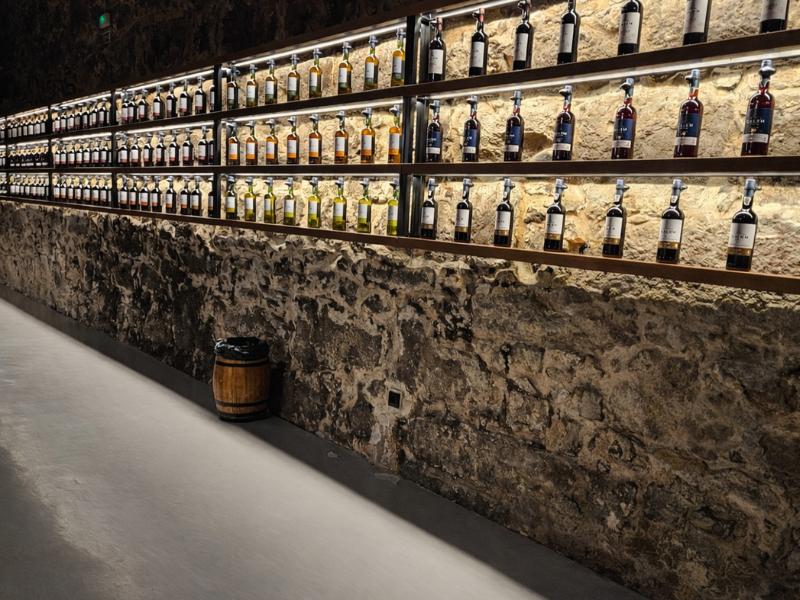
The standard format at a Gaia lodge is a guided walk through the aging cellars followed by a seated tasting, and that usually runs somewhere around an hour from the moment your group is called. Arrive ten or fifteen minutes early for check-in, because the tours leave on a timetable and a late arrival can cost you the slot you paid for.
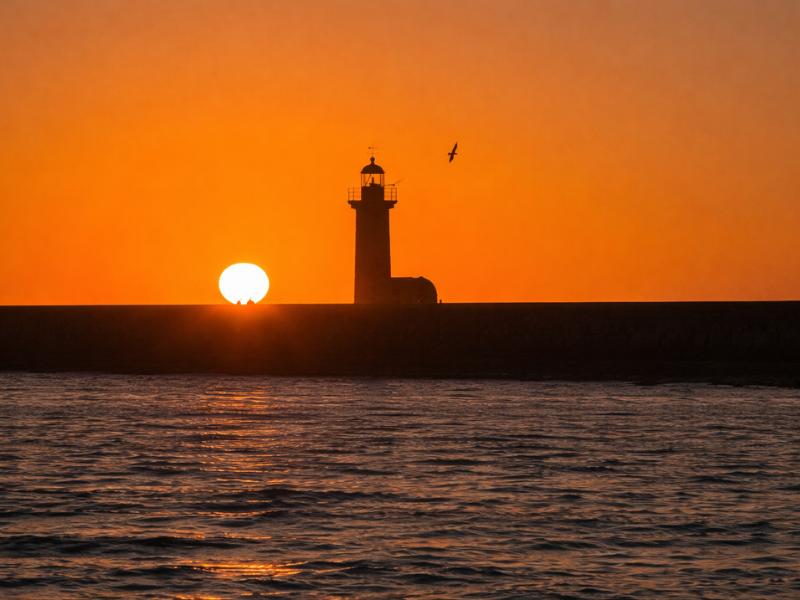
Where visitors misjudge things is the gap between houses. On paper the lodges are five minutes apart. In practice you finish a tasting, browse the shop, take photos on the quay, decide you want a coffee, and suddenly forty-five minutes have gone. Build that slack in deliberately instead of pretending it will not happen, and the day stays relaxed rather than turning into a march between appointments.
There is also a hard biological limit here. Port is fortified wine, so each tasting pour carries considerably more alcohol than a sip of table wine would. Three lodges with several pours each adds up fast. Our honest recommendation is two lodges for a first visit, three if you have a full free day and eat a proper lunch in the middle, and a firm no to four.
| Plan | Lodges | Rough total time | What it includes |
|---|---|---|---|
| Quick taste | 1 | About 1.5 hours | One cellar tour and tasting, a short walk on the quay |
| The standard afternoon | 2 | About 3 to 3.5 hours | Two tours, a coffee between them, waterfront time |
| The full day | 3 | About 5 to 6 hours | Three tours, a sit-down lunch, the bridge and the viewpoint |
| The completist mistake | 4 or more | 7 hours plus | Rushed slots, palate fatigue, blurred memories of house three onward |
What is the best order to walk the route in?
Start high and finish low. Cross on the upper deck, get your bearings at Jardim do Morro, drop to the waterfront by cable car or on foot, then work along Avenida de Diogo Leite from the bridge outward. Book your first cellar slot early in the day and keep the second loose.
The reason for going top-down is orientation. From the hilltop you can see the whole strip at once, count the house names painted on the roofs, and decide which entrances you actually want to walk to. Doing it in reverse means guessing at street level, missing lodges set back from the water, and climbing a hill at the end of a day that included several glasses of fortified wine.
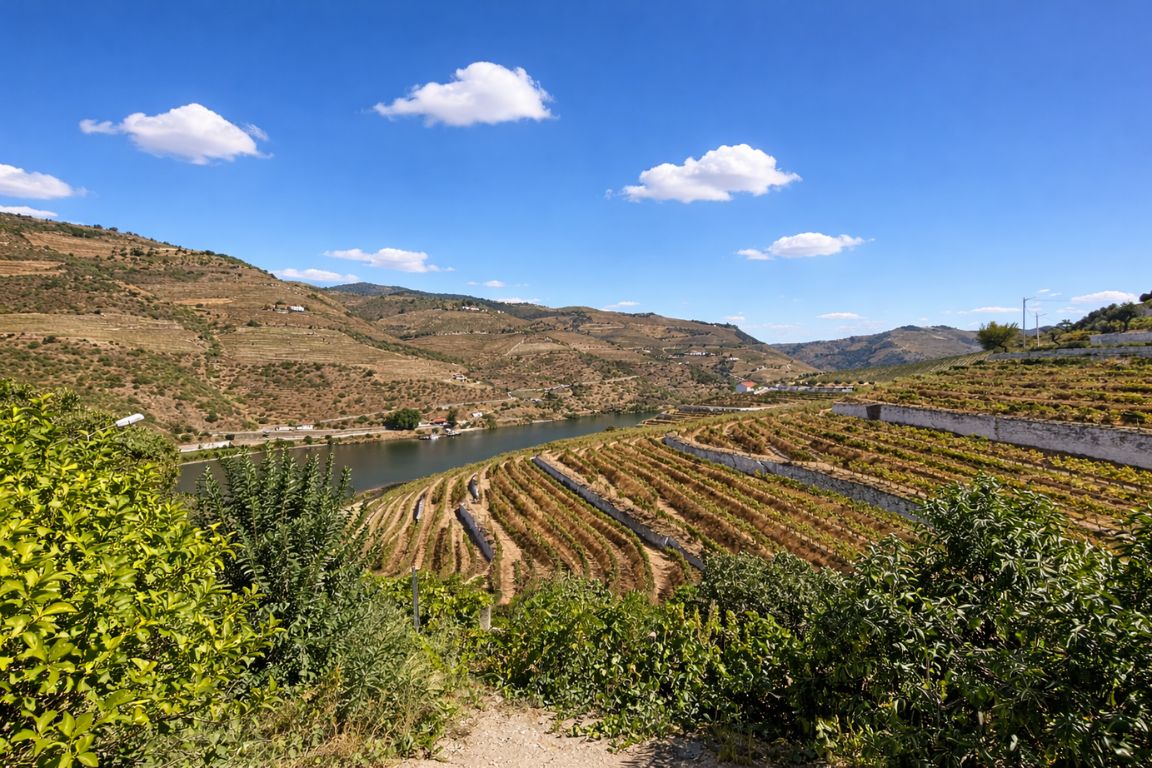
Here is the route step by step.
| Step | Where | Roughly how long | Note |
|---|---|---|---|
| 1 | Porto side, near the cathedral, onto the upper deck | 10 minutes | The approach from the Se side puts you at upper-deck height already |
| 2 | Cross the upper deck | 5 to 10 minutes | Stop halfway, this is the best view of both banks |
| 3 | Jardim do Morro viewpoint | 10 to 15 minutes | Identify the lodges you want by their roof signage |
| 4 | Descend by cable car or on foot | 5 to 20 minutes | The walking descent is steep and cobbled, the gondola is a ticket |
| 5 | Walk the avenue from the bridge outward | 15 minutes | Read the posted tour times at each entrance as you pass |
| 6 | First cellar tour and tasting | About 1 hour | Make this your booked slot, ideally before midday |
| 7 | Break on the quay | 20 to 30 minutes | Rabelo boats, coffee, the view back at Ribeira |
| 8 | Second cellar tour and tasting | About 1 hour | A house with a different style from the first is more interesting |
| 9 | Late lunch or a third lodge | 1 to 1.5 hours | Eat if you are three pours in, that is not a defeat |
| 10 | Return over the lower deck, or ride up for sunset | 10 to 30 minutes | The lower deck lands you straight back in Ribeira |
Two adjustments are worth knowing. If you are travelling with someone who cannot manage steep inclines, invert the route: cross on the lower deck at river level, do everything on the flat avenue, and use the cable car in the up direction only, taking the metro home from the top. And if you are arriving off a river cruise or a day trip that lands mid-afternoon, skip the hilltop opening entirely and go straight to whichever lodge you have a confirmed slot with, because afternoon availability is the scarce resource, not scenery.
Which lodges need advance booking and which take walk-ins?
The large, famous riverside houses publish fixed English-language tour times and those slots go first, especially from late morning onward in peak months. Smaller houses and the ones set back from the water are far more likely to fit you in. Reserving a slot costs nothing extra, so book at least your first stop.
There is a pattern here rather than a rulebook, and the pattern holds across seasons. A lodge with a big name on the roof, a large visitor centre and scheduled tours in several languages is running near capacity through the busy months. Those are the houses where turning up at two in the afternoon in September and asking for a table gets you a polite apology. The less famous the house, and the further it sits from the promenade, the better your odds of walking in.
Time of day matters more than most people expect. The first tours of the morning are the ones with space, because day-trip groups and cruise arrivals have not landed yet and casual visitors are still eating breakfast in Porto. If you refuse to book anything in advance, being at a cellar door when it opens is the single best move available to you.
Booking direct through a house's own listing costs nothing beyond the tour price, and it locks in a language and a time. Our recommendation for a self-guided day is to reserve the first lodge firmly, leave the second one unbooked, and decide on the ground once you have seen which entrances have queues.
| Type of lodge | Booking pattern | Walk-in odds |
|---|---|---|
| Large riverside house with a published timetable | Fixed slots in multiple languages, fills earliest | Poor in the afternoon, decent at opening |
| Mid-sized house a block off the water | Timed tours, more departures, less visible from the promenade | Reasonable outside weekends and holidays |
| Small or family-run lodge | Small groups, sometimes by appointment only | Unpredictable, worth asking at the door |
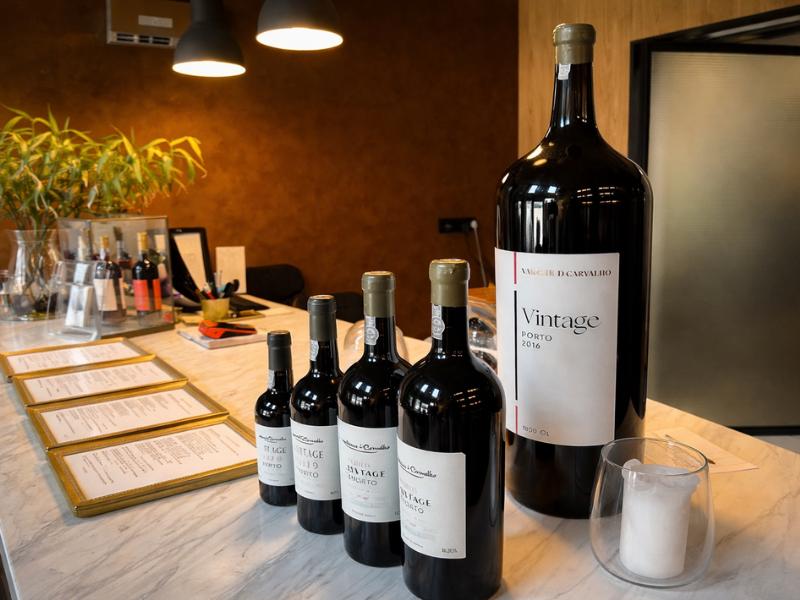
| Premium or vintage-focused tasting | Limited seats by design, treated as a reservation | Book ahead, do not rely on turning up |
Two things reliably squeeze availability across the whole district: weekends, and the September harvest window when the region is at its busiest. Days with several cruise ships in town also tighten things noticeably. None of that makes a self-guided visit impossible, it just moves the sensible plan earlier into the morning.
What can you see for free, and what has to be paid for?
The entire waterfront experience is free: the promenade, the moored rabelo boats, both bridge decks on foot, the Jardim do Morro viewpoint, and walking into most lodge courtyards and shops. What costs money is the cellar tour with tasting, any premium tasting flight, and the cable car ticket.
This is the part of the district visitors underestimate. You can spend two genuinely enjoyable hours in Gaia without buying anything except a coffee. The promenade is public, the boats are photographed from the quay for nothing, and the view of Porto's old town stacked up the opposite bank is the best free thing in either city. Both bridge decks are open to pedestrians at no charge.
Lodges themselves usually let you walk into the front of house area, look at the shop, and read the display material without buying a tour. What you cannot do for free is go into the aging cellars or taste anything. That is the paid product, and it is priced per person with the tasting included.
| Experience | Cost | Notes |
|---|---|---|
| Walking Avenida de Diogo Leite | Free | The full lodge frontage, end to end, in about fifteen minutes at a stroll |
| Rabelo boats on the quay | Free to view | Photographed from the promenade, no need to board anything |
| Both decks of the Dom Luis I Bridge | Free | Pedestrian access on the upper and lower deck |
| Jardim do Morro viewpoint | Free | Public park, busiest at sunset |
| Lodge shop and entrance hall | Usually free | Buying a bottle is optional, the cellars are not included |
| Cellar tour with tasting | Paid, per person | The core product at every historic house |
| Premium or aged tasting flight | Paid, higher | Older tawnies and vintage pours are priced separately |
| Cable car | Paid ticket | One-way and return options, not part of the metro fare |
When should you go, by hour and by day?
Mid-morning is the sweet spot. Cellars are quiet, walk-in odds peak, and the light on the river is good. From late morning until early afternoon the district is at its fullest as day-trip groups arrive. Late afternoon is beautiful and fully booked. Most cellars close before dinner.
The rhythm of the day here is consistent. Lodges open in the morning to a trickle, fill through the middle of the day, and run their busiest tours in the afternoon. If you want the version of Gaia where a guide has time to answer your questions and the tasting room is not shoulder to shoulder, be there early.
Season shifts the picture too. Opening hours shorten in winter and several houses run fewer daily departures, so a January visit needs a check of current times rather than an assumption. Summer brings both heat on the exposed riverfront and the largest crowds. September, harvest month, is the most atmospheric time in the wider region and correspondingly the hardest month to walk into a lodge unannounced.
| Time slot | What it is like | Verdict |
|---|---|---|
| Opening until about 11:30 | Quiet cellars, small groups, unhurried guides | Best window for a self-guided visit |
| 11:30 to 14:00 | Day trips and cruise groups arrive, tours run full | Book ahead or expect to wait |
| 14:00 to 16:00 | Steady, second-best odds on a weekday | Workable without a reservation midweek |
| 16:00 to closing | Golden light on the river, tours largely sold out | Great for photos, poor for walk-ins |
| After the cellars close | Bars and restaurants open, viewpoint crowded at sunset | Dinner and views, no tastings |
On days of the week: weekdays beat weekends by a clear margin for both availability and calm. Monday through Thursday is where a no-booking, walk-and-see approach still works reliably.
What should you wear and carry?
Shoes with grip, because the lanes are cobbled and steep. A light layer even in August, because aging cellars are deliberately kept cool and damp and the temperature drop when you walk in is sharp. Water, a real meal before your first tasting, and a card, though small places may prefer cash.
The cobblestones are the thing people mention afterward. Portuguese calcada is beautiful, uneven, and slick when wet, and the lanes behind the avenue climb hard. Smooth-soled shoes and this district do not get along. Anything with a bit of tread is fine, and this is not a place where anyone dresses up.
The temperature swing surprises summer visitors. A port lodge cellar is kept cool and humid year round because that is what slow barrel aging needs, so stepping out of a thirty-degree afternoon into a stone cellar is a genuine shock. A thin jacket or long sleeves in a bag solves it.
The other half of preparation is your stomach. Port pours are small but strong, and several tastings across two houses on an empty stomach is how a pleasant afternoon goes sideways. Eat properly beforehand, drink water between houses, and remember that spitting is entirely normal at a tasting and no guide will think less of you for it. If you drove into Gaia, you are not driving out after this.
| Bring | Why |
|---|---|
| Shoes with grip | Cobbles, staircases and steep lanes, slippery in rain |
| A light layer | Cellars stay cool and damp in every season |
| Water | Fortified wine plus a hot riverfront dehydrates fast |
| A card, plus a little cash | Cards are widely taken, smaller places may not |
| Sun protection | The promenade is fully exposed with almost no shade |
| A booked first slot | The single thing that keeps a self-guided day from unravelling |
Is the self-guided walk better than a guided cellar tour?
Self-guided wins on freedom and on cost if you only want one or two houses. A guided multi-cellar tour wins on everything else once you want three: entries are pre-arranged, the walking route is handled, and a small-group tour of three cellars with seven tastings runs about two to three hours for roughly $60 to $63 per person.
We are not going to pretend the DIY route is always the smarter choice. It is genuinely the better option when you want to move at your own speed, linger in a shop, sit on the quay for an hour, or visit exactly one specific house because you have been drinking its tawny for years. It costs you nothing but the individual tour prices, and the planning is not hard.
The maths changes at three houses. Paying full price at three separate lodges, coordinating three separate timetables, and hoping the second and third have space is more expensive and more fragile than a bundled tour. The guided options in Gaia cover three historic cellars with seven tastings in a single block, with entries arranged in advance, and they are priced around sixty dollars per person. Small-group versions cap the group near twelve people, which matters in a cellar where a guide talking to forty people is talking to nobody. The ones we track are rated 4.9 out of 5 by past travellers.
There is a middle path that a lot of visitors land on and that we think is the most sensible use of a day: take a guided multi-cellar tour in the morning when you know nothing, then walk the district yourself in the afternoon with the boats, the viewpoint and the promenade, having already learned enough to know what you are looking at.
| Factor | Self-guided walk | Guided multi-cellar tour |
|---|---|---|
| Cost | Pay each lodge separately, fine for one or two | Around $60 to $63 for three cellars and seven tastings |
| Houses covered | However many you can book | Three historic cellars in one block |
| Planning effort | You handle times, routes and reservations | Entries and route arranged for you |
| Pace | Entirely yours, stop whenever | Fixed, roughly two to three hours |
| Group size | Just you | Small-group options capped near 12 |
| Best for | One or two houses, photography, a slow day | A first visit, three houses, no planning time |
Either way, the district rewards walking it. Gaia is small, the history is stacked visibly on one hillside, and the river between the two cities does more explaining than any signboard.
The full range of Porto wine tours is worth a look before booking any single one.