What's the Difference Between Port Wine and Regular Wine?
One process difference explains almost everything: when the spirit goes in, and what that leaves behind in the glass.
Booking Choice: Compare unfortified Douro wines with Port in one Poças tasting; choose a valley day if you also want to see where the grapes grow. Explore Poças: Douro Wines Beside Port
Port is a fortified wine. Partway through fermentation, the producer adds grape spirit, which stops the yeast before it has eaten all the sugar. That single intervention leaves natural sweetness in the wine and pushes the alcohol to roughly 19 to 22 percent by volume, against roughly 12 to 14 percent for standard table wine. The second difference is legal: only wine grown in the demarcated Douro region and made under the rules of the IVDP, the regulatory body for Douro and Port wines, may be sold as Port.
Port is fortified wine, regular wine is not. Grape spirit added during fermentation kills the yeast early, so unfermented grape sugar remains and the alcohol rises to about 19 to 22 percent, versus about 12 to 14 percent for table wine. Only wine from the demarcated Douro region, made and aged under IVDP rules, can legally be called Port.
For an in-person introduction: Explore Poças: Douro Wines Beside Port
What does fortification actually do?
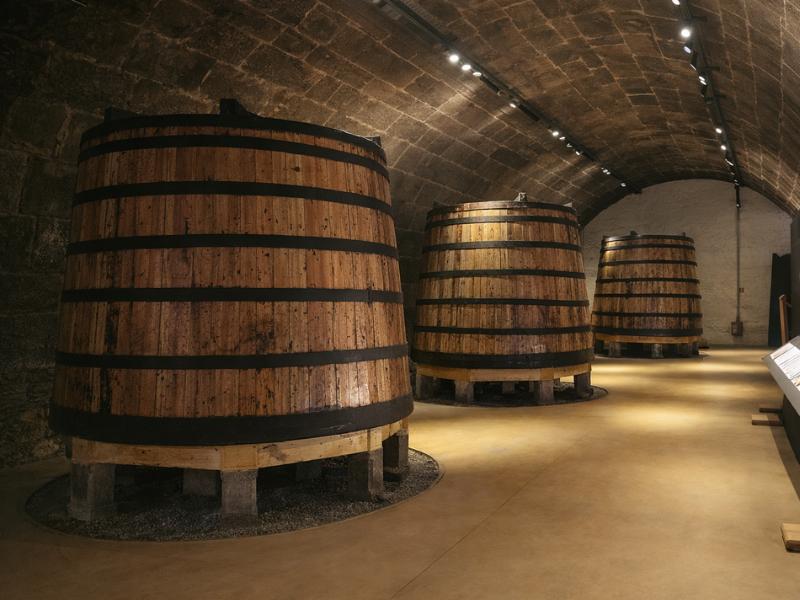
It cuts the process short on purpose. In any wine, fermentation is yeast converting grape sugar into alcohol. Leave it alone and the yeast keeps going until the sugar is essentially used up, which is how you get a dry table wine at 13 percent. Port producers do not leave it alone. Once roughly half the sugar has converted, high-strength grape spirit goes into the vat, the alcohol level jumps past what the yeast can survive, and fermentation stops.
Two things follow. The sugar that never fermented stays in the wine, which is why almost every port you taste is sweet. And the added spirit means the finished wine is far stronger than the fermentation alone could have made it. Everything else about port, the small serving glass, the ability to keep an opened bottle, the way it works after dinner, follows from those two facts.
The spirit itself is not brandy in the drinks-cabinet sense. It is a neutral grape spirit at high strength, chosen precisely because it adds alcohol without adding flavour of its own, and it makes up a meaningful share of the finished volume. Timing the addition is the winemaker's main lever: add it earlier and the wine ends up sweeter, later and it ends up drier.
The fortification also stabilizes the wine, which is the historical reason the technique caught on: fortified wine survived long sea voyages that ordinary wine did not, and the trade between the Douro and northern Europe was built on exactly that durability.
Why can only the Douro call it Port?
The name is a protected origin, not a style description. The Douro was formally demarcated in 1756, making it one of the oldest protected wine regions anywhere, and today the IVDP sets and enforces the rules on where the grapes may be grown, how the wine is made, how long each style must age and how it is labelled. A sweet fortified red made in another country using the same method is a fortified wine, but it is not Port.
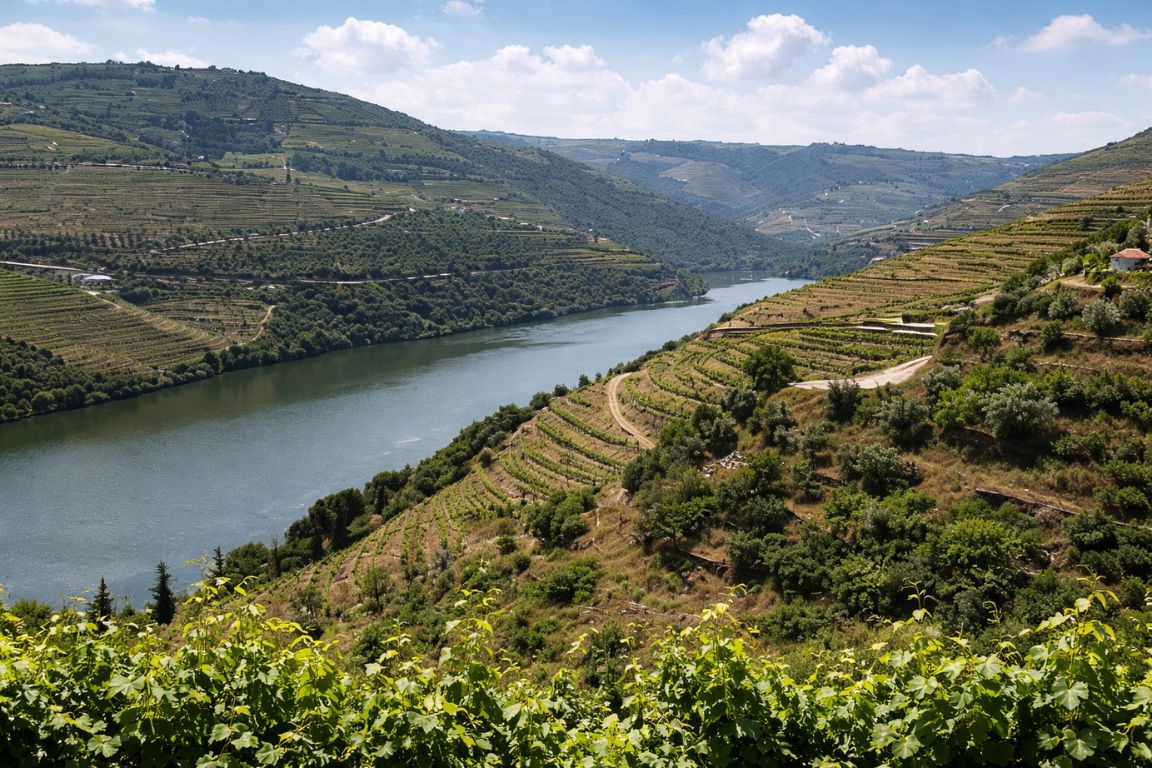
That is why the region and the drink are inseparable on the ground. The grapes are grown on terraced schist slopes upriver, the wine is traditionally brought down to Vila Nova de Gaia to age in cellars near the cooler river air, and the two sides of the operation sit about two hours apart. You can see both in the same trip, which is the reason most wine visitors to Porto do exactly that.
Does the Douro make regular wine too?
Yes, and it is one of the most interesting things about the region. The same vineyards, and largely the same grape varieties such as Touriga Nacional, Touriga Franca and Tinta Roriz, also produce unfortified Douro table wines: dry reds with real structure, plus whites. No spirit is added, fermentation runs to completion, and the result sits in the normal 13 to 14 percent range.
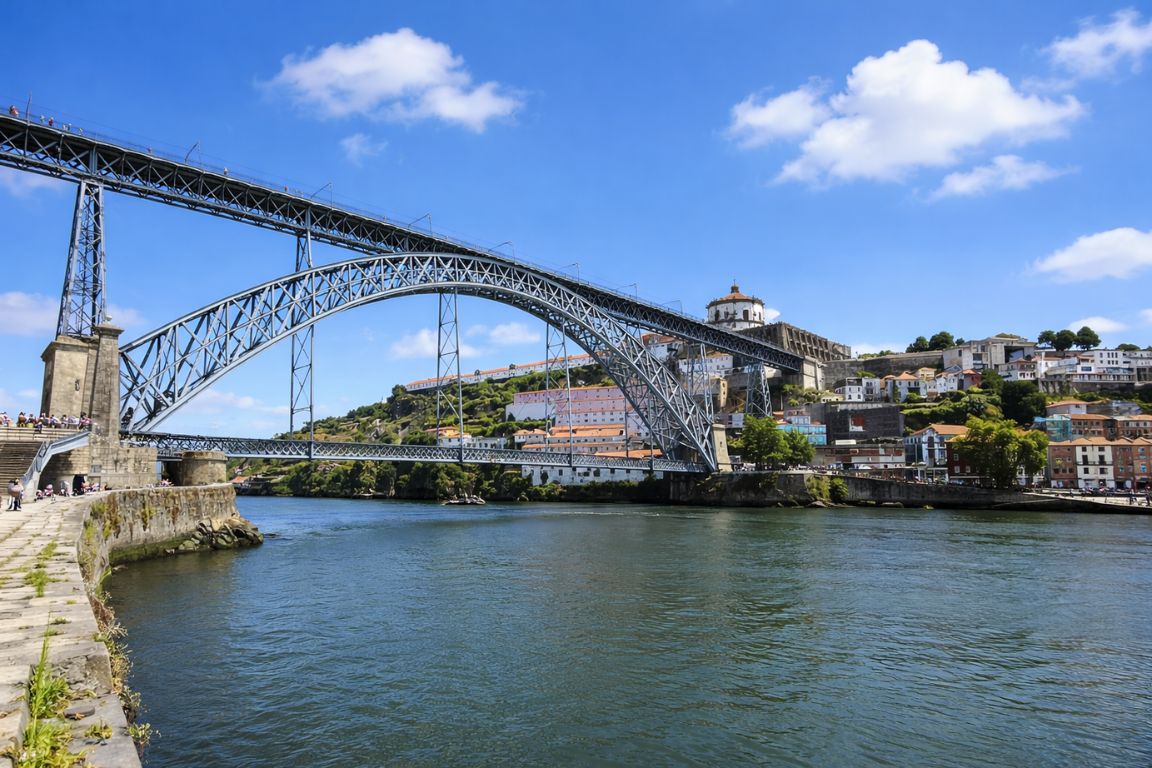
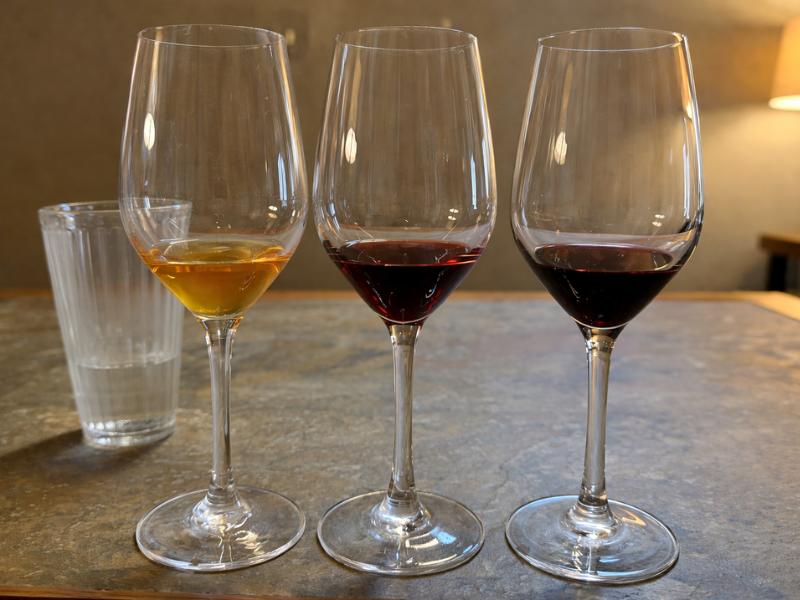
Tasting them side by side is the fastest way to understand the difference. A walking tour through the city pouring nine tastings across both port and Douro table wine costs around $59 and makes the point better than any explanation: same hillsides, same grapes, completely different wine, because of one decision made during fermentation.
How does the difference change the way you drink it?
Serving size first. Port goes into a small glass because the strength is roughly half again what table wine carries. Pour it like a Bordeaux and you will feel it quickly.
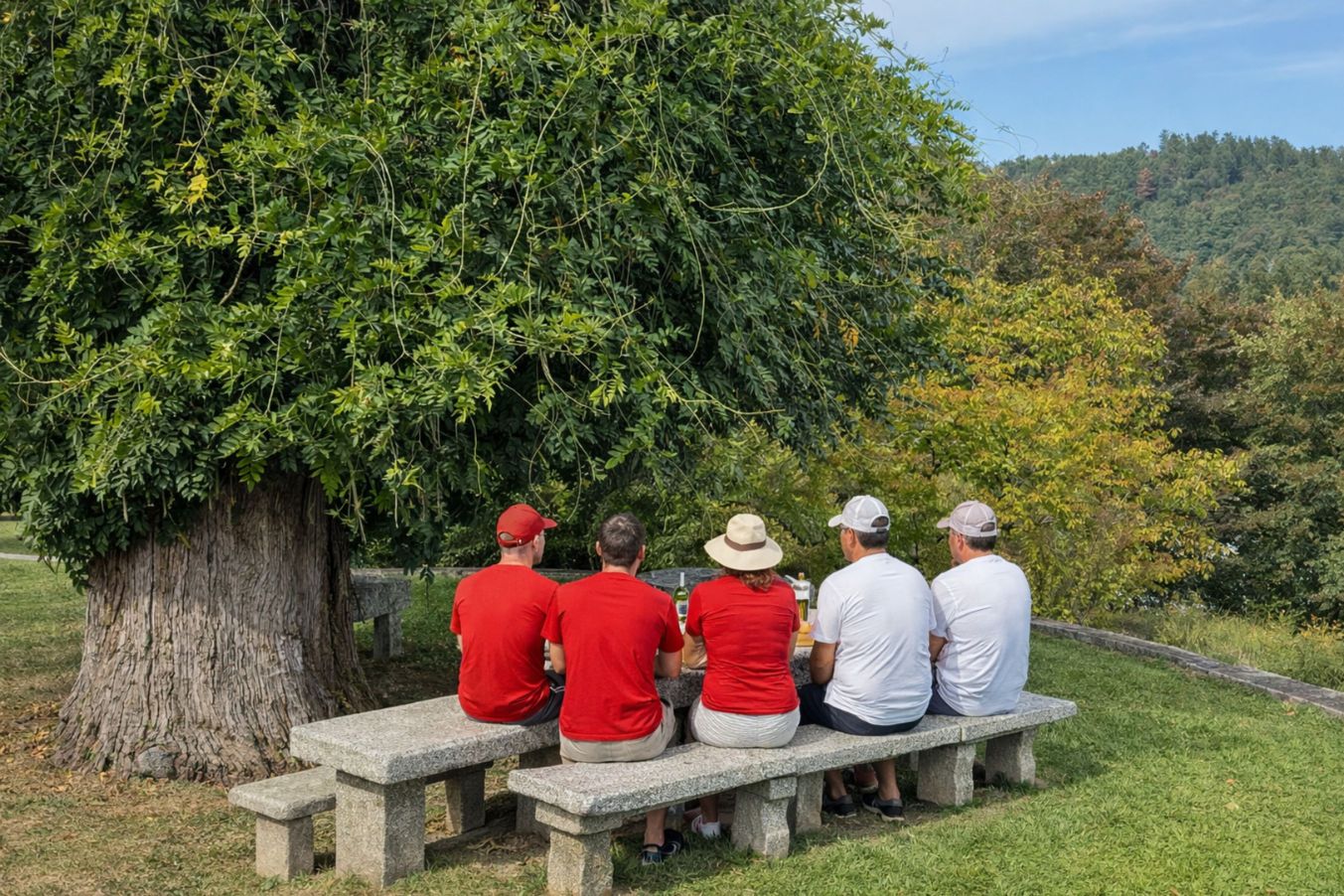
Then temperature. Ruby styles and vintage port show well at cool room temperature. Tawny is better lightly chilled, and white port is served properly cold, often with tonic and ice in Porto itself during summer.
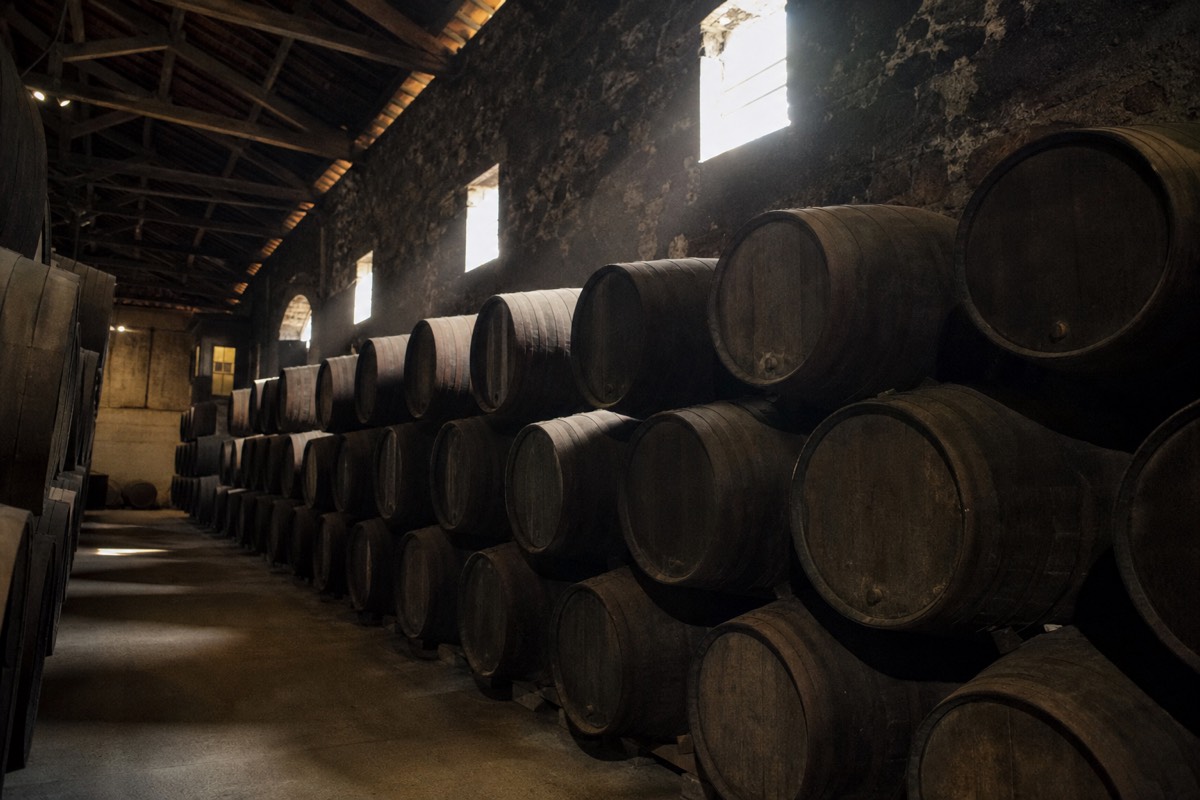
And the opened bottle behaves differently. A tawny that has already spent years in barrel is used to oxygen and will hold up for weeks after opening, kept somewhere cool. A vintage port, which does its aging in bottle, should be finished within a couple of days once poured. Regular table wine sits between the two and is generally done after two or three days.
Food pairing splits along the same line. Table wine is built to sit alongside a main course, where its acidity and dryness cut through the food. Port is built for the end of the meal, or for things sweet and salty enough to stand up to it: blue cheese, chocolate, nuts, dried fruit. Trying to drink a ruby with grilled fish makes the point faster than any explanation of residual sugar.
If you take one thing from the comparison: port is not sweet red wine. It is wine that was interrupted, and everything different about it comes from that.
The full range of Porto wine tours is worth a look before booking any single one.