Port Wine and Food Pairing Guide
Cheese, not pudding, is what people actually want to eat with Port. Here is the full map: what works with each style, why it works, and what quietly ruins the bottle.
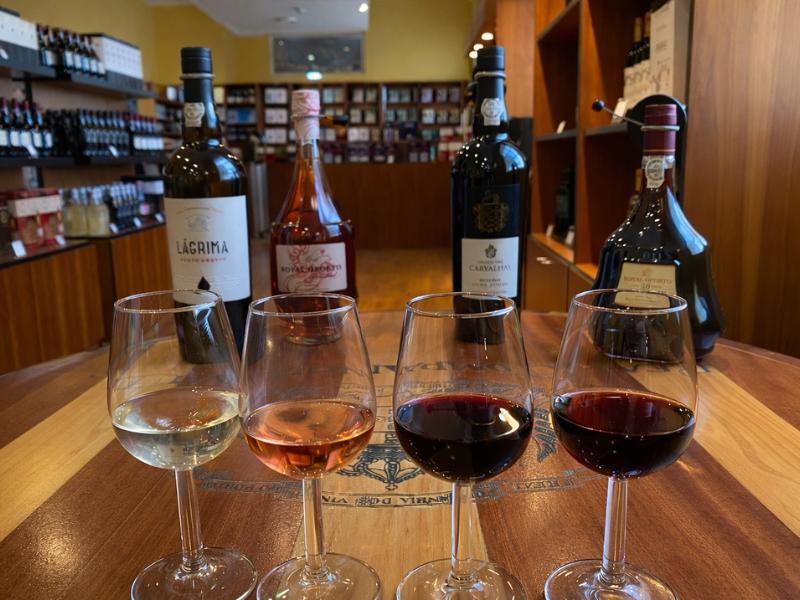
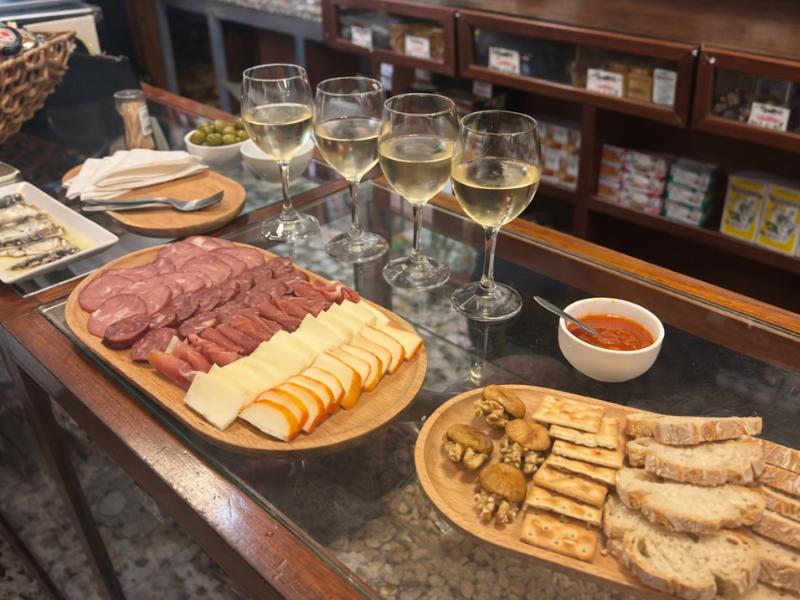
Booking Choice: For an included pairing flight, Graham’s combines Port with chocolate, cheese and pastel de nata. A Porto food walk offers a broader eating experience; its stops vary by day. Explore Graham's Port And Food Pairings
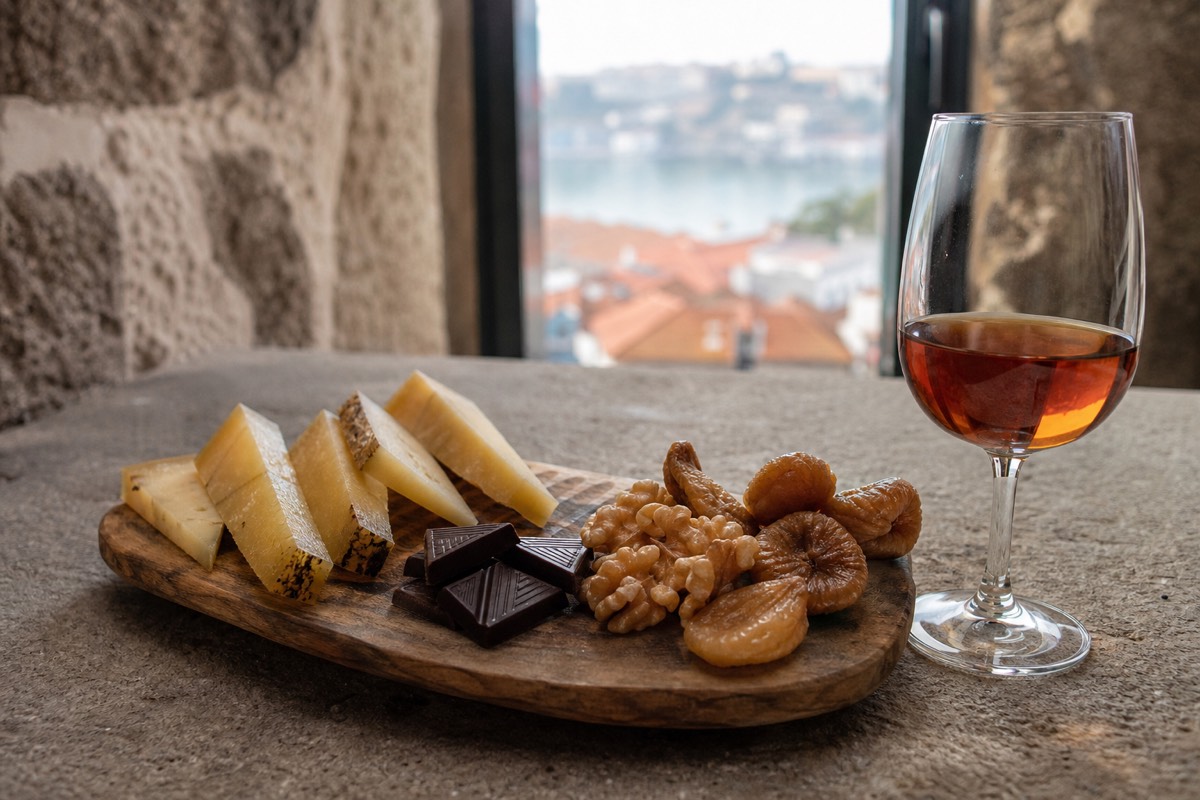
Cheese beats pudding, and it is not close. People searching for what to eat with Port ask about cheese around half again as often as they ask about dessert, which is a small surprise given that most bottles get opened after the plates are cleared. It also happens to be excellent instinct. The single most reliable Port pairing on the planet is a wedge of blue cheese sitting next to a glass of vintage, and it has held that position for the better part of two hundred years.
At A Glance: Match the Port style to the food’s sweetness, salt and intensity. A food-pairing ticket should specify the food rather than merely offer premium wine. Explore Graham's Port And Food Pairings
The rest of the map is less obvious. Ruby and tawny want completely different plates, white Port belongs at the start of the meal rather than the end, and a good half of the dessert pairings people reach for by default are actively working against the wine. There is a reason for every one of those outcomes, and once you know the reason you can improvise instead of memorising lists.
So this guide runs in two directions: what to put next to each style, and what happens chemically when you get it right or wrong.
Which Port style goes with what
Our team's working matrix, built on the classic pairings the trade has used for two centuries. A filled circle is a textbook match, a pale one works without being remarkable, and an empty circle means pick a different bottle.
What is the one rule that makes Port pairing work?
The wine has to be at least as sweet as the plate. Anything sweeter than the Port strips the fruit out and leaves alcohol and heat behind. After that, match intensity, and use salt and fat as your two best tools, since both make a sweet fortified wine taste fresher rather than heavier.
Sweetness is the rule that breaks pairings fastest. Taste a glass of ten year tawny on its own and it reads as rich and nutty with plenty of sugar. Take a mouthful of a very sweet meringue dessert first and the same wine turns thin, sour and hot, because your palate has recalibrated upward and the wine no longer clears the bar. This is why the fondant-and-Port combination that sounds so appealing on a menu so often disappoints.
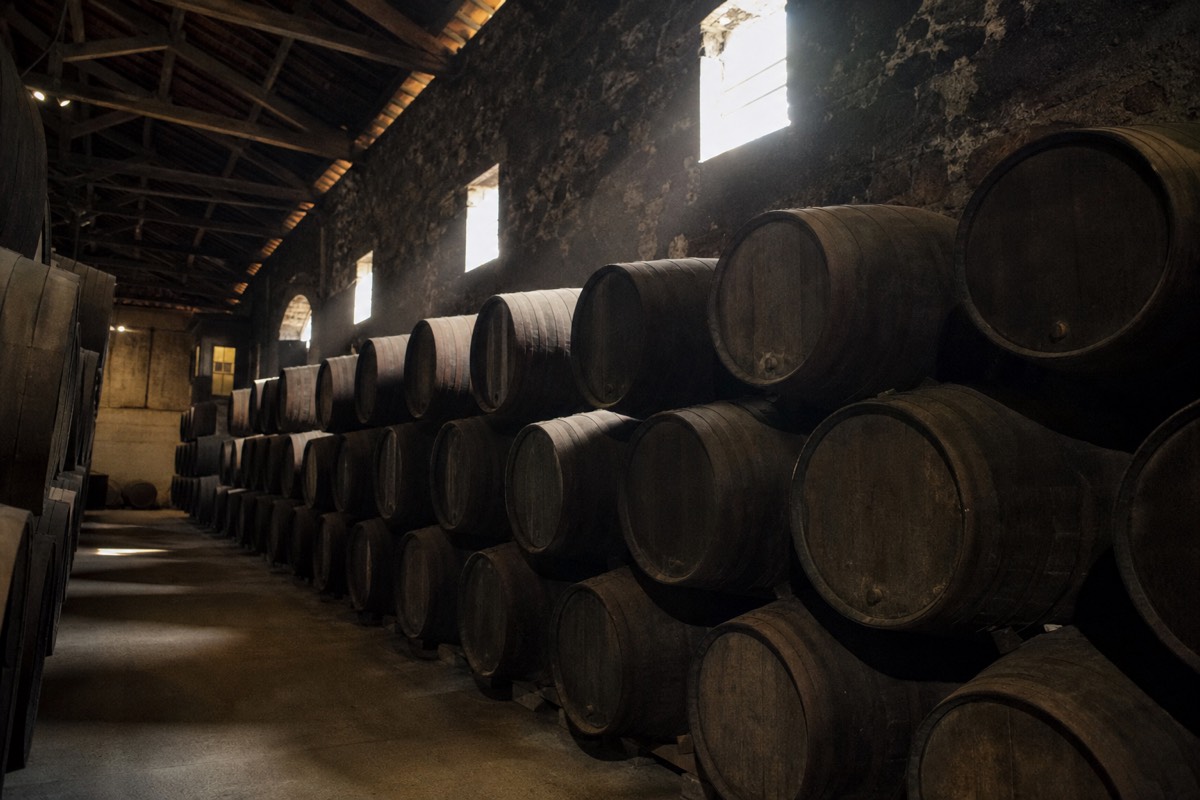
Salt is the opposite lever. Salt suppresses the perception of bitterness and pushes sweet and savoury notes forward, which is precisely why salted almonds and salty aged cheeses make Port taste better than it does alone. Fat works in a similar direction against tannin, softening the grip of a young vintage into something plush.
Everything past that point assumes you can already tell the main styles of port apart, because the plate follows the wine rather than the other way round. Ruby and tawny are effectively two different drinks wearing the same name.
Intensity is the third dimension. A forty year old tawny has decades of concentration behind it and will bury a delicate dessert. A young ruby has bright fruit and modest complexity and will be buried by an aged Roquefort. Put big with big, and lighter with lighter.
| Style | Profile in the glass | What it wants on the plate | Textbook partner |
|---|---|---|---|
| Dry white Port | Citrus, almond, low sweetness, brisk | Salt, brine, simple savoury bites | Salted almonds and olives, before dinner |
| Sweet white Port | Honey, orchard fruit, soft | Light custard and fresh fruit | Fresh melon or a plain custard tart |
| Ruby and reserve ruby | Bright dark berry, gentle tannin | Cocoa bitterness and red fruit | Dark chocolate at around 70 percent |
| LBV | Same fruit with more grip and structure | Firm cheese, chocolate desserts, game | Chocolate tart, or blue cheese on a budget |
| 10-year tawny | Amber, nut, caramel, dried fig | Nuts, caramel, hard cheese, egg custards | Salted almonds and aged Gouda |
| 20-year and older tawny | Toffee, dried fruit, very long finish | Intense, concentrated, nutty | Aged Parmigiano and walnuts |
| Vintage | Dense fruit, real tannin, power | Salt, fat and pungency to push against | Stilton or another proper blue |
Which cheeses go with which Port?
Blues go with vintage and LBV. Hard, salty, aged cheeses go with tawny. Washed-rind and fresh goat cheeses are the two families that fight almost every red Port, and if you want to serve those, pour a chilled dry white Port instead and the whole board suddenly works.
The board most people build has three cheeses on it and one bottle open, which forces a compromise. If you can pour two styles, an LBV or vintage alongside a ten year tawny will cover almost anything you can buy at a cheese counter.
Portugal has its own cheeses worth putting on that board, and visitors consistently underrate them. Serra da Estrela is a soft sheep's milk cheese set with thistle rather than animal rennet, rich enough to spoon out of the rind at room temperature. Azeitão works on similar lines and is equally runny. São Jorge, from the Azores, is the hard, tangy cow's milk cheese that behaves most like an aged Cheddar and takes tawny beautifully.
| Cheese | Type | Best Port style | Why it works |
|---|---|---|---|
| Stilton | Blue, cow | Vintage, or LBV | The reference pairing: salt against sugar, fat against tannin |
| Roquefort | Blue, sheep | Vintage | Saltier and sharper, so it needs the biggest wine you have |
| Gorgonzola piccante | Blue, cow | LBV or vintage | Creamier than Stilton, pungent enough to hold its ground |
| Aged Cheddar | Hard, cow | 10 or 20-year tawny | Nutty and salty, lands in the same register as the wine |
| Parmigiano Reggiano | Hard, cow | 20-year tawny | Crystalline savouriness against toffee and dried fig |
| Aged Gouda | Hard, cow | 10-year tawny | Butterscotch notes in both, an easy and reliable match |
| Manchego | Semi-hard, sheep | Tawny, or dry white | Lanolin richness that a nutty tawny picks up |
| Sao Jorge | Hard, cow, Azores | 10-year tawny | Tangy and firm, the Portuguese answer to aged Cheddar |
| Serra da Estrela | Soft, sheep | Dry white, or a young tawny | Buttery and mild, so a big red Port would flatten it |
| Azeitao | Soft, sheep | Dry white Port | Runny and delicate, best with the lightest style |
| Fresh goat cheese | Fresh, lactic | Dry white Port only | Acidity clashes badly with red Port sweetness |
| Washed rind, such as Epoisses | Soft, pungent rind | None, honestly | The rind funk and Port sugar amplify each other unpleasantly |
Serve the cheese at room temperature. Forty five minutes to an hour out of the fridge makes a bigger difference to the pairing than swapping bottles, because cold cheese is muted cheese and a muted partner leaves the wine looking sweeter than it is.
Why is vintage Port with blue cheese the textbook match?
Four things happen at once. Salt in the cheese suppresses bitterness and makes the wine taste fruitier. The wine's sugar balances the pungency. Its tannin cuts through the fat. And both partners are intense enough that neither disappears. Stilton is the famous version, but any well-made blue does the same work.
Take the pieces one at a time. Blue cheese is salty, and salt is the single most powerful modifier in food and wine matching: it reduces perceived bitterness and astringency, which in a young vintage Port means the tannin stops feeling like grip and starts feeling like structure. That alone transforms a wine that can seem aggressive on its own.
Then the sugar. A proper blue is pungent in a way that overwhelms most dry wines, and the residual sweetness of Port meets it head on instead of being erased by it. Meanwhile the fat coats the palate and the tannin scrubs it clean, which is the same mechanism that makes tannic red wine work with steak, just running at a higher intensity on both sides.
The last part is cultural rather than chemical. The pairing became canonical in Britain, which was the dominant export market for Port for centuries, and Stilton was the great British blue. That is why it is the version everyone names. Roquefort, Gorgonzola piccante, Cabrales or a good local blue will all do the same job, and some of them push harder than Stilton does.
If you do not want to open a vintage for a cheese board, and most people reasonably do not, an LBV is the practical substitute. It carries the same single-harvest fruit and enough structure to stand up to a blue, at roughly a fifth of the price and without any decanting.
Which desserts actually work with Port?
Chocolate, nuts and caramel, in that order. Dark chocolate around 70 percent cocoa with ruby or LBV, almond and caramel desserts with tawny, and Portuguese egg custards with a ten year tawny. Anything built on high acidity or heavy sugar, such as lemon tart or meringue, will beat the wine.
Chocolate is the pairing people reach for first and they are right to. Cocoa carries a bitterness that ruby Port's fruit answers directly, and the two share a dark berry register that makes the match feel obvious in the glass. The variable that decides success is cocoa percentage. Around 70 percent is the sweet spot: milk chocolate is usually sweeter than the wine and flattens it, while anything above 85 percent turns bitter and starts fighting the tannin.
Tawny takes a different route. Its nut, toffee and dried-fruit character means it belongs with almond cakes, caramel, toasted pastry and egg custards rather than with chocolate. This is where Portuguese dessert culture lines up neatly with the local wine, which is not an accident given how long the two have shared a table.
| Dessert | Best Port style | Why it works |
|---|---|---|
| Dark chocolate, around 70 percent | Ruby or reserve ruby | Cocoa bitterness meets bright berry fruit |
| Flourless chocolate cake | LBV or vintage | Density on both sides, and tannin cuts the richness |
| Chocolate and orange | Ruby, or a sweet white | Citrus lifts the fruit instead of fighting it |
| Pastel de nata | 10-year tawny | Caramelised custard and cinnamon against nut and toffee |
| Toucinho do ceu, almond cake | 10 or 20-year tawny | Almond in the cake, almond in the wine |
| Creme brulee or flan | 10-year tawny | Burnt sugar is the exact note tawny is built around |
| Sticky toffee or date pudding | 20-year tawny | Dried fruit and caramel, matched intensity |
| Walnut or pecan tart | Tawny, any age | The most direct flavour bridge in the category |
| Dried figs, apricots, prunes | Tawny or colheita | The wine already tastes of these |
| Fresh melon or peach | Sweet white Port | Light on light, refreshing rather than heavy |
| Lemon tart, key lime, meringue | None of them | Acidity and sugar both overrun the wine |
| Ice cream, served cold | Poor with any style | Cold numbs the palate and mutes the wine |
Pudim Abade de Priscos, the rich Braga custard pudding, is a special case worth mentioning because the recipe itself contains Port. Serving a glass of tawny alongside it is about as close to a closed loop as dessert pairing gets.
Can Port start a meal instead of ending it?
Yes, and in Porto it usually does. Porto Tonico, white Port poured over ice and topped with tonic water, is the city's standard summer aperitif: light, dry, refreshing and around a third of the strength of a straight pour. It is also the easiest possible introduction for someone who thinks they dislike Port.
The drink is genuinely modern, not a tourist invention, and you will see it on terrace tables across the city from May onward. The logic is sound: white Port has the citrus and almond notes that tonic water's quinine bitterness picks up, the ice keeps it cold, and the dilution turns a fortified wine into something you can drink at four in the afternoon in thirty degree heat.
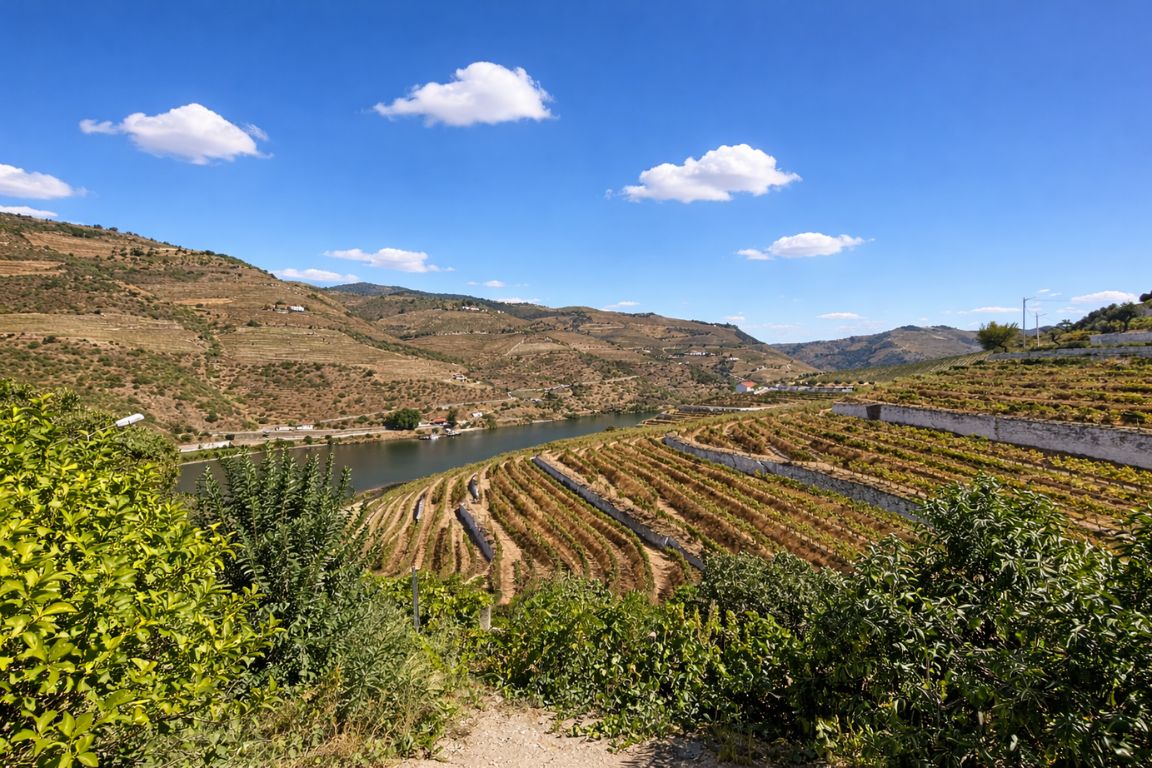
Build it in a tumbler or a highball packed with ice, because ice that melts slowly dilutes slowly. One part white Port to two parts tonic is the standard ratio, and moving to one to three makes a longer, lighter drink without breaking anything.
| Build | Ratio | Garnish | Eat alongside |
|---|---|---|---|
| Classic Porto Tonico | 1 white Port to 2 tonic | Lemon peel | Salted almonds, olives |
| Long Porto Tonico | 1 to 3 | Mint sprig and lemon | Crisps, cured ham |
| Orange and mint version | 1 to 2 | Orange wheel, mint | Fresh cheese, bread |
| Dry white Port, straight | Neat, 8 to 10 C | None | Almonds, olives, anchovy toast |
| Chilled tawny over ice | Neat over ice | Orange peel | Hard cheese, nuts |
The last row surprises people. A ten year tawny served cold over a single large ice cube is a perfectly legitimate aperitif, and several houses actively encourage it. Purists twitch. The wine holds up fine.
What savoury food works with Port?
Salted nuts, cured meat, liver pate and rich game are the four savoury families that genuinely work. Tawny handles most of them because its nutty, dried-fruit profile sits close to the food. Dry white Port covers everything brinier and lighter. Sweet red Port through a whole main course is a stretch nobody needs to attempt.
Salted almonds and walnuts belong on any table where tawny is being poured. It is the most direct pairing in the entire category, because the wine has spent a decade in barrel developing the exact flavours the nuts carry, and the salt does its usual work of making the wine taste fresher.
Pate and liver parfait are the other reliable savoury match, and the reason is the same one that makes foie gras work with sweet wine generally: fat and sweetness balance one another, and a small pour of tawny or a sweeter style cuts straight through the richness. Serve it as a starter with a 40 ml pour, not a full glass.
| Dish | Best Port style | Why |
|---|---|---|
| Salted almonds, walnuts, hazelnuts | 10 or 20-year tawny | Identical flavour family, and salt lifts the wine |
| Liver pate or parfait | Tawny, or a sweeter red style | Sweetness balances fat, the classic rich-starter logic |
| Dry-cured ham, presunto | Dry white Port | Salt and brine against citrus and almond |
| Cured sausage and charcuterie | Tawny, or a drier house style | Fat and spice need something with weight behind it |
| Roast duck, venison, game birds | LBV or vintage | Dark fruit and tannin against gamey depth |
| Mushroom dishes | Tawny | Both sides are earthy and savoury rather than sweet |
| Olives, anchovy toast, brined snacks | Dry white Port | The standard Portuguese aperitif combination |
| Aged beef | Vintage, in a small pour | Tannin and fat, though a dry red usually does it better |
| Anything with chilli heat | None | Alcohol amplifies capsaicin and the sugar makes it worse |
One more use worth mentioning: Port in the pan. A splash of ruby reduced into a sauce for duck, venison or figs is standard practice in Portuguese kitchens, and cheap ruby is exactly the right bottle for it. Never cook with the twenty year tawny. The nuance you paid for evaporates within a minute of hitting heat.
Which pairings fail, and why?
Most failures come from one of three causes: the food is sweeter than the wine, the food is much more acidic than the wine, or the food is cold enough to numb the palate. Milk chocolate, lemon desserts and ice cream between them account for the majority of disappointing Port pairings.
Knowing the cause matters more than memorising the list, because it lets you predict outcomes for food nobody has written about. Anything you can describe as sweeter, sharper or colder than the wine is a problem waiting to happen.
| Pairing | What goes wrong | Do this instead |
|---|---|---|
| Milk chocolate with ruby | The chocolate is sweeter, so the wine turns thin and hot | Move to 70 percent dark, or pour a sweeter style |
| Lemon tart with tawny | Acidity overruns the wine and leaves a metallic edge | Serve the tart with coffee and the tawny afterwards |
| Ice cream with vintage | Cold numbs the palate and mutes an expensive bottle | Pour the vintage with cheese, before dessert |
| Fresh goat cheese with red Port | Lactic acidity clashes with the sweetness | Chilled dry white Port handles it easily |
| Washed-rind cheese with any Port | Rind funk and sugar amplify one another | Keep those cheeses for beer or a dry white wine |
| Meringue or pavlova with LBV | Sugar overload flattens the fruit entirely | Sweet white Port, or nothing at all |
| Spicy food with any style | Alcohol intensifies the heat and the sugar compounds it | Beer, or an off-dry white table wine |
| Vinaigrette salads with Port | Vinegar and fortified sweetness cancel each other out | Wait for the cheese course |
| Smoked salmon with red Port | Smoke and sweet red fruit pull in opposite directions | Dry white Port, chilled hard |
How do you build a Port pairing board at home?
Three cheeses, one blue and one hard and one soft, plus salted almonds, dark chocolate, dried figs and quince paste. Open two bottles, an LBV and a ten year tawny, and pour 70 ml of each per person. That covers every item on the board and costs less than a restaurant dessert course.
Quantities matter more than variety. A board with eight cheeses and one bottle is a worse experience than one with three cheeses and two contrasting Ports, because the point is comparison and eight variables is too many to hold in your head.
| Component | Per person | Notes |
|---|---|---|
| Blue cheese | 30 to 40 g | The centrepiece, and the reason the LBV is open |
| Hard aged cheese | 30 to 40 g | Cheddar, Gouda, Parmigiano or Sao Jorge, for the tawny |
| Soft sheep cheese | 25 to 30 g | Serra da Estrela or Azeitao if you can find them |
| Salted almonds or walnuts | 30 g | The tawny's best friend on the whole board |
| Dark chocolate, 70 percent | 20 g | Two squares each is plenty |
| Dried figs or apricots | 2 or 3 pieces | Bridges the gap between cheese and dessert |
| Marmelada, quince paste | A slice | The Portuguese partner for hard cheese |
| Plain crackers or bread | A small handful | Unsalted and unflavoured, so it stays out of the way |
| LBV | 70 ml | Serve at 15 to 16 C |
| 10-year tawny | 70 ml | Serve at 12 to 14 C, noticeably cooler |
Get the serving temperature for port right before you worry about any of this, because a warm tawny or an ice-cold vintage will undo the best pairing on the board. Cool tawny, cellar-cool vintage, and cheese at room temperature is the whole setup.
Take the cheese out of the fridge about an hour before, and the tawny out about forty minutes before if it has been chilled hard. Lay the board out with the mildest item at one end and the blue at the other, and tell people to work in that direction. Then pour both wines at once rather than in sequence, because the whole lesson lives in the comparison: the same piece of Cheddar tastes different next to each glass, and that is the moment pairing stops being a rulebook and starts being obvious.
Where do you taste these pairings properly in Porto?
Food and wine walking tours pair local bites with Port tastings across several stops in an afternoon, cellar visits in Gaia often finish with a guided chocolate or cheese flight, and Douro day trips build the pairing into a full winery lunch. All three teach faster than any board you can assemble at home.
The advantage of doing it here is scale. A guided walk through the city with a local guide will put six or seven wines in front of you alongside the food they are meant to sit with, which is a comparison that would cost a small fortune to replicate at home and takes an afternoon instead of a month. The operators our team works with in Porto tend to run these in small groups, which matters, because pairing is a conversation and twenty people is a lecture.
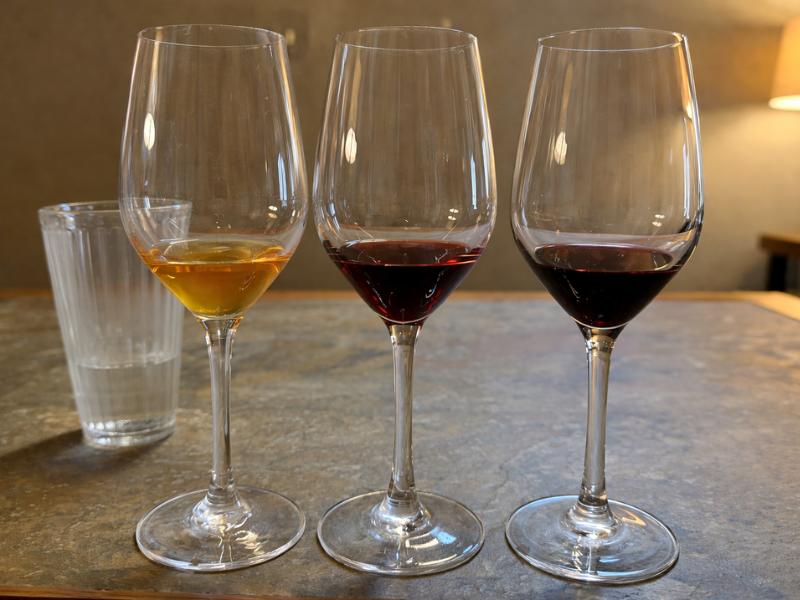
The cellar tastings across the river in Gaia work differently. Those focus on one house at a time and usually pour a flight that walks from ruby through to aged tawny, sometimes with chocolate or cheese matched to each pour. That is the format to choose if what you want is a clear grip on the styles themselves rather than a broad tour of Portuguese food.
And a Douro Valley day trip adds the third dimension. Lunch at a working quinta puts the wine next to the food of the region it comes from, cooked by people who have been matching the two for generations, which is a different kind of understanding from anything a tasting room can offer. Whichever route you take, taste first and buy second. Six wines side by side will settle which port wine brands to buy faster than any amount of reading, and every pairing decision after that gets easier because you already know what you reach for.
See how this stacks up against the rest of the Porto and Douro wine tours on offer.