Best Port Wine Brands to Buy and Bring Home
Ten houses, six price tiers, one suitcase. Here is what belongs in it, what it should cost, and how to get glass through an airport intact.
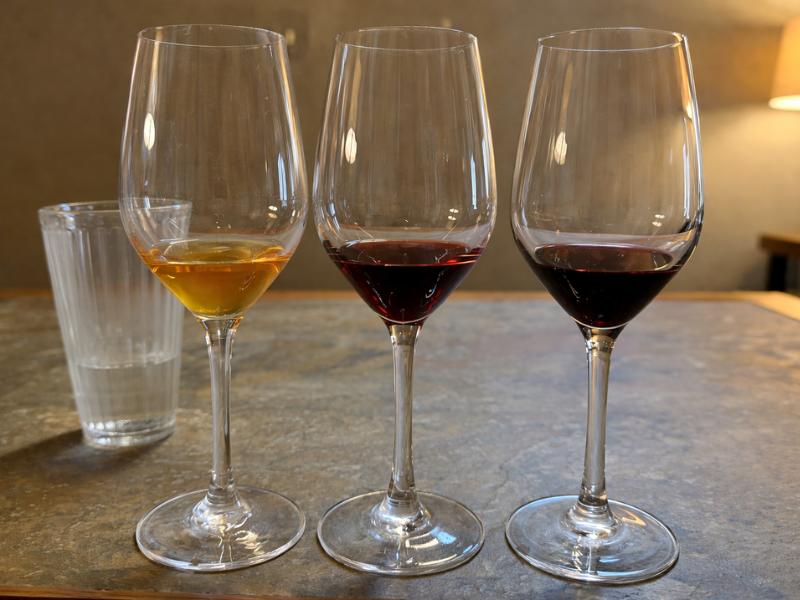
Booking Choice: Taste a house before choosing its bottle. Poças offers a three-Port guided flight, Taylor’s has an audio visit, and Graham’s adds food pairings; purchases and shipping remain separate. Explore Poças Cellar And Three Ports
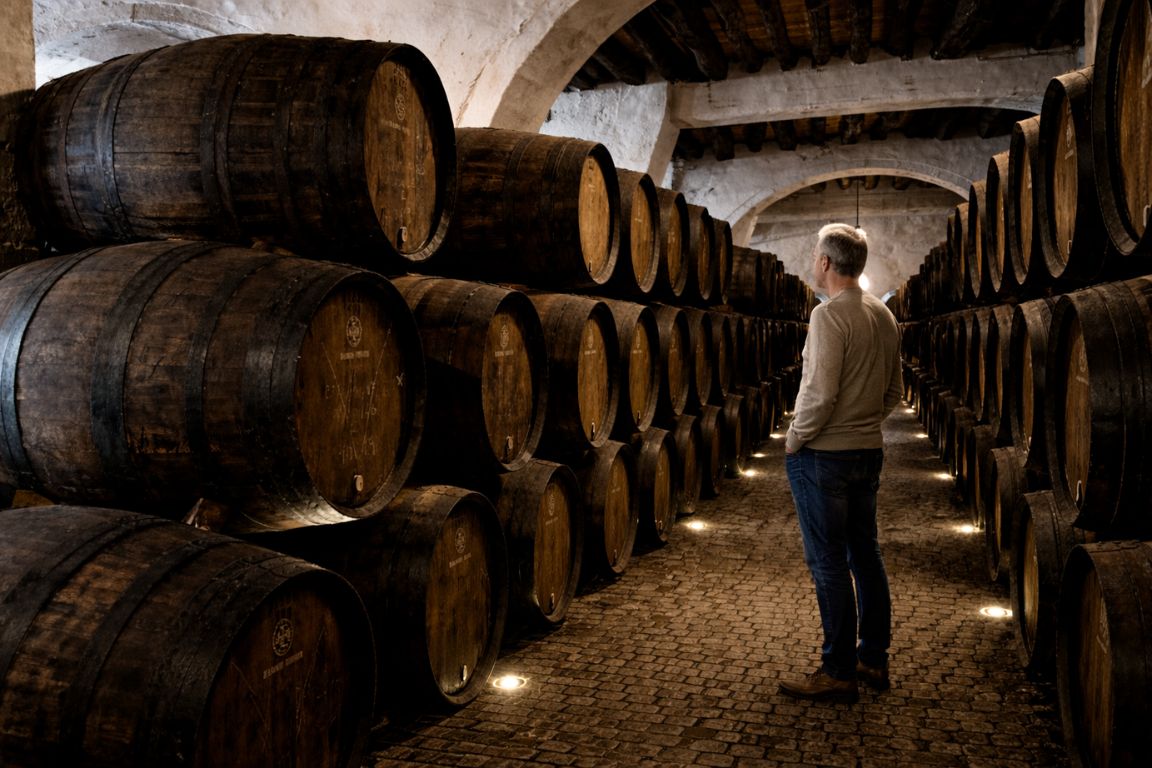
Walk into a lodge shop in Gaia and the entire Port market is laid out on three shelves. Bottom shelf: ruby and white at supermarket money. Middle: the ten and twenty year tawnies, where most holiday budgets land. Then the glass cabinet at the far end, where one bottle costs more than the flight that brought you here.
At A Glance: Choose the style and intended use before the brand. Taste when possible, then account for packing and your route’s luggage rules. Explore Poças Cellar And Three Ports
Picking between them is not a quality problem. Every house named on this page has been making Port for at least a century, several of them for three, and none of them ships bad wine. The real question is who is drinking it, what sits on the plate next to it, and whether the cork comes out next Tuesday or in 2045. One search figure shows how muddled that gets: Taylor's alone pulls roughly 18,000 searches a month by name, far more than any other house, which proves the brand is famous without telling anyone which of its dozen bottlings to carry home.
So this is our team's working shopping list. Which houses do what, what each style honestly costs on a Porto shelf, how to spot a genuine bottle, and how to get glass through an airport without a suitcase full of wet clothes.
What each style costs on a Porto shelf (750 ml)
Midpoint of the typical retail band our team sees in Porto shops and lodge stores. Bands move with the vintage, the retailer and the exchange rate, so treat this as orientation rather than a quote.
Which Port houses should you actually buy from?
Buy by house style, not by fame. Taylor's, Graham's, Fonseca and Dow's are the benchmark names for vintage and reserve bottlings. Kopke, Ramos Pinto and Poças are strongest on aged and single-harvest tawny. Niepoort and Quevedo are the two to reach for when you want something less conventional in the glass.
Every large house makes every style, so the differences are matters of emphasis rather than category. A house builds a recognisable palate over generations: how ripe it picks, how much spirit it adds, whether it favours the bottle or the barrel for ageing. Once you learn to hear that accent you stop shopping by label design.
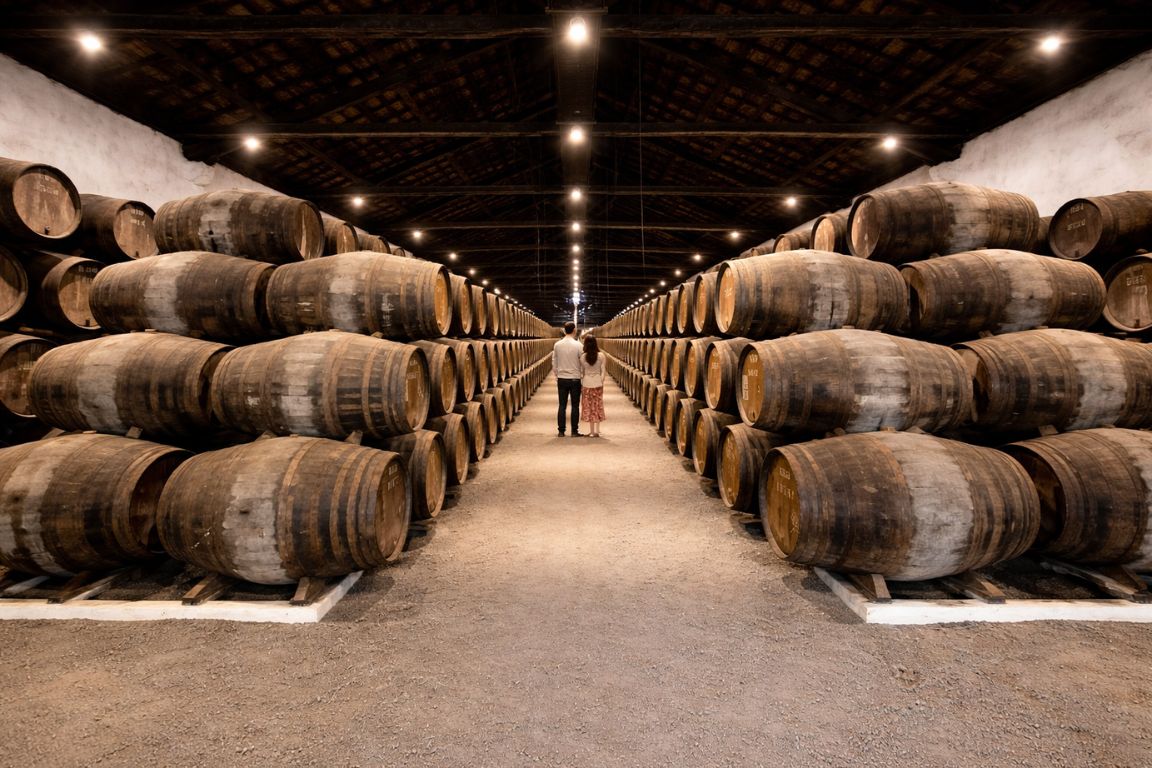
Four of the names below are historic, well documented and old enough to have outlived several empires. Kopke dates to 1638, which makes it one of the oldest Port houses of all. Taylor's traces back to the 1690s. Sandeman was founded in 1790, Graham's in 1820. The rest are younger but no less serious, and two of them, Graham's and Dow's, sit inside the same family group, Symington Family Estates.
| House | Reputation in one line | Strongest at | Who it suits |
|---|---|---|---|
| Taylor's | The benchmark name, and the one everyone searches first | Vintage, LBV, aged tawny | First-time buyers who want a safe, famous bottle |
| Graham's | Richer, sweeter house style with a big following | Vintage, six grapes reserve, aged tawny | Anyone who likes their Port generous rather than austere |
| Dow's | Known for a noticeably drier finish | Vintage, dry-styled reserve | Dry red drinkers who think they dislike Port |
| Fonseca | Full, floral, sits in the same group as Taylor's | Vintage, LBV | Cheese boards and long dinners |
| Sandeman | The silhouetted Don is one of wine's oldest trademarks | Tawny, everyday ruby | Recognisable gifting |
| Kopke | Founded 1638, built its name on barrel-aged tawny | Colheita and aged tawny | Birth-year gifts and slow sipping |
| Ramos Pinto | Historic Douro estates, famous early advertising art | Tawny, quinta bottlings | Buyers who want a story with the bottle |
| Niepoort | Family firm with a modern, less conventional streak | Tawny, dry white, Douro table wine | Drinkers who already know the classics |
| Quevedo | Small family producer, direct and approachable | Ruby, tawny, white | Value hunting without dropping quality |
| Poças | Family house, quietly consistent across the range | Tawny, LBV | Everyday bottles that punch above the price |
None of that is a ranking. Blind tastings of aged tawny routinely scramble the order people expect, and a twenty year old bottle from a small family house will often outclass a famous ten year old for the same money. Fame buys reliability. It does not buy the last ten percent of quality.
Why does everyone search for Taylor's first?
Taylor's is the most-searched Port name on the internet, at roughly 18,000 queries a month, because it has spent three centuries at the top of the vintage market and runs one of the most visited lodges in Gaia. The wine is genuinely excellent. The brand recognition is simply older and louder than everyone else's.
The house goes back to the 1690s and has stayed in family hands throughout, which in a trade full of takeovers is unusual enough to be part of the marketing. Its vintage declarations are treated as reference points by collectors, and its Late Bottled Vintage did more than any single product to make Port accessible to people who were never going to buy a case and wait twenty years.
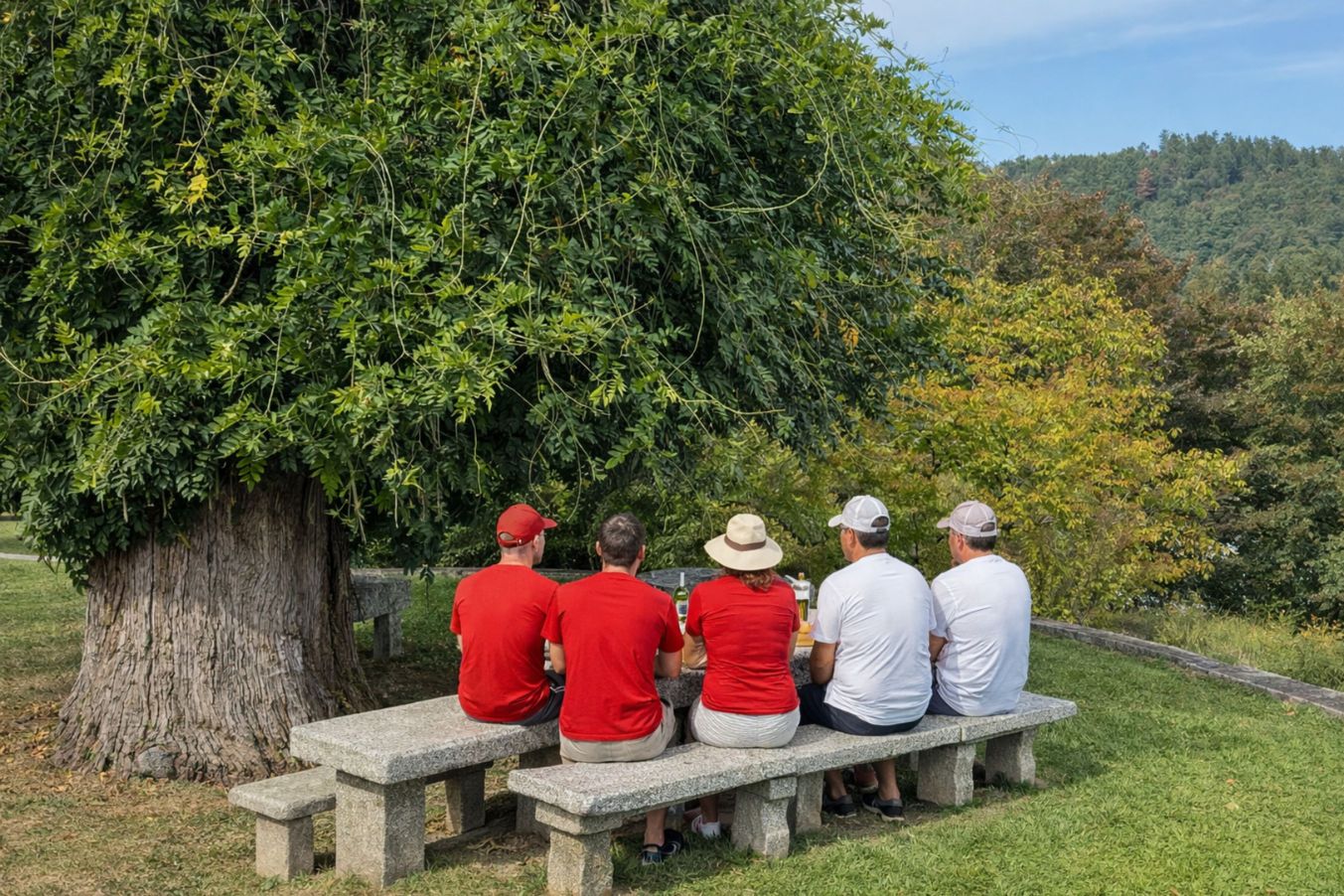
What that means practically: if you want a bottle that will be recognised at a dinner table anywhere from Ohio to Osaka, this is it. If you want the most interesting liquid per euro, look one shelf along. The famous names carry a brand premium of a few euros at every tier, which matters little on an eighty euro bottle and matters a lot on a fifteen euro one.
| House | House style in a sentence | Sweetness lean | Easiest bottle to start with | Where you meet it in Porto |
|---|---|---|---|---|
| Taylor's | Structured, firm, built for long ageing | Middle | Late Bottled Vintage | Its own Gaia lodge, on most cellar-tour routes |
| Graham's | Ripe and generous, plush on the finish | Sweeter | Six Grapes reserve ruby | Its own Gaia lodge, high on the hill |
| Sandeman | Approachable, consistent, easy to place | Middle | 10-year tawny | Its own riverside Gaia lodge |
| Dow's | Drier finish, more grip, less obvious sugar | Drier | A dry-styled reserve or the 20-year tawny | Usually poured at group tastings and wine bars rather than a lodge of its own |
Are Graham's, Sandeman and Dow's good bottles?
Yes, all three. Each is a long-established house with international distribution and a consistent record, so the honest answer is not which is better but which house style suits you: Graham's runs richer and sweeter, Dow's finishes drier with more grip, and Sandeman sits between them as the most approachable of the three.
This is the question our research keeps surfacing, phrased half a dozen different ways, and the reason it keeps coming up is that people are trying to use brand names as a proxy for quality when they should be using them as a proxy for taste. At any given price tier, these houses are peers. Where they separate is on the palate.
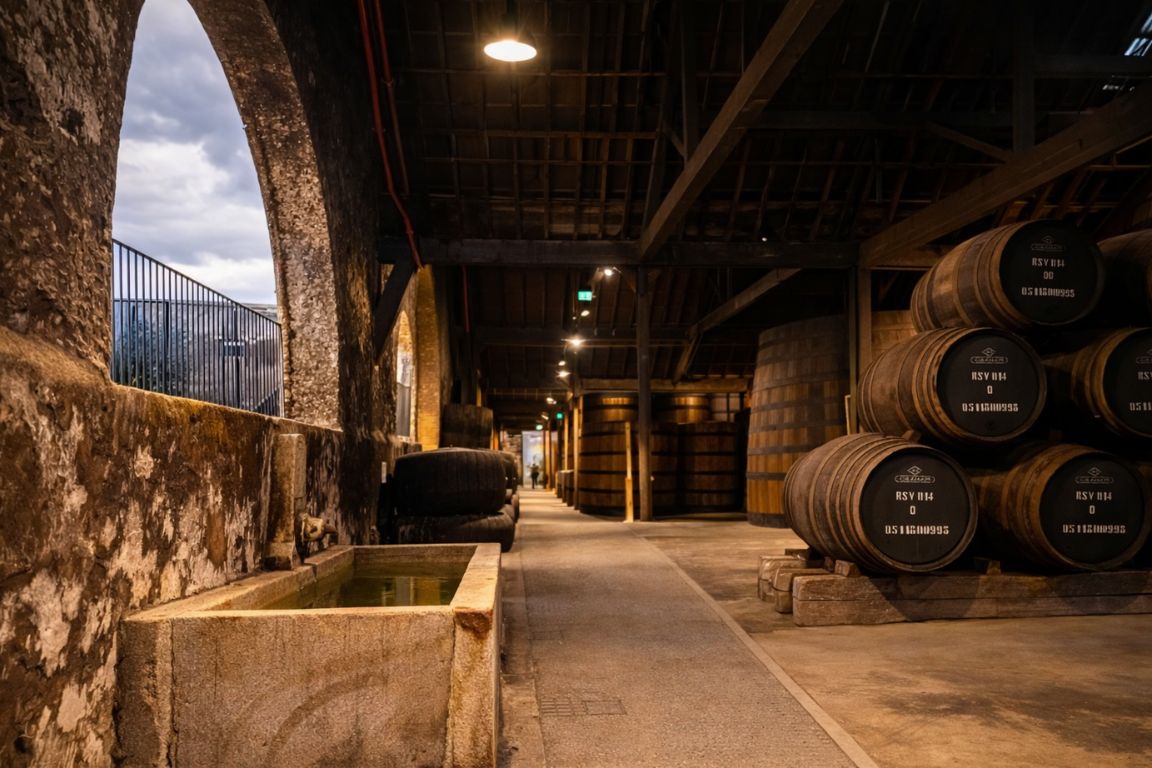
Graham's leans ripe. Its reserve ruby is one of the easiest ways to understand what a young Port is meant to taste like: dark fruit, a little spice, sweetness that carries. If you are pouring for people who normally drink dessert wine or who want something obviously luxurious, that lean works in your favour.
Dow's is the opposite instinct. The house has built its reputation on a drier finish, which sounds like a small distinction until you taste the two side by side and realise the Dow's stops cleanly where the Graham's keeps going. Serve Dow's to somebody who claims not to like Port. Roughly half of those people turn out to dislike sugar, not fortification.
Sandeman is the safe middle, and its silhouetted Don has been on labels long enough to be one of the older trademarks in wine. It also has a riverside lodge in Gaia that most cellar tours pass, which is why a lot of visitors taste it before they buy it. Tasting first is by far the better order of operations, and the small-group cellar tours that pour six or seven wines in a couple of hours are the cheapest way to compare four houses before spending anything.
Which smaller houses deserve a suitcase slot?
Kopke, Ramos Pinto, Niepoort, Quevedo and Poças. These houses are widely available in Portugal and thinly distributed abroad, which flips the usual logic: the famous bottles will be waiting at home, so the suitcase should carry the ones that will not.
This is the single most useful rule in this guide. Luggage space is finite and expensive. Spend it on wine you cannot reorder.
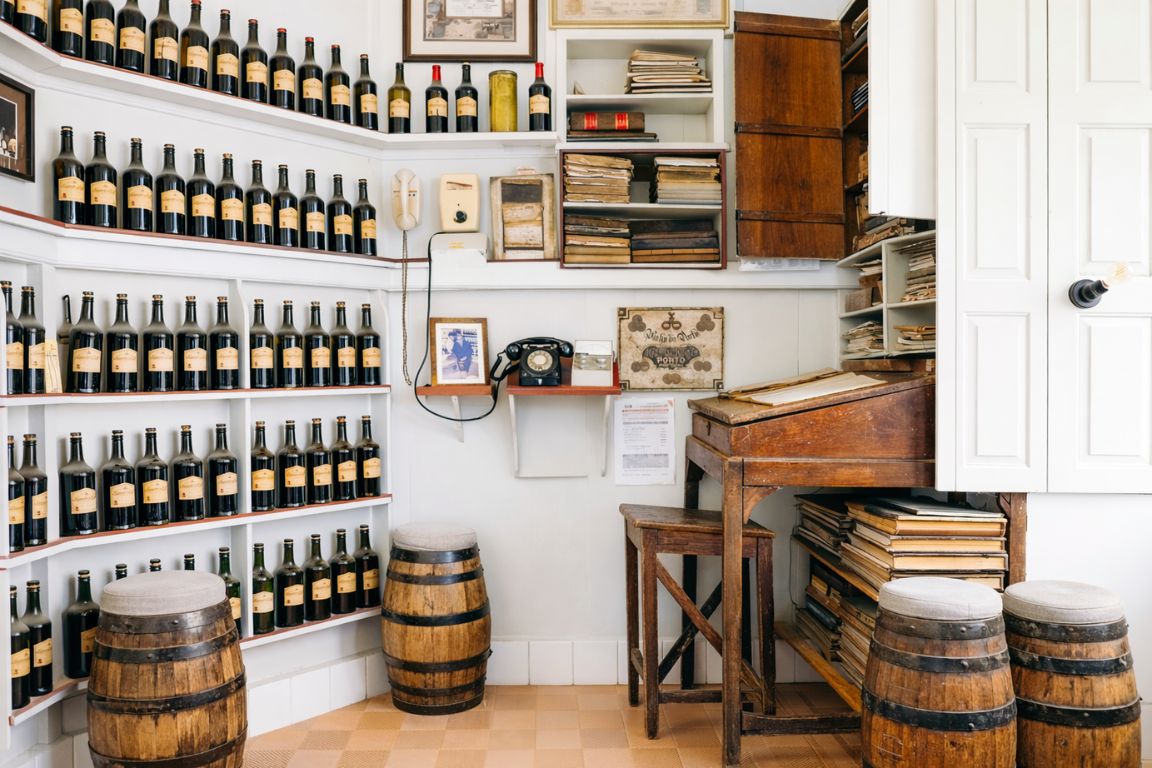
Kopke is the obvious first pick. Founded in 1638, it is among the oldest Port houses in existence and its name is bound up with colheita, the single-harvest tawny that carries a specific year on the label and spends decades in barrel rather than bottle. A colheita from someone's birth year is the best gift in the entire category, and outside Portugal the selection thins out fast.
Ramos Pinto built its identity on Douro estates and on a body of early advertising art that is genuinely worth looking at, some of which survives in its riverside premises. Niepoort is the family firm that most consistently gets described as the unconventional one, partly because of its Douro table wines, partly because its dry white Port is a serious wine rather than an afterthought. Quevedo and Poças are both family producers whose bottles tend to cost less than their quality suggests, which is exactly what you want from a purchase nobody at home will be able to price-check.
Ferreira belongs on this list too. It is one of the historic Portuguese-owned houses, tied to Dona Antónia Adelaide Ferreira, a figure who looms large in nineteenth-century Douro history and whose estates shaped a good part of the modern region.
| House | Known for | The bottle to try first | Availability outside Portugal |
|---|---|---|---|
| Kopke | Colheita and long barrel ageing since 1638 | A colheita from a year that means something | Patchy, and the older years rarely travel |
| Ramos Pinto | Douro estates and historic poster art | Aged tawny | Some markets only |
| Niepoort | Modern outlook, strong dry white | Dry white Port, or a tawny | Specialist merchants |
| Quevedo | Small family producer, direct-to-drinker style | Ruby or the entry tawny | Limited |
| Poças | Consistency across the whole range | LBV or 10-year tawny | Limited |
| Ferreira | Historic Portuguese house with deep Douro roots | Aged tawny | Better in Iberia than elsewhere |
What does each style honestly cost in Porto?
Ruby and white start around 8 to 14 euros, LBV lands near 15 to 28, a ten year tawny sits about 18 to 30, and a twenty year jumps to roughly 45 to 75. Recent declared vintages usually open around 60 and climb steeply. The jump is barrel time and warehouse space, not marketing.
Prices below are the bands our team sees on Porto shelves and in lodge shops. The exact number moves with the retailer, the year and the exchange rate, so use them to calibrate expectations rather than to argue with a shopkeeper.
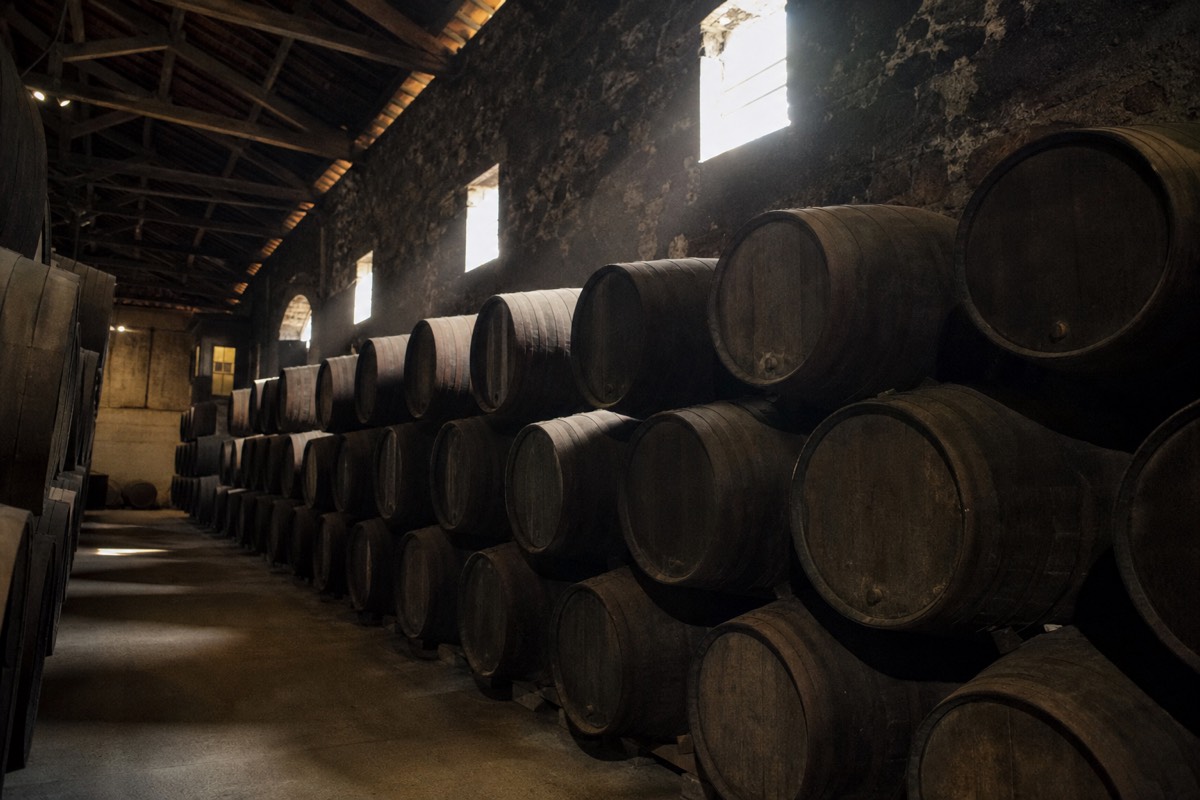
The important thing to understand is why the ladder is shaped the way it is. Ruby ages briefly in large vats or tanks, which keeps the fruit bright and the capital cost low. Tawny goes into smaller oak barrels and stays there, oxidising slowly toward nut, caramel and dried fruit while the colour fades to amber. Every year in barrel is a year of rent, evaporation and money not earned. A forty year tawny is expensive because someone's grandparents paid to store it.
| Style | Typical Porto shelf price (750 ml) | What drives the price | Best use |
|---|---|---|---|
| White Port | About 8 to 15 EUR | Short ageing, high volume | Porto Tonico on a hot afternoon |
| Ruby | About 8 to 14 EUR | Vat ageing, quick turnover | Everyday pouring, cooking, chocolate |
| Reserve Ruby | About 12 to 20 EUR | Better lots, slightly longer ageing | The house-style bottle to learn a producer |
| LBV | About 15 to 28 EUR | Four to six years in wood before bottling | Vintage character without vintage money |
| 10-Year Tawny | About 18 to 30 EUR | A decade of barrel rent and evaporation | The best all-round bottle to take home |
| 20-Year Tawny | About 45 to 75 EUR | Twice the barrel time, far less liquid left | Gifts, and the bottle that converts sceptics |
| 30 and 40-Year Tawny | Roughly 90 EUR upward, often far higher | Decades of storage and losses | Occasions, small pours, long evenings |
| Colheita | Wide, from about 35 EUR to several hundred | The specific harvest year on the label | Birth-year and anniversary gifts |
| Vintage (recent declared) | Usually 60 EUR and up | Only the best years, bottled young | Laying down, or decanting for a big dinner |
The ladder above assumes you already know the main styles of port and how they differ, which is the one piece of homework worth doing before you spend anything.
Two practical notes. First, half bottles exist across most of the ladder and are the sensible format for anything you plan to open alone, since a 375 ml bottle of twenty year tawny is a far smaller commitment than a full one. Second, the aged tawnies are where the value sits for travellers. A twenty year bottle is the sweet spot of complexity, keeping power and gift credibility, and it costs less than a mid-range vintage that will not be ready to drink for a decade.
How do you tell a genuine bottle of Port from a lookalike?
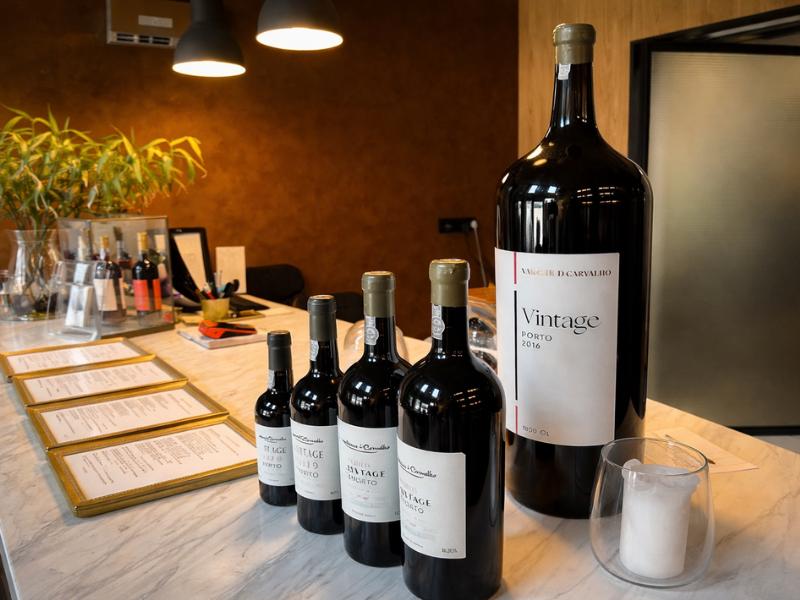
Look for the IVDP guarantee seal across the neck of the bottle. The Instituto dos Vinhos do Douro e do Porto certifies every genuine Port, and only wine grown in the demarcated Douro region and made under its rules may legally be sold as Port. No seal, no Port, whatever the label says.
The seal is a small numbered strip that runs over the capsule and is broken when the bottle is opened. It is the visible end of a control system that tracks fortified wine from the vineyard through the ageing warehouse to the shelf, and it is the reason the category has kept its meaning while so many wine names have been diluted into generic terms elsewhere.
The geography behind it is not decorative either. The Alto Douro Wine Region was inscribed by UNESCO as a World Heritage Site in 2001, listing number 1046, on the strength of two thousand years of terraced viticulture that reshaped an entire river valley. Those terraces are the reason Port tastes the way it does: schist soils, brutal summer heat, and slopes too steep for machinery.
Three more label checks worth thirty seconds in a shop:
- Age statements are averages, not minimums. A twenty year tawny is a blend built to a house's twenty year profile, not a wine bottled on its twentieth birthday.
- A year on the label means one of two things. On a vintage, it is the single harvest, bottled after about two years in wood and then aged in glass for decades. On a colheita, it is also a single harvest, but the wine stayed in barrel and is ready to drink on release.
- Bottling date matters on tawny. Aged tawny is at its best soon after bottling because it has already done its oxidative ageing in wood. A dusty bottle that has sat upright in a hot shop window for five years is not a bargain.
How do you pack wine so it survives checked luggage?
Bottles go in the middle of a soft case, never against the wheels or the outer wall, each one sleeved in a padded wine skin or wrapped in three layers of clothing, and packed so nothing can shift. A full 750 ml bottle weighs roughly 1.2 kg, so six bottles eat about 7 to 8 kg of a typical 23 kg allowance.
Weight is the constraint people forget. Do the arithmetic before the shopping, not at the check-in desk. Half a dozen bottles plus the case itself will put most travellers close enough to the limit that a couple of pairs of shoes become the deciding factor.
Beyond that, the mechanics are simple. Glass breaks from impact and from movement. Padding handles the first, packing density handles the second. A bottle that cannot move cannot build momentum, so fill every void: shoes, socks, the gaps at the ends of the case. And do it upright if you can, because most ruby, tawny and white Port is closed with a stoppered T-cork designed to be stored standing rather than lying down.
| Method | Bottles it handles | Cost | Risk of loss | Best for |
|---|---|---|---|---|
| Padded wine skin in checked bag | 1 to 6 | A few euros each, reusable | Low, and leaks are contained | Almost everyone |
| Clothes wrapping, no sleeve | 1 to 3 | Free | Moderate, and a break soaks the case | A last-minute single bottle |
| Rigid wine shipping box as second bag | 6 to 12 | Extra bag fee, plus the box | Very low | Serious buying trips |
| Shop arranges shipping | Any | Highest, plus possible import duty at home | Very low, and insured | Expensive or fragile old bottles |
| Airside duty-free, hand carried | 1 to 4 | No packing cost | Low, unless a connection reopens the bag | Direct flights only |
One more detail that catches people out: old vintage bottles have been resting on their sides for years and their sediment has settled into a stable layer. Fly them home and that layer is redistributed through the wine. It is not ruined, but it needs a week or two standing upright in a cool dark place before decanting, and longer is better. Buy the young stuff for the flight and let the merchant ship anything genuinely old.
What are the airport rules for carrying wine home?
Wine cannot go through security in your cabin bag, since the 100 ml liquid limit applies. It can go in checked luggage, and because Port sits around 19 to 22 percent alcohol it falls under the 24 percent threshold that triggers airline quantity limits. Duty-free bought airside travels sealed, so check any connection before you buy.
Three routes home, three different rule sets, and mixing them up is how bottles get confiscated at a transfer desk.
| Route home | Quantity limit | Breakage risk | Watch out for |
|---|---|---|---|
| Cabin bag through security | 100 ml containers only, so no wine bottles | None | There is no workaround. Do not try. |
| Bought airside, hand carried | Whatever the shop sells you | Low | Sealed tamper-evident bags can be rejected if you re-clear security at a connecting airport |
| Checked baggage | Under 24 percent ABV, so the airline dangerous-goods quantity cap does not apply | Real, so pack properly | Weight allowance, and confirm your airline's own policy |
| Shipped by the shop | Any | Very low | Import duty and taxes on arrival, plus a wait |
Customs allowances are a separate matter and they vary by the country you are flying into, not the one you are leaving. Some destinations are generous with wine, others are not, and the numbers change. Check your destination's current duty-free wine allowance before you fill a case, and if you go over it, declare the excess. Duty on a few extra bottles is usually modest. The penalty for hiding them is not.
Where should you buy: lodge, wine shop or supermarket?
Supermarkets win on everyday ruby, LBV and ten year tawny, often at prices that surprise visitors. Lodge shops carry the full house range including bottlings that never leave Portugal. Independent wine shops are where the small producers hide. The airport is convenient and rarely the cheapest.
Portuguese supermarkets stock a genuinely serious Port aisle, because Port is a domestic product here rather than an import. That is where you find the ten year tawnies from good houses at prices well below what the same bottle costs in London or Chicago. If your shopping list is three or four everyday bottles, this is the efficient answer and nobody will judge you for it.
The lodge shops are a different proposition. They carry limited bottlings, older colheitas, half bottles, and occasionally single-quinta wines that exist in tiny quantities. You pay full retail. What you get is access. If you have just tasted something across the counter and loved it, buying it on the spot is often the only chance you will ever get.
There is a fourth option most visitors overlook. A Douro Valley day trip usually stops at one or two working quintas, and estates sell their own wine at the cellar door, including bottlings that never reach a shop in Porto at all. Buy at the source and you are carrying something genuinely unrepeatable.
| Where | Price | Range | Advice | Best for |
|---|---|---|---|---|
| Supermarket | Lowest | Mainstream houses, entry to mid tiers | None | Everyday ruby, LBV, 10-year tawny |
| Lodge shop in Gaia | Full retail | One house, in depth | Excellent, from people who pour it daily | Rare bottlings and older colheitas |
| Independent wine shop | Middle | Broadest, including small producers | Usually very good | Discovering houses you have never heard of |
| Airport | Higher than town | Mainstream and gift packs | Minimal | The bottle you forgot to buy |
| Shipped home from the shop | Highest all in | Whatever the shop stocks | Good | Fragile, old, or heavy orders |
A note on tasting before buying. Almost every cellar visit in Gaia ends in a shop, and the guided tours that string three houses together in an afternoon are the fastest possible education in house style. Seven small pours across three cellars will teach you more about what you like than a week of reading, and it costs less than the bottle you would otherwise have bought by mistake.
Which bottle should you buy for which person?
Match the style to the drinker, not the price to the occasion. Whisky drinkers want aged tawny. Chocolate lovers want LBV or reserve ruby. People who say they dislike sweet wine want a dry white or a drier house style. Milestone birthdays want a colheita from the right year.
This is the table our team actually uses when someone asks what to buy on the way to the airport.
| Buying for | Style | Roughly | Why it works |
|---|---|---|---|
| A whisky or brandy drinker | 20-year tawny | 45 to 75 EUR | Nut, caramel and dried fruit land in familiar territory |
| Someone who insists they hate sweet wine | Dry white Port, or a drier house style | 10 to 20 EUR | Fortification without the sugar they are objecting to |
| A chocolate obsessive | LBV or reserve ruby | 12 to 28 EUR | Dark berry fruit against cocoa bitterness |
| A milestone birthday | Colheita from that year | Varies with the year | The harvest year is printed on the label |
| Someone who hosts cheese boards | Vintage, or a good LBV | 25 to 130 EUR | The classic blue cheese partner |
| A cook | Everyday ruby, two bottles | 16 to 28 EUR | One to drink, one to reduce into a sauce |
| Yourself, to open this month | 10-year tawny | 18 to 30 EUR | Ready now, and it keeps for weeks after opening |
| A wedding or a new baby | Vintage from that year, laid down | 60 EUR and up | Built to be opened decades later |
| A colleague or a host gift | Reserve ruby or entry tawny in a gift box | 15 to 30 EUR | Looks generous, survives a coat cupboard |
Two of those rows depend on the recipient knowing what to do next. Nobody needs much help pairing port with cheese, but the serving temperature for port defeats a surprising number of people, and a twenty year tawny poured warm from a sideboard is a wasted gift. A note tucked in the box costs nothing.
One closing thought about vintage Port, because it trips up more buyers than any other style. Vintage is bottled young, after roughly two years in wood, and then does the rest of its ageing in glass. That means it throws heavy sediment and it needs decanting, and it also means a recently released bottle is nowhere near ready. Buying a young vintage is buying a promise. If the person you are giving it to wants something to drink this weekend, buy tawny and put the vintage on your own shelf instead.
The full range of Porto wine tours is worth a look before booking any single one.